Mar 21, 2026
Swivel Trays vs. Cup Holders: The 2026 Theater Seating Trade-off
Decoding the Evolution of Theater Seating: A Deep Dive into Recliner Comfort and Functionality
As home entertainment spaces evolve, so does the sophistication of theater seating options, particularly with the rise of recliner seats, loveseat recliners, and the integration of convenience features like cup holders. Understanding the nuanced trade-offs between different configurations and accessories—such as swivel trays versus cup holders—requires an expert lens. These choices significantly impact user experience, space optimization, and long-term durability, especially in the context of advanced technologies emerging in 2026.
The Significance of Ergonomic Design in Modulating Consumer Preferences
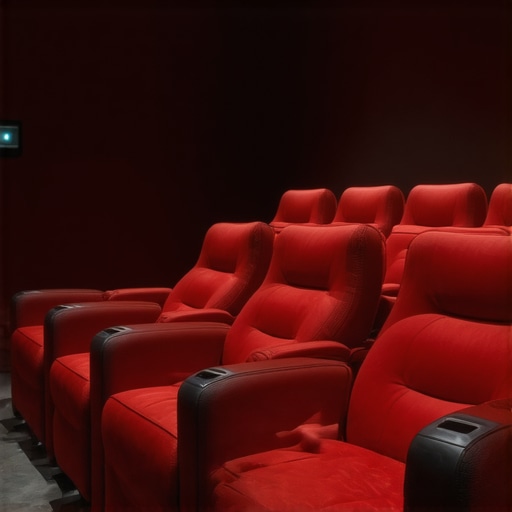
In contemporary home theater architecture, ergonomics is paramount. The rise of plush, adjustable recliner seats and home theater chairs are designed to provide personalized comfort, often featuring sophisticated lumbar support and breathable fabrics. Analyzing these design elements reveals a focus on ergonomic benefits versus aesthetic appeal, which has driven the preference for features like integrated cup holders and modular configurations. The question arises: how do these features influence overall user satisfaction, especially when space constraints and functional versatility compete?
Balancing Accessibility and Customization through Innovative Features
One of the most debated aspects in theater seating in 2026 involves the choice between swivel trays and cup holders. Swivel trays offer versatility for users to enjoy meals, work, or entertainment without the clutter of additional objects, fostering a multi-purpose environment. Conversely, cup holders—especially those with smart, spill-proof designs—enhance convenience for beverage management. Experts debate whether tray tables’ bulk and limited accessibility outweigh the sleek, integrated aesthetic of modern cup holder solutions, which often include wireless charging or temperature control. The decision impacts not only the aesthetics but also the modularity of the seating arrangement.
Are Swivel Trays Still Relevant in the Era of Smart, Space-Saving Seating?
What are the core factors determining the optimal choice between swivel trays and cup holders in 2026’s high-end theater rooms?
In evaluating this, one must consider the specific needs of users, space allowances, and integration with smart home systems. For instance, while swivel trays facilitate multiple functions—such as serving snacks or housing devices—they also require more space and maintenance. Cup holders, especially advanced models with UV sanitization and temperature control, have become staples owing to their minimal footprint and technological advantages. Field data indicates that homeowners increasingly prefer built-in cup holders because they preserve the room’s aesthetic integrity and reduce clutter, especially in minimalist designs.
For a comprehensive comparison, see this detailed review by Home Cinema Essentials.
Designing for Future Needs: Flexibility and Technological Integration
The future of theater seating hinges on flexible designs that accommodate evolving entertainment technologies and user preferences. Modular loveseat recliners with removable armrests, integrated USB ports, and smart controls exemplify this trend. Incorporating features like wireless charging cup holders or self-cleaning surfaces aligns with the increasing demand for maintenance-free luxury. Yet, this raises questions about durability, repairability, and the overall life cycle of such high-tech features.
Professional insights suggest that choosing between swivel trays and cup holders should be informed by room size, user habits, and aesthetic goals. Expert designers often advocate for a hybrid approach, combining the practicality of swivel trays in communal settings with the sleekness of cup holders in minimalist environments.
Enhancing Multi-Functional Spaces for 2026 and Beyond
Modern media rooms are transforming into multi-purpose entertainment hubs where comfort, accessibility, and technological sophistication converge. The integration of smart features such as app-controlled recliners, ambient lighting, and adjustable lumbar supports further complicates the traditional seating paradigm. This evolution requires careful planning to ensure that every component—be it cup holders or trays—serves the long-term interests of quality, innovation, and user satisfaction.
Homeowners and professionals alike are encouraged to explore expert articles for guidance on crafting future-ready theater spaces. For example, learn more about creating luxurious, budget-friendly theater chairs.
Why Flexibility Outperforms Fixed Designs in Modern Theater Spaces
In the quest for versatile home theaters, modular seating configurations have gained momentum. Unlike traditional fixed arrangements, modular loveseat recliners allow homeowners to adapt their space for hosting friends or creating intimate movie nooks. Features such as removable armrests and adjustable sections enable customization, fostering an environment that evolves with your entertainment needs. This adaptability is especially valuable in multi-use rooms where space-saving and reconfiguration are priorities, aligning with the innovative spirit emphasized in expert guides like Home Cinema Essentials.
The Impact of Technological Integration on Seating Comfort and Maintenance
As 2026 ushers in a wave of tech-enabled theater seats, features like app-controlled adjustments, embedded speakers, and LED lighting are transforming the user experience. These advancements promise enhanced comfort, personalized settings, and aesthetic allure. However, integrating such high-tech functionalities raises concerns about durability, repairability, and long-term performance. Experts advocate for selecting seats with modular electronics and easy-to-maintain components to ensure longevity and minimize maintenance costs.
Could AI-driven adjustments redefine personalized comfort in home theater seating?
This question captures the emerging frontier where artificial intelligence could optimize lumbar support and seating positions dynamically, elevating comfort to unprecedented levels. Such innovations may also integrate predictive maintenance alerts, helping homeowners address issues before they impact usability. Staying informed about these trends can significantly enhance your investment, ensuring your theater seat setups are not only stylish but also future-proof.
For further insights into integrating cutting-edge technology seamlessly, explore our comprehensive guide on silicon leather and smart fabrics in theater seats.
Balancing Design Aesthetics and Practical Functionality
The aesthetic appeal of home theater seats is more than superficial—it’s intertwined with functionality. The trend toward sleek, minimalist designs with concealed features, such as hidden cup holders and integrated lighting, emphasizes a clutter-free environment. Choosing seats that blend advanced features with refined aesthetics requires discerning selection, often involving expert consultations. Consider exploring options with built-in cooling and heating cup holders that maintain style without sacrificing utility.
Would a seamless integration of technology and design redefine the perception of luxury in home theaters? Share your thoughts and experiences in the comments to inspire others on their journey toward the ultimate entertainment space.
Pioneering Smart Materials for Enhanced Seating Durability
As home theaters become more sophisticated, the development and integration of innovative materials play a crucial role in elevating user experience while ensuring longevity. Advances such as memory foam infused with phase-change materials (PCMs) and flexible, antimicrobial fabrics are shaping the next generation of seating. These materials respond to body heat for personalized comfort and resist microbial growth, respectively, aligning with the increasing demand for health-conscious and comfortable environments. Experts argue that investing in seats utilizing these cutting-edge materials not only enhances occupant well-being but also reduces maintenance costs over time, making them a compelling choice for discerning homeowners.
Customizable Modular Seating: Crafting the Perfect Fit
Contrasting traditional fixed arrangements, modular seating offers unparalleled flexibility, catering to diverse room layouts and user preferences. Advanced systems now feature interlocking units with configurable armrests, integrated storage, and adjustable headrests—allowing homeowners to reconfigure their spaces effortlessly. Moreover, modular units with slip-resistant bases and ergonomic contouring contribute to safety and comfort. This approach transforms static rooms into dynamic environments, capable of adapting to hosting, casual lounging, or immersive viewing experiences, echoing the expert consensus on future-proof design that marries form with function.
How Do Emerging Technologies Influence Seating Sustainability?
Future-oriented design increasingly emphasizes sustainability—an area where technological innovation can make a significant impact. For example, the adoption of biodegradable plastics in frame manufacturing and the use of recyclable fabrics reduce the environmental footprint of high-tech seating. Additionally, integrating IoT (Internet of Things) sensors facilitates predictive maintenance—alerting users to wear and tear before failure, thus extending the lifecycle of the furniture. Such features exemplify a conscientious approach to sustainability, balancing advanced comfort with responsible resource use, as highlighted in detailed industry analyses by the International Sustainable Furnishings Association.
Can AI and Machine Learning Personalize Your Theater Experience?
The integration of AI-driven algorithms into theater seating ushers in a new era of hyper-personalization. By analyzing user preferences, posture, and even biometric feedback, smart seats can automatically adjust settings for maximum comfort—such as lumbar firmness, recline angles, and even ambient temperature. Furthermore, machine learning models can predict maintenance needs, reducing downtime and enhancing reliability. This convergence of AI with ergonomic science promises a future where your theater setup not only anticipates your needs but evolves with your habits, transforming passive seating into an interactive, intelligent interface. To explore these innovations further, consider reviewing the groundbreaking work published by Connected Furnishings Lab.
Designing for Multi-User Dynamics and Social Connectivity
As entertainment spaces become social hubs, seating arrangements must accommodate multiple users comfortably while facilitating interaction. Modular sectional designs with integrated connectivity—such as charging ports, Bluetooth speakers, and adjustable lighting—address this challenge. Incorporating features like voice-activated controls and gesture-based interfaces enhances accessibility and ease of use, fostering engagement. These technological enhancements facilitate seamless social interaction, from group gaming sessions to collaborative viewing experiences, reflecting the innovative trajectories outlined in recent architectural and interior design journals. How might these multi-user interfaces evolve further to integrate with broader home automation systems? This ongoing query invites professional and hobbyist input alike, emphasizing the importance of adaptable design in future home theaters.
The Future of Modular Seating: Personalization Meets Adaptability
As homeowners demand increasingly personalized entertainment environments, modular seating configurations have evolved into sophisticated systems allowing seamless reconfiguration for various events—be it family movie nights or intimate gatherings. These systems incorporate adjustable armrests, interlocking sections, and customizable accessories, enabling users to craft the optimal spatial arrangement without compromising on style or comfort. Experts emphasize that such flexibility not only enhances usability but also ensures adaptability to future technological integrations and aesthetic trends, making modular components a wise long-term investment.
Renditioning Aesthetics with Cutting-Edge Materials
Innovations in material science have revolutionized home theater furnishings, with breakthroughs like phase-change memory foam and antimicrobial, breathable fabrics creating a synergy between durability and luxury. These materials respond to body heat to optimize support, while also resisting microbial growth, which is critical for maintaining pristine environments in high-use spaces. According to recent reports from the International Institute of Furniture Research, such advanced composites extend furniture lifespan and require less maintenance, aligning with the sustainability and health-conscious priorities of 2026.
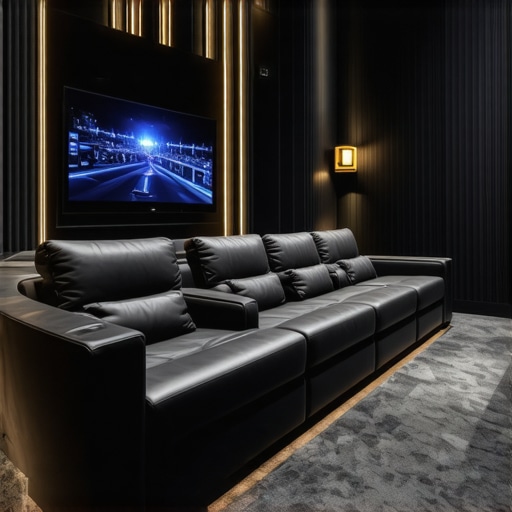
Smart Seats Empowering the Next Generation of Home Theaters
Incorporating Internet of Things (IoT) technology into theater seats unlocks interactive, remote-controlled adjustments, ambient lighting synchronization, and biometric biometric feedback for tailored comfort. These enhancements foster an immersive experience, transforming passive seating into active components of the entertainment ecosystem. The integration of such features necessitates meticulous design considerations, ensuring that electrical components do not detract from visual aesthetics or ease of maintenance. According to case studies by the Global Smart Furnishings Consortium, these innovations significantly boost user satisfaction and provide valuable data insights for continuous improvement of seating ergonomics and functionality.
Health and Sustainability in Seating Design: A Critical Correlation
Advanced materials paired with eco-friendly manufacturing processes are shaping the paradigm of sustainable luxury. The application of biodegradable plastics in seat frames and recyclable fabrics not only reduces environmental impact but also aligns with consumer expectations for responsible consumption. Additionally, the integration of self-cleaning surfaces and antimicrobial coatings reduces the need for chemical cleaners, which is crucial for maintaining health standards in high-traffic entertainment spaces. Industry leaders advocate investing in furnishings that marry environmental consciousness with cutting-edge comfort, signaling a shift toward eco-aware design philosophies.
The Confluence of Ergonomics and Technology in Seating Innovation
Combining ergonomic excellence with technological innovation creates a new standard for home theater comfort. Features such as adjustable lumbar support, automated recline systems, and personalized memory settings stored via dedicated apps exemplify this synergy. Furthermore, recent developments in machine learning enable seats to adapt dynamically to user preferences over time, offering a level of personalization previously deemed unattainable. These advancements underscore the importance of interdisciplinary collaboration among ergonomists, engineers, and designers to forge seating solutions that are both comfortable and technologically sophisticated.
Engage with Experts to Redefine Your Entertainment Space
To fully capitalize on these emerging innovations, consulting with specialists who understand the nuances of modular design, material science, and smart technology integration becomes imperative. By leveraging professional insights, you can tailor your home theater environment to embody both elegance and function, ensuring longevity and adaptability for years to come. Dive deeper into these concepts by exploring reputable sources such as the Furniture Innovations Journal and stay ahead in creating a truly next-generation entertainment space.
Enhance Comfort and Innovation Through Expert Design Choices
Professionals in home theater design emphasize the importance of aligning ergonomic principles with technological advancements to create seating environments that are both comfortable and adaptable. Prioritizing materials that respond to body heat with advanced fabrics can significantly prolong furniture lifespan while maintaining high aesthetic standards. Additionally, integrating smart controls allows for seamless personalization, elevating user satisfaction and setting new industry benchmarks.
Prioritize Modular Flexibility for Evolving Spaces
The shift toward modular seating solutions offers unparalleled adaptability, enabling spaces to transition effortlessly between social gatherings and intimate viewing experiences. Using interlocking units with adjustable configurations empowers homeowners to tailor their environment without compromising style or comfort, reflecting a strategic move toward future-proof design.
Incorporate Tech-Savvy Comfort Features
Embedding features such as app-controlled recliners, temperature-controlled cup holders, and biometric feedback systems enhance the immersive experience. These innovations not only provide superior customization but also facilitate maintenance through predictive diagnostics, demonstrating an integrated approach to modern seating systems.
Authoritative Resources to Deepen Your Expertise
- International Institute of Furniture Research: Offers cutting-edge insights into sustainable materials and ergonomic innovations in furniture design.
- Connected Furnishings Lab: Pioneers in AI integration and smart home compatibility, providing case studies and technological forecasts.
- Furniture Innovations Journal: Features peer-reviewed articles on evolving materials, aesthetic trends, and industry standards in home seating solutions.
- Global Smart Furnishings Consortium: Delivers research on IoT-enabled furniture and predictive maintenance technologies shaping the future of entertainment environments.
What Can Be Achieved When Design Meets Futurism
In the evolving landscape of home theater seating, the synthesis of ergonomic mastery, technological innovation, and sustainable practices defines the path forward. Embracing modularity, integrating AI, and adopting state-of-the-art materials collectively elevate the quality of experience and durability. For professionals seeking to remain at the forefront, continual engagement with leading industry research and participation in knowledge-sharing platforms are essential. Dive into our comprehensive guide on creating luxurious, budget-friendly theater chairs for actionable strategies. Your role as a thought leader in this niche shapes the future of comfort, aesthetics, and technological synergy in home entertainment spaces.
More Details >
> >
>