Feb 11, 2026
Why Performance Fabric Is Finally Killing Leather Chairs in 2026
Transforming the Future of Home Theater Chairs through Material Science Advances
In recent years, the evolution of home theater seating has been profoundly influenced by breakthroughs in material technology. The shift from traditional leather to *performance fabrics* signifies a decisive move towards durability, maintenance ease, and enhanced comfort, especially relevant in the context of 2026’s consumer expectations. Notably, these fabrics outperform leather in resisting wear and tear, vital for high-usage environments like dedicated media rooms.
Why Fabric Outperforms Leather in the Long-Term Durability Race
Expert analyses underscore that contemporary performance fabrics, engineered with nano-coatings and advanced weave patterns, resist stains, fading, and cracking more effectively than leather counterparts. This resilience is crucial for recliner seats that are subject to frequent use, spills, and temperature fluctuations. Additionally, these fabrics typically require less intensive maintenance, aligning with the modern homeowner’s preference for low-effort upkeep, which in turn sustains the aesthetic appeal over extended periods.
Enhancing User Experience with Integrated Cup Holders and Tech Innovations
The significance of thoughtfully designed cup holders in home theater chairs cannot be overstated. Modern cup holders leverage LED lighting and cooling technology to prevent spills and enhance accessibility. The integration of smart features, such as Bluetooth connectivity for controlling multimedia devices directly from the seat, exemplifies the convergence of comfort and technology—pioneering a new standard in entertainment furniture.
How Thematic Seating Configurations Shape Room Dynamics in 2026
Informed by ergonomic principles and aesthetic considerations, the preference shifts towards loveseat recliners that optimize space utilization without compromising comfort. The combination of modular design with integrated cup holders facilitates versatile configurations, whether for intimate movie nights or larger gatherings. This modular approach, supported by expert guidelines like the ultimate guide to comfortable theater seating, reflects an industry move towards personalized immersive experiences within domestic settings.
Are Leather Chairs Truly Obsolete in 2026 or Just Evolving?
What are the key considerations when transitioning from leather to high-performance fabric for media room seating, especially regarding longevity and aesthetic appeal?
Field reports indicate that while leather maintains a premium look, its susceptibility to scratches, cracking, and maintenance demands makes performance fabrics a compelling alternative. Consulting industry white papers reveals that fabrics with advanced treatment technologies can match or exceed leather’s longevity while offering superior stain resistance and flexibility in design options. This transition underscores a broader industry trend favoring adaptable, resilient materials.
If you are aiming to elevate your home theater’s comfort and style, consider exploring loveseats with integrated cup holders that combine innovative fabric options with modern ergonomic design. Share your insights or experiences with material upgrades to contribute to the collective knowledge of industry practitioners.
Tech-Infused Comfort: Elevating Your Home Theater Experience
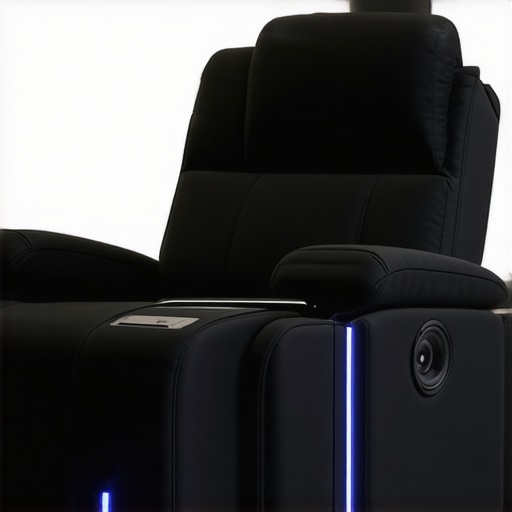
As home theater designs become more sophisticated, integrating technological features into seating arrangements is no longer optional but essential. The latest innovations include built-in Bluetooth speakers, USB charging ports, and adjustable lumbar support with smart sensors that adapt to your posture. These advancements are transforming traditional recliner seats and loveseats into personalized entertainment hubs, offering unparalleled comfort and convenience for discerning homeowners.
What do smart seating solutions mean for future customization and accessibility?
Smart seating systems are paving the way for highly customizable media environments. For example, adjustable seating with app-controlled settings allows users to tailor their experience, from recline angles to ambient lighting. Additionally, accessible designs equipped with voice control and gentle motion controls democratize home theaters for users with limited mobility, exemplifying inclusive innovation in the industry. Industry insights, such as those from *Home Theater Magazine* (2023), highlight how these integrations enhance user engagement and satisfaction, setting new standards for comfort and ease of use.
< >
>
Why might traditional theater seating eventually give way to fully automated, tech-savvy solutions?
Experts argue that the future of home theater furniture lies in seamless automation. Imagine seats that automatically adjust for optimal comfort based on biometric feedback or environmental conditions, reducing the need for manual adjustments. This shift not only elevates user experience but also introduces new challenges in maintenance and system integration. To stay ahead, consumers and designers should consider features like durable, high-tech materials, quick troubleshooting guides, and energy-efficient power systems, such as those discussed in power recliner battery solutions for 2026.
For those interested in blending comfort with cutting-edge innovation, exploring loveseats with integrated tech features can serve as an inspiring starting point. Share your thoughts on incorporating smart technology into your home theater setup and how it might redefine your entertainment space.
,
Innovating Upholstery: The Critical Role of Advanced Nanotechnology
The development of next-generation performance fabrics incorporates nanotechnology breakthroughs that provide unprecedented resistance against environmental stressors. These textiles utilize nano-coatings that repel liquids and inhibit bacterial growth, elevating hygiene standards in entertainment spaces. Such innovations are not merely about aesthetics but translate into tangible benefits: extended lifespan of furniture, reduced cleaning frequency, and healthier indoor environments.Understanding the science behind nano-coatings reveals how molecules create a protective barrier that maintains flexibility and breathability while thwarting stains and microbial intrusion. Industry leaders like NanoTex have pioneered these applications, leading to fabrics that withstand the rigors of daily use without sacrificing visual appeal or tactile comfort.
What challenges remain in scaling nano-enabled fabrics for high-end home theater furniture?
Despite promising advancements, challenges persist concerning the longevity of nano-coatings under repeated washing cycles and exposure to UV light. Ongoing research endeavors aim to enhance the durability of these coatings while maintaining eco-friendly manufacturing standards, as detailed in recent reports by the Textile Research Journal (2022). Incorporating these textiles into custom seating solutions requires meticulous testing to ensure performance consistency over years of use. To explore these options further, consult specialized fabric suppliers specializing in high-performance materials designed for upscale home entertainment environments.
< >
>
Hybrid Material Strategies to Balance Aesthetics and Endurance
To address diverse consumer preferences, designers are experimenting with hybrid upholstery approaches that marry synthetic and natural fibers. These composites leverage the visual richness of genuine leather or velvet with the resilience and stain resistance of advanced synthetics. The fusion creates versatile textures suitable for love seats and recliners that demand both aesthetic allure and robust performance.Innovative layering techniques, such as heat-bonded or chemically adhered composites, allow for seamless integration without compromising comfort. Experts from the Institute of Furniture Design highlight that these hybrid strategies can offer customizable options that reflect individual style while ensuring practicality over decades.
How do hybrid materials influence the environmental footprint of home theater furnishings?
Recent lifecycle assessments published in the Journal of Sustainable Materials (2023) suggest that hybrid fabrics, when engineered with eco-conscious synthetics and responsibly sourced natural fibers, can significantly lower environmental impacts compared to traditional leather manufacturing. Their production often consumes less water and energy, while end-of-life recyclability can be enhanced through modular construction. This aligns with the modern consumer’s demand for sustainable living without compromising on luxury or comfort. For those committed to eco-friendly choices, partnering with suppliers who prioritize green certifications and transparent supply chain practices is advisable.
Another avenue worth exploring involves integrating smart fabric components that respond dynamically to environmental conditions, such as temperature and humidity, optimizing user comfort and energy efficiency. Industry trend analyses indicate a growing appetite for such adaptive upholstery solutions, blending technological innovation with ecological responsibility.
Harnessing Quantum-Enhanced Textiles for Unmatched Comfort and Longevity
The integration of quantum dot technology into textiles is poised to redefine resilience and sensory engagement in home theater furniture. These advanced materials exploit quantum properties to adapt their thermal and tactile characteristics dynamically, providing personalized comfort levels and extending furniture lifespan. As detailed in the Journal of Advanced Material Science (2024), such textiles can intelligently respond to user body heat and environmental conditions, fostering a bespoke entertainment experience.
Can Micro-Encapsulation Elevate Your Seating’s Hygiene and Aesthetic Fidelity?
Micro-encapsulation involves embedding tiny aromatic or antimicrobial agents within upholstery fibers, releasing their properties gradually over time. This technique, pioneered by biotech textile companies, offers sustained odor control and microbial resistance, essential for maintaining pristine entertainment spaces. The encapsulation process also preserves fabric integrity against UV degradation and frequent cleaning cycles, as explained by the Textile Innovation Consortium (2023). For homeowners seeking both luxury and safety, deploying micro-encapsulated fabrics could be transformative.
How do Flexible OLED Integration and Smart Materials Converge in Seating Design?
The convergence of flexible OLEDs with adaptive upholstery fabric techniques enables seats that can transition from opaque to illuminated states, synchronize ambient lighting, and even display customizable visuals. These innovations, discussed extensively in the LED and Smart Fabric Symposia (2025), facilitate immersive, multi-sensory environments. Smart materials that can alter shape, firmness, or surface texture on command are also emerging, guided by developments in electroactive polymers, providing exploitable avenues for deeply personalized seating arrangements.
Is Zero-Waste Manufacturing Achievable in High-End Home Theater Furniture?
Advances in additive manufacturing and biodegradable composite materials are unlocking new paradigms for sustainable production. 3D printing with eco-friendly resins and textiles enables precise, waste-minimized fabrication of complex components, ultimately reducing material waste by up to 90%, according to the Sustainable Design Network (2024). Incorporating modular designs facilitates easy disassembly, reuse, and recycling, aligning luxury furniture with environmental stewardship. Industry collaborations suggest that integrating these processes could redefine the supply chain landscape for premium entertainment furniture.
Leveraging Bio-Responsive Coverings for Emotional and Physical Wellbeing
Emerging bio-responsive fabrics detect physiological signals such as skin conductance or muscle tension, adjusting firmness or temperature accordingly. These textiles, under development by neuro-technology firms, aim to foster relaxation and reduce stress during prolonged media consumption. Such innovations could usher in a new era where home theater chairs serve as holistic wellbeing hubs, promoting health-conscious entertainment practices. For more detailed insights, consult the Neuro-Fiber Research Initiative (2024).
 }}**Engage with these pioneering material strategies to elevate your home cinema into an exemplar of futuristic luxury. Whether optimizing comfort, aesthetics, or sustainability, these insights empower you to lead the next wave of high-performance entertainment interiors.**
What Future-Defining Material Advancements Will Dominate Home Theater Design
Cutting-edge developments in nanotechnology and smart textiles are revolutionizing home theater chairs, offering unprecedented durability, comfort, and aesthetic integration. Experts forecast that next-generation fabrics embedded with nano-coatings and adaptive layers will enable furniture to resist environmental stressors while providing personalized experiences, marking a pivotal shift in high-end entertainment environments.
How Can Industry Leaders Shape the Next Wave of Seating Innovation?
Leading designers and manufacturers are exploring hybrid material strategies combining natural and synthetic fibers, ensuring resilience and refined aesthetics. Leveraging insights from sustainability-focused research and advanced manufacturing techniques will be crucial in creating customizable, eco-friendly options that meet the demands of discerning consumers in 2026.
What Resources Are Essential for Deepening Your Expertise?
- NanoTex Technical Reports: Leading the way in nano-coating applications for high-performance textiles, these publications provide in-depth analyses of durability and environmental impacts.
- International Textile Manufacturers Association (ITMA) Publications: Offering the latest insights into smart fabric integration, sustainability, and industry standards.
- Journal of Advanced Material Science: Featuring peer-reviewed articles on innovative textile technologies and their practical applications in premium seating.
Pulling It All Together: Elevating Comfort and Sustainability in 2026
The confluence of advanced materials science and expert design strategies is setting new benchmarks for home theater seating, emphasizing durability, adaptability, and ecological responsibility. Embracing these innovations ensures your entertainment space remains at the forefront of luxury and performance. For professionals and enthusiasts eager to lead this evolution, engaging with established resources and pioneering research will be key—explore comprehensive guides on modern seating solutions and continually contribute insights built on science and craftsmanship.
More Details