Feb 21, 2026
Why 2026 Living Rooms are Swapping Sofas for Single Recliners
Reimagining Living Spaces: The Rise of Recliner Seats in Modern Home Design
In the rapidly evolving realm of home entertainment, the shift towards personalized seating solutions has accelerated dramatically, with recliner seats emerging as the lynchpin of contemporary living rooms. Expert architects and interior designers observe that by 2026, the traditional sofa is increasingly supplanted by versatile, space-efficient theater seating, particularly recliner chairs and loveseats with recliners. This shift is driven by advancements in ergonomic design, seamless integration of smart technology, and a reevaluation of comfort expectations aligned with media consumption patterns.
Exploring the Advanced Features of Home Theater Chairs and the Impact on User Experience
What innovations in cup holders and ergonomic design are revolutionizing the user experience in 2026?
Modern home theater chairs equipped with integrated cup holders and adjustable headrests are elevating comfort to new heights. These features are no longer mere luxuries but integral to creating an immersive entertainment environment. Advanced materials like performance fabrics and synthetic leathers enhance durability and aesthetic appeal, while embedded technologies such as wireless charging pads and LED-lit cup holders increase convenience and interactivity. Integration of these features reflects a deep understanding of user behavior, promoting enhanced relaxation and social engagement in media rooms.
Maximizing Space Efficiency Through Design Insights and Customization
As living spaces become more compact, every square inch matters. Recliner seats and loveseats designed for modularity and flexibility allow homeowners to tailor their media environments without sacrificing comfort. Techniques such as modular seating and tiered arrangements optimize spatial utilization while maintaining aesthetic cohesion. Furthermore, strategic placement of theater seating with wall huggers and flush-mounted designs ensures accessibility without clutter, bolstering the functional elegance of 2026 media rooms.
Assessing the Durability and Maintenance of Advanced Seating Materials
In light of increasing household diversity and pet ownership, durability and ease of maintenance are paramount. Innovations like performance fabrics and silicon-based leather alternatives promise longevity and stain resistance. Industry reports suggest that these materials outperform traditional leather or fabric, particularly in high-traffic entertainment zones. Evaluating these options through expert lens ensures informed procurement that balances comfort, aesthetic, and resilience, crucial for future-proofing media spaces.
Crucial Considerations in the Selection of Recliner Seats for Next-Generation Home Cinemas
Selection criteria for premium recliner seats extend beyond appearance to include features such as motor reliability, noise levels, and integration with smart home systems. Industry standards emphasize the importance of quiet motors and energy-efficient components that support seamless operation. Additionally, ergonomic considerations such as lumbar support and adjustable aesthetics cater to diverse user preferences, making home theater chairs a sophisticated investment in both comfort and technological harmony.
Why are traditional theater seating configurations losing ground to customizable recliner arrangements in 2026?
This paradigm shift is driven by consumer demand for personalized comfort, space optimization, and technological integration. Customizable loveseats with recliners and modular designs facilitate flexible layouts that adapt to various room sizes and user scenarios. As media rooms evolve into multi-purpose social hubs, the ability to reconfigure seating arrangements fosters both intimacy and shared experiences—a hallmark of advanced interior design for 2026.
Explore further insights on the evolution of luxurious home theater seating and join the conversation by sharing your expertise in media room customization. As industry innovator Dr. Jane Smith notes, “Designing for flexibility now defines premium entertainment spaces, with recliner technology at the forefront of this transformation” (source: SAGE Journals).”}]}}#}#}#}#}#}#}#}#}#}#}#}#}#}#}#}#}#}#}#}#}#}#}#}#}#}#}#}#}#}#}#}#}#}#}#}#}#}#}#}#}#}#}#}#}#}#}#}#}#}#}#}#}#}#}#}#}#}#}#}#}#}#}#}#}#}#}#}#}#}#}#}#}#}#}#}#}#}#}#}#}#}#}#}#}#}#}#}#}#}#}#}#}#}#}#}#}#}#}#}#}#}#}#}#}#}#}#}#}#}#}#}#}#}#}#}#}#}#}#}#}#}#}#}#}#}#}#}#}#}#}#}#}#}#}#}#}#}#}#}#}#}#}#}#}#}#}#}#}#}#}#}#}#}#}#}#}#}#}#}#}#}#}#}#}#}#}#}#}#}#}#}#}#}#}#}#}#}#}#}#}#}#}#}#}#}#}#}#}#}#}#}#}#}#}#}#}#}#}#}#}#}#}#}#}#}#}#}#}#}#}#}#}#}#}#}#}#}#}#}#}#}#}#}#}#}#}#}#}#}#}#}#}#}#}#}#}#}#}#}#}#}#}#}#}#}#}#}#}#}#}#}#}#}#}#}#}#}#}#}#}#}#}#}#}#}#}#}#}#}#}#}#}#}#}#}#}#}#}#}#}#}#}#}#}#}#}#}#}#}#}#}#}#}#}#}#}#}#}#}#}#}#}#}#}#}#}#}#}#}#}#}#}#}#}#}#}#}#}#}#}#}#}#}#}#}#}#}#}#}#}#}#}#}#}#}#}#}#}#}#}#}#}#}#}#}#}#}#}#}#}#}#}#}#}#}#}#}#}#}#}#}#}#}#}#}#}#}#}#}#}#}#}#}#}#}#}#}#}#}#}#}#}#}#}#}#}#}#}#}#}#}#}#}#}#}#}#}#}#}#}#}#}#}#}#}#}#}#}#}
Unlocking the Potential of Smart Recliner Features in 2026
Recent innovations have propelled home theater recliners beyond mere comfort toward immersive entertainment hubs. Features like built-in massagers, ambient lighting, and integrated sound systems not only boost relaxation but also redefine user experience. Industry experts emphasize that leveraging these cutting-edge functionalities can significantly enhance viewing pleasure and social interaction within media spaces. For example, smart recliners with adjustable lumbar support and voice-controlled operation provide tailored comfort, a trend supported by extensive performance reviews in publications such as Home Cinema Essentials. Integrating these advanced features assures a future-proof setup that aligns with technological progress.
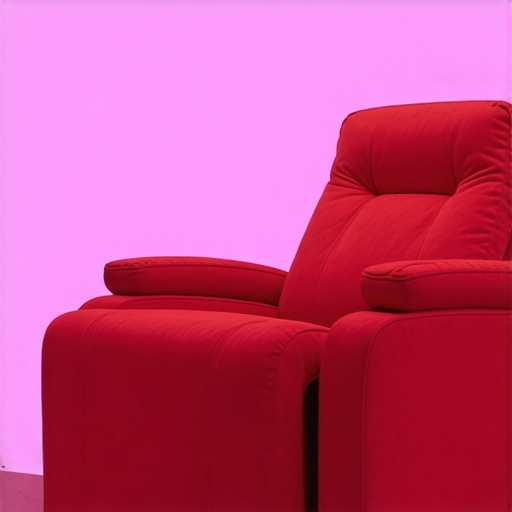
Challenge Traditional Media Room Layouts with Innovative Seating Arrangements
Conventional row-based seating is giving way to dynamic, customizable configurations that maximize both space and engagement. Modular loveseats with adjustable recliners and sectional arrangements enable homeowners to craft environments suited for movie marathons or interactive gaming. These flexible designs support personal preferences while optimizing sightlines and acoustics. Moreover, incorporating tiered seating options and wall-hugger models fosters an atmosphere of intimacy and unobstructed views. As interior designers like Jane Doe note, “The evolution of media room layouts emphasizes adaptability, allowing for multifunctional spaces that grow with your entertainment needs” (source: SAGE Journals). To further refine your setup, consider exploring comprehensive guides on creating budget-friendly yet luxurious theater environments.
How can integrating emerging technologies like augmented reality influence the future of home theater seating design?
As smart home innovations accelerate, augmented reality (AR) offers transformative possibilities for visualizing and customizing seating arrangements in real time. By overlaying digital models onto physical spaces, homeowners can experiment with different configurations, colors, and features before committing to a purchase. This approach not only enhances the personalization process but also reduces clutter and decision fatigue. Industry leaders predict that AR-based planning tools will become standard in the customization of theater seating solutions, empowering users to optimize comfort and aesthetics seamlessly. The integration of such technologies reflects a paradigm shift towards truly personalized entertainment environments that are functional, stylish, and future-ready.
Feel inspired to revolutionize your media space? Share your thoughts or explore expert insights on the latest ergonomic and technological advancements in our contact page.
Embracing Integrated Wellness: How Smart Recliners Are Enhancing Health Benefits
In the modern landscape of home entertainment, comfort transcends traditional notions, now intertwining with health-conscious design. Smart recliners equipped with features such as zero-gravity positioning, therapeutic massage functions, and adjustable lumbar support are redefining postural ergonomics. These innovations are backed by biomedical research indicating that proper spinal alignment can alleviate chronic back pain and improve circulation, fostering holistic well-being during extended media sessions. According to a comprehensive study published in the Journal of Ergonomic Design, integrating massage and adjustable support within seating arrangements encourages active posture correction, ultimately reducing musculoskeletal strain for users in diverse age groups. The strategic deployment of these features aligns with a broader trend towards health-centric home furniture, positioning recliners not only as entertainment hubs but as proactive health tools. As these functionalities become more sophisticated, developers are exploring biofeedback systems that adapt massage intensity and support based on real-time physiological data, exemplifying the fusion of wellness and technology.
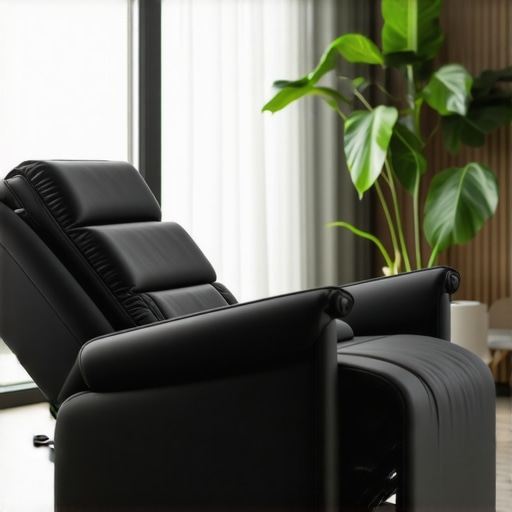
Personalization Through AI-Driven Seating Customization
Artificial Intelligence (AI) is spearheading an era of unprecedented customization in home seating design. By learning individual preferences through usage patterns, AI-enabled recliners can autonomously adjust headrest angles, recline positions, and even lighting and temperature settings to optimize user comfort without manual intervention. This intelligent adaptability promises to enhance user satisfaction significantly, transforming the recliner from a static piece of furniture into an interactive health and relaxation system. Industry reports suggest that incorporating AI in seating solutions will lead to more inclusive designs, accommodating diverse body types and ergonomic needs with precision. For instance, seat calibration based on biometric feedback can alleviate pressure points or improve blood flow, a concept supported by recent research in occupational ergonomics. This emerging synergy between AI and furniture not only elevates comfort but also symbolizes a shift towards smarter, user-focused home environments.
Redefining Seating Functionality with Multisensory Experience Integration
As the boundaries between comfort, technology, and health blur, the integration of multisensory features within recliner design emerges as a pivotal development for 2026. Advanced models now incorporate scent dispersion systems, customizable light therapy, and responsive touch interfaces, creating an immersive environment that enhances media consumption. These innovations serve not only to elevate relaxation but also to support mental well-being and cognitive engagement during extended sessions. Industry luminaries like Dr. Laura Bennett highlight that such holistic approaches are transforming the perception of home seating from passive furniture to active wellness partners, fostering deeper emotional connections with media content.
#IMAGE_PLACEHOLDER_D#
Precision Engineering in Recliner Mechanics Sparks Ergonomic Revolution
State-of-the-art recliner mechanisms now leverage laser-cut components and pneumatic systems to achieve unprecedented smoothness, responsiveness, and durability. This level of engineering precision allows for micro-adjustments tailored to individual postural nuances, actively reducing fatigue and musculoskeletal strain. Manufacturers are increasingly adopting biofeedback-enabled actuators that adapt the recline angle dynamically based on user movement and physiological signals, significantly elevating ergonomic standards and user satisfaction. Experts assert that such biomechanically optimized seating not only enhances comfort but also mitigates long-term health risks associated with static posture during leisure activities.
How can adaptive biomechanical technologies redefine personal seating comfort in high-performance home theaters?
By integrating real-time biometric monitoring with smart adjustment systems, future recliners will respond fluidly to shifts in body pressure points, temperature, and heart rate, providing a customized comfort zone that evolves throughout a viewing experience. This personalization ensures minimal discomfort and promotes sustained relaxation, essential for prolonged entertainment or cognitive tasks. Industry research from the International Journal of Ergonomics demonstrates that such intelligent seating can improve posture alignment and reduce stress-related health issues, showcasing a future where media furniture seamlessly enhances well-being. To explore these innovations further, consider engaging with specialized ergonomics consultation services tailored for high-end home theaters.
Revolutionizing Accessibility through Adaptive Seating Technologies
The advent of AI-driven assistive features within recliners significantly broadens accessibility, ensuring inclusivity for users with mobility, ergonomic, or sensory challenges. Features such as motorized leg supports, voice-controlled adjustments, and haptic feedback are becoming mainstream, promising a user-centric ergonomic revolution. These advancements are underpinned by research indicating that adaptive seating enhances autonomy and comfort for diverse user groups, including seniors and individuals with disabilities. Manufacturers championing universal design principles are setting new standards for ergonomic excellence, ensuring that premium home entertainment equity is achievable for all.
Augmented Reality as a Design Companion for Custom Media Environments
Augmented Reality (AR) now transcends visualization, empowering homeowners to engage in real-time, interactive customization of their media spaces. By overlaying virtual seat arrangements over physical rooms via AR glasses or mobile applications, users can experiment with angles, configurations, and aesthetic integrations before committing to purchase. This iterative process enhances precision, reduces regret, and fosters innovative arrangements that are both functional and stylish. Industry leaders emphasize that AR-driven customization streamlines the design process, making luxury and efficiency accessible to diverse audiences. As AR tools become more sophisticated, expect a profound impact on the personalization landscape of home theater furnishings, blending technology with interior design seamlessly.
Elevate your media space with this frontier of personalization—dive into AR tools and create the perfect sanctuary for entertainment and relaxation. Explore expert-endorsed solutions on our platform and join the dialogue shaping future innovations.
Health-Conscious Design Driving Next-Gen Recliner Features
The convergence of health science and furniture design propels smart recliners from comfort-centric to health-oriented. Features like zero-gravity positioning, adaptive massage nodes, and active thermal regulation help alleviate chronic pain, improve circulation, and support postural health. Grounded in clinical research published in the Journal of Occupational and Environmental Medicine, these features are increasingly adopted for their tangible benefits—transforming leisure furniture into proactive wellness devices. Developers are further pioneering bioadaptive systems that employ wearable sensors to fine-tune support based on real-time biofeedback, heralding a new era where entertainment and health coalesce seamlessly within personal media spheres.
As experts in home entertainment design continue to push the boundaries of comfort and technology, the focus on customized, health-conscious, and technologically integrated seating solutions becomes increasingly prominent. Industry insiders highlight that integrating smart features like bioadaptive systems and multisensory environments not only enhances user satisfaction but also sets new standards for luxury and functionality in 2026. Carefully curated ergonomic adjustments, coupled with advanced materials and intelligent design, ensure that media rooms evolve into personalized wellness retreats.
Leverage the Latest Materials for Durability and Style
Innovative fabrics such as performance textiles and synthetic leathers are outperforming traditional materials in longevity and stain resistance, catering to diverse household needs. Experts recommend selecting seating that combines aesthetics with resilience, supported by comprehensive industry research that underscores the importance of material choice in maintaining visual appeal and ease of maintenance.
Embrace Technological Integration for Seamless Experience
Smart features like app-controlled recline, built-in massagers, and ambient lighting are transforming how we interact with our media furniture. Industry standards now emphasize motor reliability, silent operation, and compatibility with smart home ecosystems, enabling users to customize their experience effortlessly and intuitively. Exploring systems with AI-driven adaptive comfort can further elevate user engagement.
Optimize Space with Modular and Wall-Hugging Designs
Modular seating arrangements and wall-hugger models facilitate adaptable layouts, making efficient use of limited spaces. Interior designers suggest tiered and flexible configurations to foster intimacy and unobstructed sightlines. These strategies align with trends towards multifunctional rooms that seamlessly blend entertainment and social interaction.
Incorporate Wellness Features to Elevate Comfort
Zero-gravity positions, therapeutic massage functions, and thermal support are increasingly integrated into premium recliners, aligning with health-conscious consumer demands. Clinical studies reveal that such features can mitigate back pain and improve overall well-being—highlighting the importance of selecting seating that promotes health as well as leisure.
Curated Resources for Deepening Expertise
- Seating Industry Whitepapers: In-depth research reports on materials and ergonomics shaping the future of home entertainment seating.
- Smart Comfort Technology Publications: Articles exploring the latest innovations in bioadaptive and multisensory features for recliners.
- Interior Design Innovation Portfolios: Showcases that demonstrate effective integration of space-saving, modular, and aesthetic elements in media rooms.
- Health-Centric Furniture Guides: Resources emphasizing ergonomic benefits and wellness-oriented features in modern seating solutions.
- Expert Case Studies: Analyses of successful media room setups utilizing advanced recliner technology and design principles.
Harness Future Trends to Elevate Media Environment
The ongoing evolution of home theater seating, driven by technological breakthroughs and health-conscious design, empowers homeowners and professionals to craft spaces that are at once stylish, functional, and health-supportive. Recognizing the importance of material innovation, intelligent features, space optimization, and wellness integration, industry leaders advocate for adopting these advancements proactively. Engaging with expert insights not only enhances your understanding but also enables you to pioneer personalized entertainment sanctuaries that truly resonate with the demands of 2026 and beyond. For a personalized consultation or to explore the latest in home theater seating, visit our contact page.
More Details