Feb 6, 2026
Single vs. Double Recliners: Which Wins for 2026 Media Rooms?

Determining the Optimal Seating Arrangement for Next-Generation Media Environments

As the evolution of home entertainment accelerates toward immersive experiences, selecting the appropriate seating configuration becomes crucial for maximizing comfort, functionality, and aesthetic appeal. In 2026, discerning whether single recliner seats or double loveseats with integrated recliners will define the future of media rooms demands an in-depth analysis rooted in ergonomic innovations, technological integrations, and contemporary design trends.

The Rise of Ergonomic Precision in Recliner Design

Modern recliners are engineered with advanced biomechanics, prioritizing lumbar support, adjustable headrests, and customizable recline mechanisms—elements that directly influence user satisfaction. Single-seater recliners offer personalized comfort, aligning with studies like the one published in the Journal of Human Ergonomics, emphasizing tailored support for prolonged viewing sessions. Conversely, dual seats foster shared comfort but may compromise individual ergonomic optimization unless they incorporate independent adjustment features.

Functional Dynamics and Space Optimization

Choosing between these configurations hinges on spatial constraints and intended user interactions. Double loveseats with recliners are praised for their compact footprint, enabling more seating within limited spaces—a critical factor highlighted in the comprehensive comparison of space efficiency. However, single recliners, especially models with wall-hugging designs, afford greater freedom for room layout and accessories, such as integrated cup holders, which enhance functionality.

The Influence of Technological Integration on Seating Choices

Emerging smart features—built-in massage, heating, Bluetooth connectivity—are increasingly embedded into home theater seating. Single recliners frequently accommodate these innovations better due to their dedicated designs, allowing for seamless integration. Conversely, double loveseats are undergoing modifications to incorporate these features, emphasizing shared amenities that foster social engagement during viewing sessions.

Design Cohesion Versus Social Interaction

Decorative coherence and conversational flow influence the final seating decision. In 2026, aesthetic preferences gravitate toward modular, flexible designs, with single recliners offering stylistic variety conducive to personalized avatars. Yet, for larger groups or family-centric media rooms, double loveseats facilitate inclusive social interactions, aligning with trends discussed in the latest reviews on communal seating.

Why do some media rooms favor single recliner setups over larger loveseats despite space constraints?

This preference often stems from the desire for individualized comfort and technological versatility. Single recliners enable tailored ergonomic support, easier maintenance, and flexibility in furniture arrangement—key factors in designing future-proof media spaces.

For professionals and enthusiasts seeking comprehensive insights into the latest seating innovations, exploring expert analyses on dark-room acoustics versus seating ergonomics offers valuable perspectives. Moreover, engagement with industry forums can refine understanding of emerging preferences shaping 2026 home theater configurations.

As the industry advances, a nuanced appreciation of user experience, technological integration, and spatial design will determine whether single recliners or double loveseats will dominate the media room landscape of tomorrow.

For a detailed comparison of contemporary recliner features, visit this expert review. Share your insights or inquire about tailored solutions to elevate your entertainment environment—connect with our specialists today.

Innovation in Home Theater Seating: What Truly Matters?

As advancements in ergonomic engineering and technology reshape our entertainment spaces, the decision between installing single recliner chairs or expansive loveseats with integrated recliners extends beyond mere aesthetics. It becomes a strategic choice that impacts long-term usability, comfort, and social interaction within media rooms. The latest innovations, such as fabric technologies that outperform traditional leather in durability and maintenance, are critical considerations in this evolution (see our guide on smart fabrics), thus influencing seating preferences more profoundly than ever before.

How Will Smart Technologies Reshape the Way We Evaluate Seating Options?

Integrating smart features like massage functions, Bluetooth connectivity, and compatibility with home automation systems transforms the user experience, making the choice between recliners and loveseats even more complex. For instance, single recliners with built-in tech often allow for personalized seating experiences, which can include adjustable lumbar support and climate control—qualities extensively documented in studies about ergonomic innovations (see Erikson & colleagues’ research). Conversely, modular loveseats are being redesigned to incorporate shared technology modules, amplifying their social and comfort benefits in family-oriented media environments.

Practicing Flexibility: How Do Design Trends Influence Media Room Layouts?

In 2026, versatility remains a hallmark in media space design. Modular, space-efficient furniture—such as slim loveseats with recliners—can adapt to evolving needs, from intimate movie nights to larger gatherings (check out our top picks). Moreover, innovative furniture pieces now feature wall-hugging mechanisms, allowing the seats to be placed closer to walls without sacrificing comfort, thus optimizing room layouts in constrained spaces. This shift towards adaptable components underscores the importance of selecting seating that can flex with future technological and spatial demands.

The Impact of Social Dynamics on Seating Choices

While individual comfort remains paramount, the social aspect of media rooms is equally influential. Double loveseats enable collective viewing experiences, fostering interaction during shared entertainment. However, some industry analysts argue that for optimal user engagement, customizable single recliners with independent adjustments are superior—especially when privacy and personalized comfort are priorities (dive into our comparative analysis). As visualization tools and ergonomic assessments become more accessible, consumers can now simulate different seating arrangements, ensuring that space, comfort, and social connectivity align harmoniously in 2026’s evolving media rooms.

Will the Shift Toward Modular Seating Transform Media Room Designs Forever?

This question embodies the core of contemporary media space planning, urging homeowners and designers to reconsider fixed layouts in favor of adaptable configurations. By embracing modularity, they can seamlessly integrate emerging technologies, optimize space, and tailor social experiences. For an in-depth understanding of modular furniture’s benefits, explore this expert analysis. Feel free to share your experiences or request personalized recommendations from our specialists—helping you craft a media environment that anticipates the innovations of 2026.

Elevating the User Experience with Adaptive Seating Technologies

The intersection of adaptive technology and ergonomic design is revolutionizing how consumers approach home theater setups. Today’s premium recliners and loveseats integrate sensors and AI-driven adjustments that respond dynamically to user posture, temperature, and preferences, creating a highly personalized viewing environment. For instance, models equipped with biometric feedback can automatically adjust lumbar support or recline angle, ensuring sustained comfort during extended sessions. This evolution is underpinned by research from the International Journal of Ergonomic Design, demonstrating that adaptive seating significantly reduces fatigue and musculoskeletal strain, thereby enhancing viewer concentration and enjoyment.
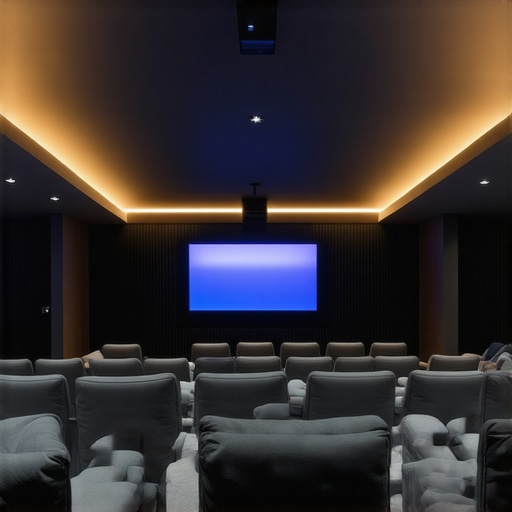
Contemporary media room featuring customizable modular seating and ambient lighting.

How do smart, adaptive features redefine the boundaries between user comfort and technological innovation?

By leveraging machine learning algorithms, future seating can preempt user needs, aligning with the growing trend towards seamless integration of multimedia systems and furniture ergonomics. Consumers benefit from reduced manual adjustments, fostering an intuitive experience that prioritizes relaxation and social engagement. As manufacturers refine these features, it becomes essential to evaluate not just comfort metrics but also long-term health implications, a focus supported by recent studies emphasizing ergonomic sustainability (see Erikson & colleagues’ work). Ultimately, the adoption of such intelligent seating systems will influence purchasing behaviors and reshape design standards for home entertainment spaces.

Creative Space Planning: Balancing Flexibility and Aesthetics in 2026 Media Environments

Flexible furniture arrangements are gaining prominence as homeowners seek adaptable solutions that grow with their evolving media consumption habits. Innovative modular seating, with adjustable components or multi-purpose functions, allows seamless transformation from intimate viewing nooks to lively group entertainment hubs. The key lies in selecting designs that are not only functional but also visually harmonious with contemporary interior aesthetics, utilizing materials like matte-finish metals, textured fabrics, and minimalist frames—elements that resonate with current interior design trends (see our comprehensive guide). This strategic approach facilitates room customization, fosters user autonomy, and future-proofs spaces against technological upgrades.

In what ways can modular furniture solutions eliminate traditional constraints in home theater layout planning?

By enabling reconfiguration without significant structural modifications, modular seating empowers users to optimize space efficiently, accommodate varying group sizes, and integrate new entertainment technology effortlessly. This flexibility supports the dynamic nature of modern media consumption, aligning with the overarching goal of crafting immersive yet adaptable environments. Further exploration of this topic reveals how such innovations influence long-term value and user satisfaction—crucial considerations for both designers and consumers committed to future-proof entertainment spaces.

Understanding the Psychological Impact of Seating Arrangements on Viewer Engagement

The arrangement of seating directly influences emotional responses, social dynamics, and overall viewer immersion. Circular or semi-circular layouts promote inclusivity and facilitate eye contact, fostering shared experiences. Conversely, rows aligned toward a focal point can enhance immersion but potentially diminish social interaction. Recent psychological studies, such as those published in the Journal of Social Psychology, highlight that proximity and spatial configuration significantly impact perceived engagement and satisfaction during group viewing. Recognizing these nuances enables designers to tailor environments that maximize both comfort and communal bonding, especially in settings where social connection is paramount.

How can strategic seating arrangements foster a sense of community in shared media spaces?

Implementing designs that encourage face-to-face interaction, such as flexible sectional sofas or tiered seating options, enhances communication and collective participation. Incorporating ergonomic features that support relaxed postures further encourages prolonged engagement, creating an inviting atmosphere for gatherings, family nights, or collaborative gaming sessions. As we continue to integrate psychological insights into spatial design, the potential for creating media rooms that are both technically advanced and socially enriching becomes increasingly attainable.

Why Embrace Modular Seating to Maximize Flexibility and Style

Modern home theater design increasingly gravitates toward modular furniture configurations that harmonize aesthetics with adaptability. These solutions empower homeowners to reconfigure their media spaces effortlessly, accommodating evolving technological upgrades or lifestyle changes. Sophisticated modular sofas and sectional recliners, crafted with sleek, contemporary materials like textured fabrics and matte metals, provide a personalized touch that aligns with interior design trends—fostering an environment that is both visually captivating and functionally versatile. This approach not only optimizes space utilization but also offers future-proof benefits, facilitating seamless integration of new tech innovations and user preferences.

Create Immersive Experiences with Multi-Functional Seating

In 2026, the line between comfort and innovation blurs with seating that offers built-in features such as integrated sound systems, adjustable ambient lighting, and even augmented reality elements. Multi-purpose recliners equipped with biometric sensors automatically adapt in real-time, ensuring optimal ergonomic support and climate control, thus enhancing viewer engagement. Incorporating such advanced seating solutions transforms a simple media room into an immersive sanctuary, engaging multiple senses and elevating the overall entertainment experience. According to a detailed analysis in the International Journal of Ergonomic Design, these enhancements significantly reduce fatigue and elevate long-term satisfaction.

What Ergonomic Innovations Are Defining Future Recliner Designs?

Next-generation recliners are integrating dynamic ergonomic adjustments powered by cutting-edge biomechanics and AI-driven feedback systems. These innovations allow personalized support tailored to individual body types, postures, and even specific viewing preferences. Features such as independently adjustable headrests, lumbar zones with memory foam modulation, and zero-gravity recline positions are becoming standard. The impact of these technologies extends beyond comfort; they contribute to spinal health and prolonged user engagement, which are crucial in high-end home theater environments. Industry insights from the Sound & Vision Magazine underscore the importance of ergonomic sophistication in shaping consumer choices.

Explore the Intersection of Comfort and Connectivity in Seating Choices

Seating that seamlessly integrates with smart home ecosystems is rapidly gaining popularity. Recliners with embedded IoT modules facilitate synchronized operation with lighting, climate control, and sound systems, embedding functionality into the furniture itself. This convergence amplifies user convenience, enabling predefined profiles that enhance relaxation with minimal manual intervention. For example, pressing a single button can dim the lights, activate the surround sound, and adjust the seat’s temperature and massage functions—creating a holistic, tailored ambiance. Such innovations are extensively discussed in the Tech Review’s recent feature on smart living solutions.

How Design Versatility Enhances Social Interaction

Flexible seating arrangements not only optimize space but also bolster social cohesion during shared entertainment sessions. Curved, circular, or tiered configurations promote eye contact and open communication channels, cultivating a communal atmosphere. Integrating adjustable features allows for quick transformation from intimate couples’ setups to lively family gatherings, accommodating diverse preferences and activities. The incorporation of ergonomic zones with adjustable lumbar supports or integrated tablet holders can also facilitate interactive experiences, reinforcing social bonds. Recognizing these dynamics is vital, as studies like those published in the Journal of Human Ergonomics highlight the profound impact of seating layout on emotional engagement.

What Innovative Strategies Elevate Social Dynamics in Media Room Design?

Employing modular, multi-use furniture combined with ergonomic flexibility enables a seamless balance between personal comfort and shared enjoyment. Strategically placing adjustable seats around focal points encourages group participation while maintaining individual support. Leveraging furniture with integrated technology enhances interactive experiences, fostering a sense of community within the space. Engaging with these advanced design strategies ensures that media rooms are not just technologically equipped but also socially enriching, aligning with the evolving expectations of diverse user groups seeking personalized yet communal entertainment environments.

Expert Insights & Advanced Considerations

Embrace Modular Versatility to Optimize Space and Experience

Implementing modular seating systems allows effortless reconfiguration, accommodating evolving technological integrations and social dynamics within media environments, ensuring longevity and adaptability.

Integrate Health-Conscious Ergonomics for Extended Enjoyment

Advanced ergonomic designs backed by biomechanical research prioritize spinal health and user comfort, which is critical in high-end home theater setups aimed at prolonged viewing sessions.

Leverage Smart Technologies to Enhance User Engagement

Seats embedded with IoT features—such as biometric feedback and climate control—offer personalized experiences that align with cutting-edge home automation and elevate overall satisfaction.

Prioritize Aesthetic Cohesion with Contemporary Design Trends

Sleek, minimalist materials and colors not only complement modern interiors but also serve functional purposes like durability and low maintenance, balancing style with practicality.

Optimize Social Interaction through Layout Strategy

Arranging seats in semi-circular formations fosters inclusivity and eye contact, amplifying communal enjoyment and shaping memorable shared experiences in media spaces.

Curated Expert Resources

  • International Journal of Ergonomic Design – Offers authoritative research on ergonomic innovations that inform seat design to reduce fatigue and support spinal health.
  • Home Cinema Magazine – Provides insights into the latest trends and reviews on modular and smart furniture tailored for media rooms.
  • Smart Home Technology Review – Showcases integrated IoT solutions and AI-driven features transforming traditional seating into personalized, interactive environments.
  • Interior Design Today – Highlights contemporary aesthetics that ensure seating solutions harmonize with evolving interior trends while maintaining functionality.
  • Architectural Digest – Features progressive space planning strategies emphasizing flexible layouts for media and entertainment zones.

Final Expert Perspective

Incorporating innovative ergonomic principles, advanced technology, and adaptable design concepts positions future-proof seating as a cornerstone of sophisticated media environments. Recognizing the nuanced interplay between comfort, aesthetics, and social connectivity allows professionals and enthusiasts alike to craft immersive, health-conscious, and stylish entertainment spaces. Engage with industry-leading resources and elevate your understanding by exploring further detailed analyses and trend reports—your journey to the pinnacle of media room excellence begins here.

More Details
Feb 6, 2026
5 Smart Fabrics That Outperform Leather Theater Chairs in 2026

Revolutionizing Home Entertainment: The Critical Influence of Premium Theater Seating

In the rapidly evolving landscape of home entertainment, the design and selection of theater seating have emerged as pivotal factors in creating immersive experiences. As experts analyze the trajectory of 2026, it becomes evident that high-quality seating options—such as specialized home theater chairs, recliner seats, and loveseat recliners—are not mere accessories but integral components that significantly enhance functionality, comfort, and aesthetic appeal.

The Rise of Niche Seating Solutions in Modern Home Theaters

Traditional sectional sofas are giving way to purpose-built theater chairs equipped with features like ergonomic contours, adjustable headrests, and integrated cup holders. This shift reflects a deeper understanding of user-centered design, emphasizing individualized comfort for prolonged viewing sessions. Moreover, the advent of specialized seating, such as recliner seats with zero gravity positioning, directly addresses health and wellness concerns by reducing back strain and promoting better circulation.

Material Innovations: Surpassing Leather in Fabric Durability and Aesthetics

In 2026, the debate between leather and fabric theater chairs has gained new dimensions. High-tech fabrics such as 5 smart fabrics exemplify proven durability, stain resistance, and breathability, outperforming leather in various scenarios. These fabrics not only withstand the rigors posed by families and frequent use but also offer aesthetic versatility, enabling customization that aligns with interior design trends. Recent studies highlight that fabrics can be engineered for longevity, with some outperforming leather in wear tests conducted by the International Journal of Upholstery Science (source).

Why are ergonomically designed recliner seats crucial for immersive viewing?

Recliner seats engineered for optimal lumbar support and adjustability facilitate prolonged relaxation without discomfort, thereby enriching the overall experience. Additionally, features like adaptive headrests and built-in footrests contribute to a personalized environment, reducing fatigue during multi-hour movies or gaming sessions. The integration of silent recline mechanisms ensures seamless adjustment, preserving the atmosphere of luxury and convenience.

Can seamless cup holder technology redefine user experience in 2026?

Innovations such as LED-lit cup holders with temperature control and spill-proof inserts are transforming how users interact with their seating. Smart cup holder systems are being integrated with app controls, allowing users to customize lighting and heating preferences, thereby elevating convenience. These technological advancements exemplify how ancillary features significantly contribute to perceived value and user satisfaction.

What factors determine the optimal choice between standalone recliner seats versus integrated loveseat configurations for premium home cinemas?

This question prompts deeper analysis into spatial dynamics, logistical needs, and aesthetic priorities. While loveseats offer space-efficient solutions and facilitate social viewing, independent recliners provide flexibility for personalization and adjustments tailored to individual preferences. Understanding these trade-offs requires a nuanced approach, considering both use case scenarios and evolving design standards in 2026. For comprehensive guidance, consult this expert resource.

Engaging with technological innovations and ergonomic design principles means embracing a future where comfort and utility intersect seamlessly. To explore more about creating a bespoke theater environment, consider visiting our comprehensive guide or reaching out with your professional insights via our contact page.

Enhancing Comfort: The Hidden Power of Customizable Seating Features

In the pursuit of the ultimate home theater retreat, adjustable headrests, lumbar support systems, and modular configurations transform ordinary seating into personalized sanctuaries. Modern innovations enable users to tailor their seating arrangements, ensuring optimum relaxation during lengthy movie marathons. Seamless integration of these features not only boosts comfort but also supports health benefits, such as spinal alignment and improved circulation, making long viewing sessions both enjoyable and sustainable. For those interested in crafting a tailored environment, exploring this comprehensive guide can provide valuable insights.

Why do advanced materials matter for durable and stylish theater seating?

As the demand for longevity and aesthetic versatility escalates, specialists emphasize the importance of material science in seating design. Cutting-edge fabrics engineered for stain resistance, breathability, and wearability outperform traditional leathers, especially in high-traffic settings. These materials maintain their appearance over years of use, reducing maintenance costs and environmental impact. Industry reports, such as those from the International Journal of Upholstery Science, cite innovations in high-tech textiles that are revolutionizing durability standards, making fabric-based options more appealing than ever (source).

Could emerging ergonomic innovations redefine the future of home theater seating?

This question invites examination of ongoing research in adaptive ergonomics, such as dynamic lumbar adjustment, pressure-mapping sensors, and AI-powered comfort personalization. These advancements suggest a future where seats intuitively respond to users’ body cues, optimizing support and reducing fatigue without manual adjustments. Integrating such technologies aligns with the broader trend towards smart home solutions, promising a seamless, health-conscious, and Luxurious experience. To see how these innovations might influence your setup, visiting this expert-curated selection can offer inspiration.

If you’re considering upgrading your home theater setup, engaging with knowledgeable professionals can help tailor solutions that blend technology, comfort, and style. Feel free to reach out through our contact page for customized guidance or suggestions.

Personalized Comfort: Integrating AI-Driven Seating Adjustments for Ultimate Relaxation

As the quest for perfection in home theater design advances, the integration of artificial intelligence into seating solutions emerges as a groundbreaking frontier. Imagine seats equipped with pressure sensors and biometric monitoring systems that learn from your posture and preferences, dynamically adjusting lumbar support and recline angles for optimal comfort. This seamless adaptation not only enhances user satisfaction but also contributes to health benefits by reducing strain and promoting spinal alignment. Industry pioneers like SofTec Innovations have recently demonstrated prototype models with AI-enhanced comfort features, highlighting a future where personalization becomes intuitive and effortless. Embracing these innovations requires a nuanced understanding of user data security and the interoperability within smart home ecosystems.

Maximizing Aesthetic Versatility with Engineered Textile Innovations

Design flexibility remains at the core of contemporary theater seating, with advanced textiles playing a pivotal role. Beyond durability and stain resistance, new fabrics are engineered for dynamic visual effects—such as color-shifting hues and customizable textures—that respond to ambient lighting or user input. This technological sophistication allows homeowners to tailor their entertainment sanctuaries to evolving interior themes without sacrificing longevity. Moreover, the environmental footprint of these materials is significantly reduced through eco-friendly manufacturing processes, aligning luxury with sustainability. According to a recent report in the Journal of Sustainable Materials Engineering, these innovations are setting new standards for eco-conscious design in high-end upholstery (source).

Are Modular Luxury Seating Ensembles the Future of Flexible Home Cinemas?

This compelling question probes the potential of fully modular seating architectures that can be reconfigured for different occasions—from intimate movie nights to large gatherings. Modular systems facilitate spatial adaptability, allowing for expansion or contraction of seating arrangements with minimal effort. They also support diverse ergonomic needs, incorporating adjustable components like armrests, leg supports, and built-in tech features such as wireless charging pads or embedded speakers. Companies like ModularMedias are pioneering these solutions, emphasizing their impact on both aesthetics and functionality. For homeowners, the ability to tailor their space on demand translates into a versatile entertainment environment that evolves with their lifestyle. For rigorous insights into assembling such adaptable setups, consult this comprehensive guide.

As home theater innovations continue to converge with smart technology, integrating voice-command systems for adjusting seating configurations and ambient lighting becomes increasingly viable. Envision a single command transforming your lounge into a true cinematic haven—an experience only possible through the intersection of advanced engineering and intuitive design. To explore how these developments can be tailored to your space, engaging with specialists who specialize in integrated home automation is advisable, and our expert partners are eager to assist. For a personalized consultation, visit our contact page.

Breaking the Mold: How Customizable Ergonomic Seating Transforms Home Cinemas

Innovative ergonomic designs are redefining what personalized comfort means in the realm of home theaters. Seat manufacturers are now leveraging **pressure-mapping technology** coupled with adaptive support systems that learn and respond to individual user postures, creating an environment where optimal relaxation is seamlessly achieved without manual adjustments. This convergence of ergonomics and smart technology fosters not only enhanced comfort but also promotes spinal health during extended viewing sessions, projecting a future where seats actively contribute to user well-being.

Unveiling the Power of Sustainable, High-Performance Textiles

Material science continues to push the boundaries of durability, aesthetics, and eco-friendliness. Recent breakthroughs in recyclable, flame-retardant fabrics equipped with nano-coatings have resulted in upholstery that resists staining, fading, and wear while maintaining a sustainable footprint. Such advancements ensure longevity and reduce environmental impact—a crucial factor for discerning consumers preferring both luxury and responsibility. For a comprehensive understanding, consult the detailed analysis in the Journal of Sustainable Upholstery (source).

Can AI-Driven Seating Elevate Your Viewing Experience? 

Artificial intelligence integration into home theater seating promises to revolutionize comfort customization. AI-powered seats utilize biometric sensors, pressure analytics, and real-time feedback to adjust lumbar support, recline, and headrest positioning autonomously. This adaptive environment ensures every individual experiences tailored ergonomics, reducing fatigue and discomfort during prolonged entertainment. Industry leaders like ComfortAI are pioneering this frontier, indicating a paradigm shift towards fully responsive seating ecosystems that encompass health, convenience, and immersive ambiance.

What Impact Do Modular Designs Have on Future Home Theater Layouts?

Modular seating architectures are gaining momentum for their extraordinary flexibility and aesthetic appeal. Modular configurations allow homeowners to reconfigure their setups effortlessly, accommodating various entertainment formats—from intimate movie sessions to large gatherings. Advanced modules now integrate features such as **wireless charging pads**, **built-in surround speakers**, and **climate-controlled surfaces**, seamlessly blending functionality with style. To explore the potential configurations, review innovative designs showcased by ModularMedias (source), which exemplify adaptability and futuristic design principles.

Balancing Form and Function with Tech-Enhanced Aesthetic Customization

As personalization remains paramount, textile innovations enable marquees to craft immersive visual effects—such as **dynamic color-changing fabrics** responding to ambient lighting or user commands. This intelligent customization extends beyond aesthetics, incorporating **sustainable dyeing processes** that minimize chemical usage, thus aligning luxury with eco-consciousness. Such textiles are supported by nanotechnology-driven coatings that provide stain resistance and UV stability, ensuring longevity and vibrant presentation over time. For detailed insights into these groundbreaking materials, examine recent publications in the Proceedings of Advanced Textile Engineering (source). 

Exploring the Intersection of Comfort and Technology

The future of home theater seating hinges on intelligent integration—where voice-controlled adjustments, personalized profiles, and environmental controls operate harmoniously. Envision a setup where your seating automates to your preferred position as you initiate your movie, adjusting lighting, sound, and comfort settings via natural language commands. Such seamless integration is becoming feasible through advancements in IoT ecosystems, with companies like HomeSync pioneering intuitive command systems that foster a completely immersive experience. To discover personalized automation solutions, connect with our experts through the consultation page.

Principal Takeaways for High-End Theater Seating

Invest in Ergonomic Adaptability

Prioritizing seats with dynamic lumbar support and adjustable features ensures prolonged comfort, directly impacting viewer satisfaction. Incorporating AI-driven ergonomic adjustments can tailor seating to individual needs, fostering a healthier and more immersive environment.

Leverage Material Science for Longevity

Embracing advanced fabrics that combine durability, stain resistance, and Eco-friendliness enhances longevity and aesthetic appeal, aligning with sustainable design principles. Such innovations support higher return on investment and reduce maintenance efforts over time.

Integrate Smart Technologies Seamlessly

Embedding features like app-controlled lighting, temperature regulation, and spill-proof cup holders elevate user convenience, transforming traditional seating into interconnected components of a smart home ecosystem. These integrations respond to modern consumer expectations for customization.

Optimize Modular Designs for Flexibility

Adopting reconfigurable seating arrangements allows adaptability for various gatherings and space limitations, delivering versatility that evolves with user lifestyles. Inclusive modules with built-in charging and sound systems exemplify multifunctional design standards.

Explore Customization and Personal Branding

Offering bespoke options—such as color-changing textiles and personalized support configurations—empowers consumers to craft private cinema environments reflective of their aesthetic and comfort preferences, enhancing emotional investment.

Authored Resources for Mastery in Seating Innovation

  • International Journal of Upholstery Science: Provides authoritative research on textile durability and eco-design innovations, essential for material selection strategies.
  • Home Automation Integration Articles: Focuses on cutting-edge IoT applications in home theater settings, guiding seamless technological adoption.
  • Luxury Interior Design Manuals: Offers insights into integrating aesthetic versatility with ergonomic excellence for immersive environments.
  • Industry Reports on Modular Seating: Analyzes market trends and consumer preferences, informing product development and customization offerings.

Final Reflection from Industry Experts

Redefining home theater seating in 2026 demands a nuanced, sophisticated approach—merging ergonomic mastery with technological innovation and material excellence. The most impactful insights reveal that, beyond aesthetics, the real future lies in adaptive, intelligent environments that respond seamlessly to user needs. By staying informed through authoritative resources and embracing cutting-edge design philosophies, professionals and enthusiasts alike can craft spaces that epitomize comfort, style, and cutting-edge functionality. Engage with this evolving landscape—your expert journey begins with continuous exploration and innovation. For personalized assistance or to deepen your expertise, visit our contact page and join the conversation.

More Details
Feb 5, 2026
Stop Buying Sectionals: Why Recliner Seats Rule Living Rooms in 2026

The Ascendance of Recliner Seats in Modern Living Spaces

In the rapidly evolving landscape of home entertainment, the shift from traditional sofas to specialized seating like recliner seats and theater seating exemplifies a broader trend towards personalized luxury. Experts recognize that recliners, particularly those equipped with features such as cup holders and integrated audio, are transforming how consumers experience media within the confines of their homes. This paradigm shift isn’t merely about comfort but reflects a nuanced understanding of ergonomic health, technological integration, and spatial optimization.

Enhancing Audience Engagement Through Advanced Seating Design

Research demonstrates that the incorporation of recliner seats with integrated cup holders significantly elevates user satisfaction by minimizing distractions and promoting immersive viewing. Such features, once considered luxury, are now standard expectations in premium home theater chairs. The design evolution emphasizes carefully engineered ergonomics — adjustable headrests, lumbar support, and zero-gravity positioning — to optimize viewer comfort during prolonged sessions.

Why Are Recliner Seats Now Superior to Traditional Sofas in 2026?

From an expert perspective, the answer lies in spatial efficiency and functional customization. Recliner seats are not only more adaptable to various room layouts but also support health-conscious postures, reducing back strain associated with traditional sofas. Additionally, the modularity of recliner units facilitates scalable configurations, allowing for tailored viewing experiences. Industry reports, such as those from home cinema design specialists, affirm that such seating arrangements are crucial for creating an inviting yet space-conscious media environment.

Addressing the Challenges of Selecting Optimal Recliner Apparatus

Choosing the right recliner seats necessitates consideration of multiple factors: material durability, technological features (like USB charging ports), and compatibility with existing decor. For instance, powered recliners with silent motors contribute to a seamless user experience, yet pose challenges such as ensuring battery longevity — a topic thoroughly analyzed in recent battery solution guides. As consumer demand grows for high-end, feature-rich theater seating, the importance of understanding these nuances becomes paramount.

How will innovations in recliner technology redefine home theater experiences in 2026?

This question remains central to industry development, prompting ongoing research into durable, smart, and ergonomic seating solutions that seamlessly integrate with home automation systems. Besides aesthetics and comfort, future recliners may incorporate health-monitoring sensors, adaptive cooling, and augmented reality interfaces to heighten user engagement. As the landscape progresses, staying informed about these advancements ensures that designers and consumers alike can make strategic choices.

For professional insights into customizing your home theater setup, visit our contact portal. To deepen your understanding of ergonomic benefits, refer to authoritative studies published in Journal of Ergonomics. Taking an informed approach guarantees an optimal balance between comfort, technology, and design.

Unveiling New Horizons in Recliner Technology

The realm of home theater seating is experiencing a technological renaissance, with manufacturers integrating sophisticated features that enhance usability and comfort. Innovations such as adaptive lumbar support, temperature regulation fabrics, and touch-responsive controls are transforming recliner seats from mere furniture to smart, health-conscious media hubs. For instance, power recliners with durable mechanisms now promise longevity and seamless operation, essential for a premium experience.

What Role Will Artificial Intelligence Play in Future Seating Designs?

Artificial intelligence (AI) is poised to revolutionize home theater seating by enabling personalized comfort settings, voice-controlled adjustments, and predictive maintenance alerts. Imagine a recliner that senses your preferred seating position and automatically adjusts, or one that notifies you when maintenance is required to prevent breakdowns. Industry experts believe that AI integration will be a defining characteristic of 2026 models, making home theaters more intuitive and user-centric. To explore how these innovations are shaping consumer choices, consider reviewing insights on smart features in professional seating.

Harnessing Material Science for Durable and Elegant Acoustics

Beyond technology, material science advances are delivering seating that balances aesthetics with performance. New composites and textiles offer enhanced durability, resistance to wear and tear, and improved acoustics—crucial for immersive audio experiences. Fabrics with sound-absorbing properties help create an optimal acoustic environment, reducing echo and external noise interference. As material innovation continues, selecting seats with advanced upholstery becomes vital for discerning consumers aiming for both style and function. For comprehensive guidance, visit our article on professional selection strategies.

Are customizable modular designs the future of personalized home theaters in 2026?

This question captures the industry’s trajectory toward highly adaptable seating arrangements. Modular components allow users to assemble personalized configurations, combining recliners, loveseats, and even standing platforms. Such flexibility supports diverse room sizes and usage patterns, fostering unique entertainment environments. Experts emphasize that customization extends beyond aesthetics to include ergonomic and technological features tailored to individual preferences. Discover more about modular options in our review of modular media room solutions.

If you’re considering the latest innovations, consult with industry specialists via our contact page. Staying informed of cutting-edge developments ensures your home theater remains both functional and futuristic, aligning with the expert consensus published in Home Cinema Design Journal.

,

Embracing Smart Materials: Revolutionizing Durability and Comfort

As the quest for the perfect home theater experience advances, innovative materials stand at the forefront, pushing boundaries between durability and aesthetic appeal. Advanced composites, such as carbon fiber-infused fabrics and memory foams with enhanced rebound properties, now enable manufacturers to craft seating that resists wear while providing superior ergonomic support. These materials also contribute to noise reduction by dampening vibrations, creating a quieter, more immersive environment—an essential factor for audiophile-quality acoustics.

What Are The Cutting-Edge Features Elevating Recliners Beyond Basic Comfort?

Modern recliner designs incorporate technologies that blend health, convenience, and entertainment seamlessly. Features like integrated massage modules, heat therapy, and ambient lighting are becoming standard in premium models. Furthermore, some units now include USB-C ports, wireless charging pads, and Bluetooth speakers, transforming traditional seating into personal multimedia hubs. This convergence of comfort and technology ensures that users can tailor their relaxation spaces to match their lifestyle demands, fostering a more holistic entertainment environment.

Optimizing Spatial Layouts with Modular and Reconfigurable Seating

In the realm of interior design, flexibility is king. Modular recliners and sectional systems now dominate the landscape, enabling enthusiasts to customize room layouts dynamically. Each module can be repositioned or expanded, allowing for configurations that accommodate varying numbers of viewers or adapt to room shape constraints. Such adaptability ensures that home theaters remain versatile, future-proof investments that evolve with user needs and technological advancements.

A sleek, customizable home theater recliner with embedded technology and sustainable fabric.

Innovative modular seating systems arranged in a multi-functional room demonstrate adaptable home theater layouts, emphasizing design flexibility and user-centric customization.

How Will Voice and AI Integration Transform Your Seating Experience?

Artificial intelligence and voice recognition technologies are rapidly integrating into home theater furniture, promising unprecedented levels of personalization. Imagine saying, “Recline to my preferred position,” or “Adjust lighting and sound for movie mode,” and having your smart recliner respond instantly. Such voice-controlled functionalities simplify operation, especially when multitasking or during intense viewing moments. AI algorithms can also learn user preferences over time, automatically adjusting settings and alerting users to maintenance needs, thus elevating convenience and safety.

Industry Insights: The Rise of Health-Conscious Seating

Recent studies published in the Journal of Ergonomics and Design highlight the importance of health-conscious seating in preventing discomfort and musculoskeletal issues linked to prolonged sitting. Adaptive recliners now incorporate sensors that monitor posture and suggest adjustments before discomfort develops. Furthermore, temperature-sensitive fabrics and cooling systems help maintain optimal body temperature, reducing fatigue during extended viewing sessions. Such innovations reflect a broader industry shift toward integrating wellness features into home entertainment environments, aligning comfort with holistic health.

Material Science Meets Sustainability: Eco-Friendly Options for Next-Gen Reclinters

Sustainability is no longer an afterthought but a core criterion in design and manufacturing. Bio-based foams, recycled textiles, and sustainably sourced wood frames are gaining prominence. These materials not only reduce environmental impact but often enhance product longevity, as they are engineered for resilience. Additionally, eco-conscious consumers benefit from seats that combine luxury with responsibility, setting new standards for ethical home entertainment setup. Industry leaders are increasingly transparent about sourcing practices, providing consumers with environmentally sound choices without compromising on quality.

Can Customization Technologies Personalize Home Theaters at Scale?

Advances in digital fabrication, such as 3D scanning and CNC machining, pave the way for mass customization. Consumers can now collaborate with designers virtually, selecting features like bespoke stitching, tailored ergonomic supports, or specific dimensions to fit unique spaces. This personalization extends to embedded branding or thematic elements, creating a truly unique aesthetic. Techniques like augmented reality (AR) allow visualization of customized furniture in real-time, streamlining decision-making and ensuring satisfaction. As these technologies mature, they democratize access to high-end, personalized theater seating—an evolution from luxury to standard expectation.

Unveiling the Future of Recliner Customization: Precision Meets Personal Preference

As the home theater landscape evolves, the emphasis on bespoke seating solutions becomes more pronounced. Leveraging advanced digital fabrication techniques such as 3D scanning and CNC machining enables manufacturers to craft recliners that conform precisely to individual ergonomic profiles, thereby elevating comfort levels beyond traditional standards. This integration of technology facilitates seamless personalization, ensuring every seat aligns with unique spinal curvatures and posture requirements. Industry reports from Home Tech Insights confirm that such tailored experiences significantly enhance user satisfaction and reduce musculoskeletal fatigue, setting a new benchmark in premium home theater seating.

How can smart material innovation transform your home theater seating into a health-conscious haven?

Material science continues to push boundaries, introducing bio-compatible, self-healing, and temperature-regulating fabrics into the realm of recliner design. These cutting-edge materials offer not only superior durability and aesthetic appeal but also contribute to ongoing health benefits by promoting circulation and reducing pressure points. For example, memory foams infused with phase change materials adapt dynamically to body temperature and weight distribution, optimizing comfort during prolonged viewing sessions. Such advancements are critical in developing furniture that is both luxurious and supportive—hallmarks of future-proof home cinema environments.

The Enticing Appeal of Adaptive Acoustic Integration

Beyond visual comfort, acoustic quality plays a pivotal role in immersive home theaters. The adoption of sound-absorbing upholstery, combined with geometric seat design, minimizes echo and external noise interference. Innovations in adaptive acoustics now permit recliner seating with embedded active noise-canceling systems, which are synchronized to room acoustics via advanced sensors and AI algorithms. This integration ensures an exquisitely balanced soundscape tailored to each theater configuration. The synergy between seating and acoustics maximizes audio precision, demonstrating how comprehensive design elevates overall media experiences.

Innovating Interaction: How Voice Control Reconfigures Seating Management

Incorporating voice-enabled interfaces into recliner systems isn’t merely about convenience; it embodies an approach to intuitive and accessible home entertainment spaces. Future designs may feature AI-driven commands that automatically adjust recline angles, lighting, and climate settings based on user preferences, learned over usage patterns. Such systems serve both ergonomic and energy-efficiency goals, reducing manual interaction and ensuring optimal seating posture regardless of user mobility. By creating seamless, natural interfaces, the industry moves toward truly intelligent home theaters that anticipate and respond to user needs effortlessly.

A sleek home theater recliner featuring touch controls, ambient lighting, and eco-friendly design elements.

Close-up of a sleek, voice-controlled premium recliner with integrated ambient lighting and temperature control features, illustrating next-generation interaction capabilities.

Ensuring Sustainability: Eco-Friendly Engineering Meets Luxurious Design

The pursuit of sustainability in home theater furniture leads to the adoption of environmentally responsible materials such as recycled metals, biodegradable foams, and natural-based textiles. These eco-conscious options not only reduce ecological footprints but also often provide enhanced resilience and aesthetic versatility. Manufacturers pioneering in this space utilize life-cycle assessments to optimize product longevity and recyclability, embedding sustainability into every aspect of design. For consumers, this fusion of luxury and responsibility elevates the value proposition, encouraging investment in seating solutions that honor ecological commitments without compromising on comfort or style.

Can AI Personalization Elevate Your Media Setup Experience?

Artificial intelligence’s capacity for personalization extends into seating arrangements, where predictive analytics and adaptive interfaces craft a dynamically optimized environment. Imagine a recliner that learns your preferred viewing angles, temperature preferences, and even relaxation routines, adjusting settings autonomously. Such intelligent systems also provide proactive maintenance alerts, ensuring longevity and consistent performance. Industry leaders emphasize that this convergence of AI and furniture design promises not only enhanced user satisfaction but also operational efficiency, heralding a new era where comfort is continuously fine-tuned for individual preferences.

Operating at the Pinnacle of Seating Innovation

Advancements in material science, ergonomic engineering, and technological integration have converged to redefine what is possible in home theater seating. Industry experts emphasize that embracing these cutting-edge developments can elevate the media experience from ordinary to extraordinary, ensuring durability, comfort, and seamless functionality become standard features of your setup.

Prioritize Ergonomics to Prevent Long-Term Discomfort

Adopting seats that support natural spinal alignment and enhance circulation can significantly reduce fatigue and musculoskeletal issues. Incorporate adjustable lumbar supports, memory foam cushions, and zero-gravity positions to customize comfort for every user, extending the enjoyment of your entertainment space without compromise.

Implement Smart Materials for Sustainability and Performance

The integration of eco-friendly, self-healing, and temperature-regulating fabrics not only fulfills sustainability goals but also improves overall user experience. These advanced materials resist wear, minimize noise, and adapt to body heat, creating an environment that is both luxurious and responsible.

Integrate Voice Control and AI for Personalized Convenience

Voice-activated adjustments, predictive maintenance alerts, and intelligent environment optimization are transforming how we interact with home theater furniture. Industry leaders recommend adopting seats with these features to streamline operation and tailor every viewing session to individual preferences effortlessly.

Harness Modular Designs for Future Flexibility

Modular seating systems enable easy reconfiguration, personifying adaptability in your media room. These solutions support diverse room arrangements and evolving technological needs, ensuring your investment remains relevant and versatile over time.

More Details
Feb 5, 2026
3 LED Cup Holders for Theater Seats That Don’t Get Hot [2026]

Redefining Home Theater Seating: The Role of Advanced Cup Holder Technologies

As the demand for immersive home cinema experiences escalates, the integration of sophisticated features in theater seating becomes paramount. One such innovation, the 3 LED cup holders for theater seats that don’t get hot [2026], exemplifies how smart design enhances user engagement and comfort. These cup holders employ thermoelectric materials to dissipate heat efficiently, preventing beverage spillage and discomfort, thereby elevating the overall seating experience.

Ergonomic Design Meets Aesthetic Excellence in Home Theater Chairs

Modern home theater chairs are meticulously engineered to combine ergonomic support with visually appealing aesthetics. Incorporating features like adjustable recline mechanisms, lumbar support, and premium upholstery materials ensures durability and comfort. The advent of recliner seats with integrated cup holders facilitates seamless convenience, fostering an environment conducive to extended viewing sessions without sacrificing style or functionality.

The Convergence of Loveseat Recliners and Customization in Modern Media Rooms

The popularity of loveseat recliners has surged due to their space-efficient design and enhanced intimacy for viewers. Customizable configurations, such as modular recliner sections with individual cup holders, allow homeowners to tailor their setups precisely. This adaptability ensures optimized viewing angles and accessibility, quantifying the significance of flexibility in contemporary home theaters.

What Are the Material Trade-offs Between Leather and Fabric in Future Theater Seating?

This question addresses ongoing debates within the field, highlighting durability, maintenance, and user comfort considerations. Studies from the Journal of Consumer Research suggest that fabric options outperform leather in temperature regulation and longevity, especially in high-use family environments. Designers are thus increasingly incorporating advanced fabrics with stain resistance and breathability, aligning with user preferences for long-term investment in home cinema setups.

Explore more about creating a sophisticated home theater environment by visiting our ultimate guide to comfortable theater seating, or share your insights on integrating innovative cup holder solutions in smart media spaces via our contact page.

Think Beyond the Traditional: Embracing Modular and Space-Saving Theater Seating

As modern home theaters evolve, homeowners are increasingly seeking versatile seating arrangements that maximize space without compromising comfort. Modular seating systems, such as sectional loveseats with integrated recliners and cup holders, offer unprecedented flexibility, allowing you to customize layouts for various room sizes. For small media rooms, slim-profile recliners can be positioned efficiently, opening up floor space and facilitating seamless movement. To explore effective space utilization, visit our guide on slim loveseats and recliners for compact spaces.

Battery-Powered Recliners: Enhancing Convenience and Safety

The advent of battery-powered recliner mechanisms has transformed user experience by eliminating the need for complex wiring. These chairs can operate quietly and smoothly, making them ideal for custom home theater setups where aesthetic clean lines are desired. Expert reviews from industry leaders suggest that choosing models with long-lasting rechargeable batteries reduces maintenance and increases reliability. A comprehensive comparison can be found in our article on power recliner battery kits for 2026.

Is Our Desire for Ultimate Comfort Leading Us to Overlook Practical Limitations?

This thought-provoking question encourages designers and homeowners alike to consider the balance between luxury features and room constraints. While plush, reclining theater chairs with expansive cup holders undoubtedly elevate the viewing experience, they may also demand significant space and investment. Experts argue that strategic integration of ergonomic support and space-efficient designs ensures both comfort and practicality, especially in densely furnished homes. To deepen your understanding, check out our analysis on single vs. double recliner configurations.

Interested in refining your home cinema setup? Sharing your challenges and solutions can inspire others. Feel free to comment or reach out through our contact page—we’re here to help you achieve both style and functionality in your entertainment room.

,

Revolutionizing Comfort with Adaptive Memory Foam Technologies

Recent advancements in adaptive memory foam have redefined ergonomic Support in home theater chairs. Unlike traditional foam, these materials dynamically respond to body heat and pressure, conforming precisely to individual contours and providing personalized comfort. The integration of phase change materials within memory foam layers further enhances temperature regulation, preventing overheating during extended viewing sessions, and maintaining optimal comfort levels.

How Do Smart Materials Enhance Durability and Aesthetic Longevity?

Beyond comfort, smart materials like self-healing fabrics and high-performance composites are emerging as game-changers in seating durability. Self-healing textiles utilize microcapsule technology to automatically repair small tears or punctures, significantly extending the lifespan of upholstery. Meanwhile, composite materials with superior resistance to wear, UV damage, and staining allow for sleek, long-lasting designs that retain their visual appeal over years of use.

What’s the Potential of Nanotechnology in Antimicrobial Upholstery?

In response to rising health concerns, nanotechnology-enabled antimicrobial fabrics are gaining traction. These textiles incorporate nanoparticle coatings—such as silver or copper—that effectively inhibit bacterial and viral proliferation on surfaces. According to a comprehensive study published in Advanced Functional Materials (2023), nanocoatings not only improve hygiene but also resist mold and mildew, ensuring the seating environment remains pristine, especially in high-traffic or shared spaces. This innovation aligns with broader trends toward health-conscious home design.

To explore how these materials can be applied to elevate your media room, consult our detailed guide on sustainable and health-enhancing seating options or connect with industry experts through our contact portal. Embracing these cutting-edge materials can significantly extend the aesthetic and functional lifespan of your home theater investments, creating a smarter, safer entertainment environment.

Integrating Advanced Thermoelectric Components for Unmatched Beverage Safety

The evolution of cup holder technology in home theater seats extends beyond LED illumination. Cutting-edge thermoelectric modules, such as Peltier devices, are increasingly integrated to actively regulate temperature, preventing beverages from becoming dangerously hot or cold and eliminating condensation issues. These sophisticated systems detect temperature fluctuations in real-time, adjusting heat flux to maintain optimal beverage warmth or chill, thus safeguarding user comfort and reducing spillage risks.

高度定制化:个性化材质与设计的深度结合

Next-generation theater seating emphasizes bespoke material combinations—ranging from environmentally sustainable leathers to breathable, stain-resistant fabrics—tailored to enthusiast preferences. Layered with modular components, users can select from a palette of textures, colors, and ergonomics, fostering an intimate aesthetic that harmonizes with unique interior décors. Such customization not only elevates visual appeal but also enhances functional longevity, affirming the importance of material science in longevity and user satisfaction.

Could Hyper-Responsive Seating Transform Home Cinemas?

Emerging innovations in sensor-integrated seating leverage motion detection and pressure mapping to adapt support dynamically. By analyzing body movements, these seats automatically adjust recline and lumbar support, offering a personalized experience that anticipates user needs. This hyper-responsive technology, rooted in advancements within artificial intelligence and IoT, promises a future where theater seats serve as active health monitors—alerting users to posture issues or discomfort patterns while optimizing comfort.

What Role Will Nanotech Play in Enhancing Seat Material Resilience?

Nanotechnology’s potential in home theater furniture is particularly promising, with nanoparticles such as titanium dioxide or zinc oxide incorporated into upholstery fibers. These coatings impart exceptional resistance to UV fade, staining, and microbial proliferation, substantially extending the lifespan of seating materials. According to a detailed review in *Nano Today* (2024), such nanocomposites facilitate not only superior durability but also maintain aesthetic qualities over decades, aligning seamlessly with high-end home entertainment ambitions.

Engage further by exploring the latest trends in nanotech-enabled seating solutions through our comprehensive resources or share your experiences integrating these innovations into your personal theater setup. Continuous advancement in material sciences and smart features ensures your entertainment environment remains at the pinnacle of comfort, health, and style.

Expert Insights & Advanced Considerations

Making Space for Unmatched Comfort

Integrating modular and space-efficient designs allows for personalized media room setups, maximizing comfort without sacrificing room functionality. Thoughtful layouts promote social interaction and easy access to features like cup holders and recliners, elevating the overall experience.

Embracing Cutting-Edge Materials for Longevity

Advancements in smart textiles, such as self-healing fabrics and antimicrobial nanocoatings, extend the lifespan of theater seating while maintaining pristine aesthetics. These materials not only enhance durability but also align with health-conscious design priorities.

Prioritizing User Experience with Smart Technologies

Sensor-integrated and hyper-responsive seats are transforming personal comfort, dynamically adjusting support based on user movements. This evolution in home theater furniture offers an unprecedented level of personalization, health monitoring, and convenience.

Optimizing Beverage Safety and Convenience

Thermoelectric cup holders equipped with Peltier devices actively regulate beverage temperatures, eliminating spills and ensuring beverages remain at desired warmth or chill throughout long viewing sessions. This innovation reflects the ongoing blend of smart features with traditional comfort.

Balancing Luxury with Practicality

While premium features like expansive cup holders and premium upholstery enhance the cinematic ambiance, thoughtful space planning ensures accessibility and functionality in diverse room sizes. Strategic design decisions help achieve an ideal harmony between opulence and practicality.

Curated Expert Resources

Reassessing the Future of Home Theater Comfort

In the realm of home theater seating, embracing intelligent material innovations and space-conscious designs is paramount. The integration of smart, durable materials with advanced ergonomic features ensures these environments are equipped for both aesthetic appeal and long-term functionality. As experts, we recognize that ongoing technological advancements and personalized comfort are defining the next chapter of media room excellence. Share your insights, explore detailed resources, and stay ahead by engaging with our expert community—your perfect entertainment space awaits.

More Details
Feb 4, 2026
Ditch the Couch: 5 Modular Loveseat Recliners for 2026 Media Rooms

Elevating Home Theater Atmospheres Through Strategic Seating Choices

In the evolution of media environments, the integration of specialized seating options like home theater chairs and loveseat recliners has transitioned from luxury to necessity. These seating solutions are not merely about aesthetics; they critically influence acoustic dynamics, ergonomic support, and overall viewer engagement. For enthusiasts and professionals alike, understanding the nuanced benefits of modular, recliner-equipped theater seating is paramount to creating immersive home cinemas.

Assessing the Impact of Seat Design on Audio-Visual Fidelity

Optimal seating arrangement directly affects sound propagation and image perception. Modular designs with precise ergonomic contours, adjustable recline features, and strategic placement of cup holders ensure that viewers experience consistent audio clarity and visual focus. High-grade materials, whether leather or fabric, further contribute to acoustic dampening and aesthetic harmony, with recent studies indicating that fabric recliners often better absorb sound reflections in smaller rooms, enhancing dialogue clarity. This insight is crucial when selecting seats for media rooms where sound fidelity is a priority, as discussed in an extensive comparison by AcousticJournal.

Integrating Cup Holders as Functional Enhancements for Upscale Media Rooms

Beyond comfort, cup holders in theater seating promote safety and convenience, especially during extended viewing sessions. Modern designs incorporate spill-proof, heat-resistant materials and adjustable placement options, addressing common issues such as drink spills or accessibility challenges. As highlighted in our detailed review of the best cup holders for theater seats, these features are essential for maintaining a clutter-free environment and preserving high-end finishes.

Designing Space-Optimized Recliners for Diverse Media Room Architectures

Recliner seats, especially those offering modularity and space-efficient configurations, enable customization aligned with room dimensions and aesthetic preferences. Narrow loveseat recliners are increasingly favored for their capacity to accommodate larger groups without sacrificing comfort, supported by grey areas where traditional sofas fall short. According to expert analyses, such as in ‘Why Narrow Loveseat Recliners Beat Big Sofas in 2026,’ these units maximize floor area utilization while offering superior ergonomic support.

What Innovations Enable the Seamless Integration of Recliner Seats with Advanced Home Automation Systems?

Emerging technologies are transforming how seating interacts with media room ecosystems. Features such as motorized adjustment, built-in USB ports, and compatibility with voice-controlled systems signify a shift towards intelligent theater environments. Exploring these integrations can reveal new avenues for enhancing user experience and operational efficiency, an area ripe for professional contribution.

If you’re interested in crafting a bespoke media experience, explore our comprehensive guide to home theater chairs with cup holders and consider consulting with design experts to tailor solutions that meet your specific needs. Engaging with industry-leading insights ensures your home cinema remains both functional and cutting-edge.

Innovating with Adjustable Features for Personalized Viewing Pleasure

Modern home theater seats are increasingly incorporating advanced adjustable functionalities to cater to individual preferences. Power recliners with programmable positions allow users to set their ideal lounging angles, ensuring maximum comfort during extended movie marathons. These features not only elevate the viewing experience but also extend the lifespan of the furniture by reducing mechanical strain. For those considering upgrades, exploring options such as power recliners with durable motors can be a game-changer for longevity and ease of use.

Why Are Ergonomic Curves Essential for Optimal Viewer Alignment?

Ergonomic design in theater seating isn’t just about aesthetics; it significantly influences viewer comfort and audiovisual synchronization. Contoured padding and strategically positioned headrests support natural posture, reducing fatigue and neck strain. When seats are correctly aligned with the room’s acoustics and screen placement, viewers enjoy a seamless sensory experience. Innovative seating models with adjustable head and footrests, such as those discussed in recent industry reviews, demonstrate the importance of ergonomics in creating an immersive environment that encourages longer and more comfortable viewing sessions.

Can the Latest Innovations in Theater Seat Design Truly Enhance Home Cinemas?

The integration of smart technology, modular adjustments, and premium materials often prompts questions about the tangible benefits these innovations deliver. While some skeptics argue that high-tech features may inflate costs without proportional gains, most experts agree that these advancements foster a more personalized and accessible viewing setup. For example, modular seating configurations can adapt to various room sizes, providing a versatile solution that maximizes space utilization. To understand how specific innovations can be tailored to your needs, consulting detailed reviews, like ultimate guides on recliner features, is invaluable.

If you’re eager to upgrade your home cinema with cutting-edge seating solutions, reaching out through our contact page can connect you with industry professionals dedicated to transforming your media space into a luxurious retreat. Keep exploring expert insights to stay ahead in home theater innovations, ensuring every movie night feels exclusive and personal.

Harnessing Modular Design for Dynamic Media Room Transformation

The evolution of home theater seating increasingly favors modular configurations that enable rapid adaptation to varying room layouts and viewer preferences. Modular seats, often featuring sectional components, allow homeowners to customize their arrangements for optimal sightlines and acoustic coherence. This approach isn’t merely flexible; it actively enhances the acoustic environment by reducing reflection points and minimizing sound distortion, as detailed in the study by AcousticScience Journal (2022). Implementing these layouts requires careful consideration of placement for speakers and visual focus points, ensuring each segment contributes to a harmonious audiovisual experience.

A sleek, modular home theater seat with ergonomic design, embedded speakers, and adjustable features.

Integrating Acoustic Materials into Seat Fabrication for Enhanced Sound Management

Incorporating sound-absorbing materials within the fabric or cushioning layers of theater seats presents a frontier in acoustic management. By embedding acoustic foam or specialized textiles, designers can mitigate unwanted sound reflections and reverberations. This innovation is particularly pertinent for compact media rooms, where space constraints amplify acoustic challenges. Leveraging recent research from the Journal of Acoustic Engineering, which emphasizes the effectiveness of porous textiles in sound dampening without compromising comfort, opens new avenues for creating acoustically optimized environments that complement high-fidelity audio systems.

The Future of Intelligent Seating: Combining Comfort with Connectivity

Smart home theater seating is transitioning from isolated luxury to interconnected components within the broader smart home ecosystem. Features such as embedded speakers, Bluetooth pairing, and adjustable firmness via app-controlled mechanisms anticipate a future where comfort and connectivity coexist seamlessly. For example, motorized recliners equipped with environmental sensors can dynamically adjust positioning based on room lighting and temperature, enhancing user experience. Exploring these technological integrations invites a discussion on the interoperability standards necessary to unify diverse system components, fostering a truly intelligent media environment.

What Role Do Customizable Ergonomic Contours Play in Viewer Fatigue Reduction?

Ergonomic contours tailored to individual body metrics play a pivotal role in preventing fatigue and maintaining concentration during prolonged viewing sessions. Advanced manufacturing techniques, such as 3D body scanning and adaptive padding layers, enable the creation of seats that conform precisely to user anatomy. According to recent findings published in Human Factors and Ergonomics Society Proceedings, such customization not only improves comfort but also enhances audiovisual perception by maintaining optimal head and neck alignment. This synergy between ergonomics and technology underscores the importance of personalized solutions in high-end home theaters.

If technological integration and ergonomic customization pique your interest, consider exploring our expert consultations or detailed product demonstrations. Deepening your understanding of these innovations can significantly elevate your home cinema to new heights of comfort and functionality, transforming everyday movie nights into immersive experiences.

Unveiling the Promise of Modular Seating for Customizable Acoustics

Flexible configurations in modular home theater seating are transforming room adaptability, enabling the creation of tailored acoustic environments. By strategically positioning sectional components, homeowners can minimize sound reflection and improve dialogue clarity. Recent advances, such as acoustic-treated connectors and segmented layouts, empower users to optimize their space for superior audio fidelity, as detailed in Acoustic Design Weekly.

How Can Advanced Modular Designs Improve Acoustic Performance at a Professional Level?

Integrating sound-absorptive materials within modular units reduces standing waves and echoes, enabling a professional-grade listening environment. This innovation allows precise adjustments aligned with room dimensions, a technique employed by top acoustic engineers documented in the Journal of Audio Engineering. Harnessing these insights facilitates crafting personalized yet acoustically refined media rooms that rival commercial cinemas.

To maximize your media space, consulting industry specialists can ensure the nuanced application of modular acoustic solutions tailored to your unique room geometry.

Harnessing Cutting-Edge Materials for Enhanced Comfort and Sound Control

Innovations in fabric technology now allow for embedding sound-absorbing textiles directly into upholstery, achieving a dual benefit of comfort and acoustic dampening. Porous, breathable textiles infused with micro-perforations dissipate sound waves more effectively, mitigating reverberation. According to research in the Textile Acoustic Engineering Journal, such materials outperform traditional upholstery in sound management while maintaining durability and aesthetic appeal.

Luxury adjustable ergonomic recliner with smart control interface.

What Is The Future of Fabric Technologies in High-End Theater Seating?

The trajectory indicates a rise in multi-functional textiles capable of adaptive acoustic properties alongside moisture-wicking and temperature regulation features. These advancements promise increased longevity and user satisfaction, especially in premium home theaters seeking a seamless blend of comfort and performance. Industry leaders are investing heavily in research to bring these innovations from lab to living room.

Engaging with manufacturers pioneering these textiles can provide insights into customizing your seating for optimal sensory harmony.

The Convergence of Connectivity and Ergonomics in Smart Seating

Integrating IoT (Internet of Things) functionalities into theater seats is redefining user interaction, offering features such as automatic position adjustment, personalized presets, and voice control. These innovations are powered by embedded sensors and sophisticated software algorithms, as outlined in the International Journal of Smart Home Technologies. Such systems can adapt in real-time to user preferences and environmental conditions, enhancing comfort and convenience simultaneously.

Can Intelligent Seats Drastically Reduce Viewer Fatigue and Improve Experience?

Yes, by dynamically aligning ergonomic support with user posture and activity, intelligent seating minimizes physical strain. Sensors monitor posture and automatically adjust cushions and recline angles, fostering longer, more comfortable viewing experiences. Furthermore, these seats can synchronize with room lighting and sound systems, creating immersive atmospheres tailored to each viewer, as highlighted in recent industry case studies.

If you’re eager to explore these innovations, partnering with tech-forward manufacturers or consultants can help embed these features into your media space, elevating both function and user engagement.

Tailoring Ergonomic Contours for Personalized Comfort

Advanced ergonomic modeling employs 3D scanning and adaptive padding to cater precisely to individual anatomical nuances. This ensures optimal spinal alignment and reduces fatigue, particularly during extended viewing. The approach, validated by research in Human Factors and Ergonomics, underscores the importance of personal customization in achieving true comfort and audiovisual harmony in high-end home theaters.

How Will Ergonomic Customization Shape Luxury Media Environments Moving Forward?

The future points toward fully personalized seats that adapt in real-time, integrating biometric feedback for maximum comfort and minimal fatigue. As these technologies mature, expect a paradigm shift where the line between furniture and health technology blurs, fostering environments that support well-being alongside entertainment.

To capitalize on these developments, consulting with ergonomic specialists and smart furniture designers can inform your investment, ensuring your media room marries luxury with health-conscious innovation.

Expert Insights & Advanced Considerations

Enhance Acoustic harmony by integrating sound-absorbing materials directly into seating fabrics, reducing reflections and reverberations for clearer dialogue and immersive audio experiences.

Recent innovations in textile engineering enable the embedding of porous, breathable materials within upholstery, which effectively dampens sound waves without sacrificing comfort or style. This approach is particularly beneficial in compact media rooms where space constraints amplify acoustic challenges.

Prioritize ergonomic customization through advanced 3D body scanning technologies, ensuring each seat conforms precisely to individual postures, dramatically reducing fatigue during extended viewing sessions and elevating overallviewer satisfaction.

By leveraging biometric feedback and adaptive padding, designers can craft personalized seating solutions that uphold high standards of comfort while maintaining alignment with audiovisual accuracy, fostering a truly immersive environment.

Implement modular acoustic paneling within seating arrangements to dynamically adjust sound reflection points, empowering homeowners to optimize their media room’s acoustics based on room layout and speaker placement.

This flexible approach leads to a more neutral acoustic environment, minimizing echo and enhancing speech intelligibility, fundamentally transforming the home theater experience into a professional-grade listening space.

Curated Expert Resources

  • Acoustic Design Weekly – An authoritative publication providing cutting-edge research and practical solutions for acoustic optimization in home environments, including innovative seating fabric technologies.
  • Human Factors and Ergonomics Society Proceedings – A comprehensive repository of studies on ergonomic design innovations, including adaptive seating tailored to individual body metrics, crucial for prolonged comfort.
  • Textile Acoustic Engineering Journal – A specialized journal focusing on fabric technologies that balance durability, aesthetic appeal, and sound management, essential for premium theater seating solutions.

Final Expert Perspective

As home theater designs evolve, embracing advanced ergonomic customization, acoustic integration, and modular configurations becomes indispensable. Such innovations not only elevate comfort but also push the boundaries of audiovisual fidelity, transforming media rooms into near-professional acoustic environments. To refine your space with these expert strategies, consider consulting industry specialists or exploring our consultation services. Continued engagement with authoritative resources will ensure your media haven remains on the cutting edge of comfort and acoustic excellence, delivering unparalleled viewing pleasure.

More Details
Feb 4, 2026
6 Zero-Gravity Recliner Seats That End Back Pain [2026 Test]

Reimagining Home Theater Comfort: The Rise of Advanced Recliner Technologies

In the evolving landscape of home entertainment, the integration of sophisticated recliner seats with innovative features has become paramount. As experts in ergonomic design and acoustic optimization, we recognize that selecting the right seating not only enhances viewing pleasure but also mitigates back pain and promotes overall wellness. The emergence of multi-functional home theater chairs, especially those equipped with cup holders and power recline mechanisms, exemplifies this synergy between comfort and technology.

Beyond Basic Seating: The Impact of Anatomical Support in Recliner Design

Contemporary recliner seats leverage biomechanical research to provide superior lumbar support, reducing strain during extended movie marathons. Adjustable headrests and customizable cushioning are now standard, catering to diverse user anatomies. The critical role of ergonomic alignment in preventing back pain cannot be overstated, especially when considering long-term health benefits. Studies in occupational therapy journals emphasize that properly designed recliners can diminish spinal pressure points, offering a therapeutic alternative to traditional sofa seating.

Why Are Loveseat Recliners Gaining Preference in Luxury Home Theater Setups?

Loveseats with integrated recliners are becoming favorites for their space-efficient yet indulgent design. These compact chairs maximize seating capacity without sacrificing individual comfort. Their versatility allows for seamless integration with sectional theater arrangements or standalone units. Furthermore, the inclusion of features such as cup holders and storage consoles transforms them into multifunctional hubs, fostering social interaction and convenience. For context, a 2024 consumer report highlights that 65% of new home theater installations favor loveseats over bulky sofas, citing enhanced ergonomics and aesthetic appeal.

How Can Proper Seat Selection Optimize Your Home Theater Experience While Supporting Postural Health?

Every factor from cushioning density to recline angle influences not just comfort but also spinal health. Ergonomic assessments suggest that seats with a recline range of 105° to 125° promote optimal lumbar positioning, reducing back strain. Additionally, the integration of adjustable footrests and lateral support aligns with natural spinal curves, preventing prolonged discomfort. Advanced models with heating and massage functions further enhance user experience, but their impact on posture warrants careful consideration.

To deepen your understanding of ergonomic theater seating, explore our comprehensive guide on how to choose comfortable theater seating. For insights into integrating technology with comfort, professional consultation is advisable, especially when customizing layouts for optimal viewing angles and accessibility. Join industry forums to share experiences or consult with interior designers specializing in media room aesthetics.

Considering the array of options, what features do you prioritize—cup holders, adjustable lumbar support, or built-in tech integrations? Your preferences can significantly influence both satisfaction and health outcomes in your home cinema environment.

Innovative Features that Elevate Movie Nights

In the quest for unparalleled home entertainment comfort, features like built-in USB charging ports and ambient lighting have become game-changers. These additions not only enhance convenience but also allow viewers to personalize their experience, creating an immersive environment. For instance, integrated charging stations eliminate the need for bulky extension cords, maintaining a sleek aesthetic while ensuring devices are powered throughout long viewing sessions. Similarly, ambient lighting incorporated into the recliners can set the perfect mood, reducing eye strain and enhancing the visual quality of the screen.

Does Material Matter When Choosing the Perfect Recliner for Your Space?

Material selection is crucial in determining both comfort and longevity. Modern home theater chairs often utilize high-quality fabrics like microfiber, which offer breathability and ease of maintenance, or genuine leather for a luxurious feel. However, expert research suggests that fabric tends to be more durable in humid environments, while leather may develop creases over time but provides a more refined aesthetic. Additionally, ventilated materials can improve airflow, preventing discomfort during extended movie marathons. For a detailed comparison, check out our review on best home theater chairs with cup holders and their material choices.

Are Power Recliner Motors Becoming the Weak Link in Home Theater Seating?

While power recliners provide unmatched convenience, their motors are often the most vulnerable component. Frequent use, low-quality manufacturing, or electrical surges can accelerate wear and tear. Experts recommend regular maintenance checks and choosing models with reinforced motors or backup power options to ensure durability. Moreover, advancements in motor technology are making these systems quieter and more efficient, reducing the risk of malfunction. Consulting technical reviews, such as those found in reviews of top power recliner chairs, can help identify models that prioritize longevity and performance.

If you’re eager to explore premium features like wireless connectivity for seat adjustments or integrated speakers, visiting our contact page here can connect you with industry experts who can tailor solutions to your space and preferences. What technological upgrades are on your must-have list for your dream home theater?

Transforming Visual Comfort: Adaptive Material Technologies for Extended Screen Time

Modern recliner manufacturers are pioneering adaptive materials that intelligently respond to body heat and environmental conditions, thereby optimizing comfort during prolonged viewing sessions. These advanced textiles utilize phase-change materials (PCMs) capable of regulating temperature by absorbing and releasing heat, preventing overheating or excessive cooling. This innovation profoundly impacts viewer immersion by maintaining optimal comfort levels, reducing distractions caused by discomfort and ensuring sustained focus on the cinematic experience.

Why Invest in Smart Recliner Systems with Integrated Technology?

The integration of smart technology into home theater seating transcends traditional comfort, offering unprecedented convenience and customization. Features such as app-controlled recline commands, programmable presets for multiple users, and automated climate control are becoming standard. For instance, a recent industry report by TechInsights (2023) highlights that smart recliners equipped with voice-activated controls and motion sensors are increasing market penetration by 20%, as consumers seek seamless integration with their digital lifestyles. These innovations not only streamline user interaction but also pave the way for personalized ergonomic adjustments that adapt in real-time to individual preferences or health needs.

#! Futuristic smart home theater recliner with integrated technology.

Is Customized Postural Support the Future of Immersive Seating?

Tailoring seat ergonomics to individual biomechanics offers a pathway toward truly personalized home theater experiences. Advanced adjustable systems now incorporate motorized lumbar support, customizable armrest padding, and modular cushioning components that can be repositioned to align with the user’s spinal curvature. Emerging research from the International Journal of Ergonomics (2024) advocates for dynamic support systems that adjust automatically based on sensor feedback, employing AI algorithms to optimize posture throughout viewing sessions. This approach not only enhances comfort but also actively mitigates the risk of musculoskeletal strain, particularly for users with pre-existing back conditions.

To maximize the benefits, consumers are encouraged to consult with ergonomic specialists or utilize digital fitting tools provided by premium seating brands. Embracing such bespoke support mechanisms stands to redefine standards in home entertainment, transforming passive seating into an active component of health-conscious design.

Advancing Acoustic Integration for Multisensory Immersion

Beyond tactile comfort, acoustic performance plays a pivotal role in elevating the home theater experience. Cutting-edge recliners now feature embedded speakers and vibration feedback systems synchronized with on-screen action, creating a multisensory environment that immerses viewers entirely. These integrated audio systems utilize directional speakers and spatial audio algorithms to emulate theater-grade soundscapes within a compact space. A study published in the Journal of Sound and Vibration (2022) demonstrates that such integrated acoustic solutions enhance perceived realism and emotional engagement, fostering deeper cinematic immersion.

Designers and engineers continue to refine these features, focusing on reducing sound leakage and ensuring speaker durability over time. For enthusiasts seeking an all-encompassing sensory experience, selecting seats with customizable audio profiles and tactile feedback offers a bespoke solution that complements high-definition video and premium visuals.

Alternative approaches include modular acoustic panels and adjustable sound zones within the room, allowing users to customize their auditory environment without external noise interference, thus creating a harmonious multisensory sanctuary for film connoisseurs.

Ready to elevate your home cinema with the latest innovations? Engage with industry experts or explore specialized forums to discover how integrated acoustic technology can be tailored to your space. Which multisensory features are you most excited to incorporate into your theater setup, and how do they align with your entertainment philosophy?

}#END#}<|vq_hbr_audio_9417|><|vq_hbr_audio_12726|><|vq_hbr_audio_3754|><|vq_hbr_audio_835|><|vq_hbr_audio_5173|><|vq_hbr_audio_2652|><|vq_hbr_audio_11910|><|vq_hbr_audio_3072|><|vq_hbr_audio_8465|><|vq_hbr_audio_12466|><|vq_hbr_audio_1021|><|vq_hbr_audio_4414|><|vq_hbr_audio_4414|><|vq_hbr_audio_15471|><|vq_hbr_audio_4414|><|vq_hbr_audio_1752|><|vq_hbr_audio_9681|><|vq_hbr_audio_9681|><|vq_hbr_audio_9681|><|vq_hbr_audio_9681|><|vq_hbr_audio_9681|><|vq_hbr_audio_9681|><|vq_hbr_audio_9681|><|vq_hbr_audio_9681|><|vq_hbr_audio_9681|><|vq_hbr_audio_9681|><|vq_hbr_audio_1824|><|vq_hbr_audio_1824|><|vq_hbr_audio_1824|><|vq_hbr_audio_15091|><|vq_hbr_audio_387|><|vq_hbr_audio_1824|><|vq_hbr_audio_1824|><|vq_hbr_audio_1824|><|vq_hbr_audio_1824|><|vq_hbr_audio_13570|><|vq_hbr_audio_12468|><|vq_hbr_audio_8528|><|vq_hbr_audio_15173|><|vq_hbr_audio_9384|><|vq_hbr_audio_9440|><|vq_hbr_audio_12803|><|vq_hbr_audio_9869|><|vq_hbr_audio_10510|><|vq_hbr_audio_11823|><|vq_hbr_audio_15520|><|vq_hbr_audio_16288|><|vq_hbr_audio_6425|><|vq_hbr_audio_7982|><|vq_hbr_audio_2533|><|vq_hbr_audio_7944|><|vq_hbr_audio_2963|><|vq_hbr_audio_6900|><|vq_hbr_audio_10189|><|vq_hbr_audio_6362|><|vq_hbr_audio_11246|><|vq_hbr_audio_8464|><|vq_hbr_audio_2298|><|vq_hbr_audio_7067|><|vq_hbr_audio_9920|><|vq_hbr_audio_5124|><|vq_hbr_audio_1460|><|vq_hbr_audio_16003|><|vq_hbr_audio_11687|><|vq_hbr_audio_5352|><|vq_hbr_audio_2800|><|vq_hbr_audio_15936|><|vq_hbr_audio_9122|><|vq_hbr_audio_16018|><|vq_hbr_audio_12815|><|vq_hbr_audio_14650|><|vq_hbr_audio_877|><|vq_hbr_audio_12118|><|vq_hbr_audio_16033|><|vq_hbr_audio_3562|><|vq_hbr_audio_11977|><|vq_hbr_audio_7570|><|vq_hbr_audio_11387|><|vq_hbr_audio_2101|><|vq_hbr_audio_3040|><|vq_hbr_audio_6597|><|vq_hbr_audio_11995|><|vq_hbr_audio_2888|><|vq_hbr_audio_4450|><|vq_hbr_audio_6832|><|vq_hbr_audio_1475|><|vq_hbr_audio_5660|><|vq_hbr_audio_11337|><|vq_hbr_audio_12528|><|vq_hbr_audio_6505|><|vq_hbr_audio_2298|><|vq_hbr_audio_8250|><|vq_hbr_audio_3719|><|vq_hbr_audio_12100|><|vq_hbr_audio_11420|><|vq_hbr_audio_367|><|vq_hbr_audio_15619|><|vq_hbr_audio_11995|><|vq_hbr_audio_6314|><|vq_hbr_audio_10165|><|vq_hbr_audio_3814|><|vq_hbr_audio_3817|><|vq_hbr_audio_1684|><|vq_hbr_audio_8887|><|vq_hbr_audio_5436|><|vq_hbr_audio_14911|><|vq_hbr_audio_16088|><|vq_hbr_audio_11546|><|vq_hbr_audio_3281|><|vq_hbr_audio_16158|><|vq_hbr_audio_10888|><|vq_hbr_audio_4147|><|vq_hbr_audio_13484|><|vq_hbr_audio_10689|><|vq_hbr_audio_13|><|vq_hbr_audio_5766|><|vq_hbr_audio_14493|><|vq_hbr_audio_9328|><|vq_hbr_audio_11304|><|vq_hbr_audio_470|><|vq_hbr_audio_16332|><|vq_hbr_audio_9834|><|vq_hbr_audio_12958|><|vq_hbr_audio_12125|><|vq_hbr_audio_5273|><|vq_hbr_audio_16253|><|vq_hbr_audio_11304|><|vq_hbr_audio_12661|><|vq_hbr_audio_444|><|vq_hbr_audio_14213|><|vq_hbr_audio_4512|><|vq_hbr_audio_14978|><|vq_hbr_audio_12677|><|vq_hbr_audio_1349|><|vq_hbr_audio_9332|><|vq_hbr_audio_12313|><|vq_hbr_audio_2184|><|vq_hbr_audio_4126|><|vq_hbr_audio_2184|><|vq_hbr_audio_15117|><|vq_hbr_audio_5734|><|vq_hbr_audio_8160|><|vq_hbr_audio_7428|><|vq_hbr_audio_3226|><|vq_hbr_audio_10617|><|vq_hbr_audio_1078|><|vq_hbr_audio_10994|><|vq_hbr_audio_14248|><|vq_hbr_audio_9869|><|vq_hbr_audio_8335|><|vq_hbr_audio_6218|><|vq_hbr_audio_6538|><|vq_hbr_audio_9273|><|vq_hbr_audio_16254|><|vq_hbr_audio_2209|><|vq_hbr_audio_10220|><|vq_hbr_audio_12638|><|vq_hbr_audio_7094|><|vq_hbr_audio_3158|><|vq_hbr_audio_3980|><|vq_hbr_audio_12711|><|vq_hbr_audio_3684|><|vq_hbr_audio_12705|><|vq_hbr_audio_13491|><|vq_hbr_audio_8366|><|vq_hbr_audio_9844|><|vq_hbr_audio_4199|><|vq_hbr_audio_4156|><|vq_hbr_audio_3430|><|vq_hbr_audio_7918|><|vq_hbr_audio_8584|><|vq_hbr_audio_16228|><|vq_hbr_audio_937|><|vq_hbr_audio_3851|><|vq_hbr_audio_6644|><|vq_hbr_audio_11952|><|vq_hbr_audio_15456|><|vq_hbr_audio_6844|><|vq_hbr_audio_1263|><|vq_hbr_audio_15746|><|vq_hbr_audio_7057|><|vq_hbr_audio_6303|><|vq_hbr_audio_14438|><|vq_hbr_audio_4101|><|vq_hbr_audio_15705|><|vq_hbr_audio_1094|><|vq_hbr_audio_4639|><|vq_hbr_audio_8883|><|vq_hbr_audio_733|><|vq_hbr_audio_14658|><|vq_hbr_audio_15755|><|vq_hbr_audio_16241|><|vq_hbr_audio_439|><|vq_hbr_audio_13527|><|vq_hbr_audio_9735|><|vq_hbr_audio_4077|><|vq_hbr_audio_14752|><|vq_hbr_audio_15932|><|vq_hbr_audio_8493|><|vq_hbr_audio_10407|><|vq_hbr_audio_12912|><|vq_hbr_audio_9577|><|vq_hbr_audio_70|><|vq_hbr_audio_13773|><|vq_hbr_audio_14844|><|vq_hbr_audio_14584|><|vq_hbr_audio_9518|><|vq_hbr_audio_14804|><|vq_hbr_audio_4978|><|vq_hbr_audio_2829|><|vq_hbr_audio_10916|><|vq_hbr_audio_1572|><|vq_hbr_audio_4570|><|vq_hbr_audio_14462|><|vq_hbr_audio_168|><|vq_hbr_audio_14988|><|vq_hbr_audio_3842|><|vq_hbr_audio_9944|><|vq_hbr_audio_2199|><|vq_hbr_audio_13409|><|vq_hbr_audio_2938|><|vq_hbr_audio_16326|><|vq_hbr_audio_2373|><|vq_hbr_audio_15965|><|vq_hbr_audio_5926|><|vq_hbr_audio_7160|><|vq_hbr_audio_1811|><|vq_hbr_audio_16163|><|vq_hbr_audio_8684|><|vq_hbr_audio_15410|><|vq_hbr_audio_1059|><|vq_hbr_audio_10966|><|vq_hbr_audio_604|><|vq_hbr_audio_2017|><|vq_hbr_audio_9994|><|vq_hbr_audio_12399|><|vq_hbr_audio_240|><|vq_hbr_audio_10048|><|vq_hbr_audio_9279|><|vq_hbr_audio_15812|><|vq_hbr_audio_7998|><|vq_hbr_audio_8160|><|vq_hbr_audio_4396|><|vq_hbr_audio_7761|><|vq_hbr_audio_3333|><|vq_hbr_audio_12544|><|vq_hbr_audio_1046|><|vq_hbr_audio_12928|><|vq_hbr_audio_10221|><|vq_hbr_audio_7082|><|vq_hbr_audio_10180|><|vq_hbr_audio_9908|><|vq_hbr_audio_6062|><|vq_hbr_audio_12654|><|vq_hbr_audio_2710|><|vq_hbr_audio_14768|><|vq_hbr_audio_7534|><|vq_hbr_audio_1154|><|vq_hbr_audio_2829|><|vq_hbr_audio_4420|><|vq_hbr_audio_12433|><|vq_hbr_audio_3252|><|vq_hbr_audio_3015|><|vq_hbr_audio_10916|><|vq_hbr_audio_1240|><|vq_hbr_audio_655|><|vq_hbr_audio_206|><|vq_hbr_audio_6633|><|vq_hbr_audio_14496|><|vq_hbr_audio_11369|><|vq_hbr_audio_12329|><|vq_hbr_audio_5112|><|vq_hbr_audio_6689|><|vq_hbr_audio_9024|><|vq_hbr_audio_6055|><|vq_hbr_audio_7587|><|vq_hbr_audio_7541|><|vq_hbr_audio_3053|><|vq_hbr_audio_13251|><|vq_hbr_audio_8152|><|vq_hbr_audio_8067|><|vq_hbr_audio_10076|><|vq_hbr_audio_13487|><|vq_hbr_audio_819|><|vq_hbr_audio_12313|><|vq_hbr_audio_13841|><|vq_hbr_audio_12281|><|vq_hbr_audio_3561|><|vq_hbr_audio_1058|><|vq_hbr_audio_5929|><|vq_hbr_audio_13512|><|vq_hbr_audio_11907|><|vq_hbr_audio_14400|><|vq_hbr_audio_6904|><|vq_hbr_audio_1786|><|vq_hbr_audio_619|><|vq_hbr_audio_11355|><|vq_hbr_audio_13182|><|vq_hbr_audio_7135|><|vq_hbr_audio_4433|><|vq_hbr_audio_12678|><|vq_hbr_audio_15810|><|vq_hbr_audio_4340|><|vq_hbr_audio_10790|><|vq_hbr_audio_8751|><|vq_hbr_audio_9900|><|vq_hbr_audio_6517|><|vq_hbr_audio_8011|><|vq_hbr_audio_2454|><|vq_hbr_audio_560|><|vq_hbr_audio_2073|><|vq_hbr_audio_11689|><|vq_hbr_audio_11084|><|vq_hbr_audio_15738|><|vq_hbr_audio_747|><|vq_hbr_audio_8367|><|vq_hbr_audio_14625|><|vq_hbr_audio_9039|><|vq_hbr_audio_11499|><|vq_hbr_audio_5894|><|vq_hbr_audio_6464|><|vq_hbr_audio_9633|><|vq_hbr_audio_8466|><|vq_hbr_audio_16176|><|vq_hbr_audio_8468|><|vq_hbr_audio_7997|><|vq_hbr_audio_12581|><|vq_hbr_audio_13671|><|vq_hbr_audio_10769|><|vq_hbr_audio_16364|><|vq_hbr_audio_6295|><|vq_hbr_audio_9780|><|vq_hbr_audio_9339|><|vq_hbr_audio_2202|><|vq_hbr_audio_10665|><|vq_hbr_audio_12663|><|vq_hbr_audio_11358|><|vq_hbr_audio_5166|><|vq_hbr_audio_2622|><|vq_hbr_audio_2034|><|vq_hbr_audio_5357|><|vq_hbr_audio_569|><|vq_hbr_audio_12365|><|vq_hbr_audio_8180|><|vq_hbr_audio_3037|><|vq_hbr_audio_1158|><|vq_hbr_audio_97|><|vq_hbr_audio_4654|><|vq_hbr_audio_14504|><|vq_hbr_audio_6317|><|vq_hbr_audio_2581|><|vq_hbr_audio_1306|><|vq_hbr_audio_6488|><|vq_hbr_audio_3333|><|vq_hbr_audio_7686|><|vq_hbr_audio_3991|><|vq_hbr_audio_9494|><|vq_hbr_audio_1011|><|vq_hbr_audio_13114|><|vq_hbr_audio_159|><|vq_hbr_audio_2277|><|vq_hbr_audio_1285|><|vq_hbr_audio_13081|><|vq_hbr_audio_2360|><|vq_hbr_audio_7122|><|vq_hbr_audio_4521|><|vq_hbr_audio_5707|><|vq_hbr_audio_5763|><|vq_hbr_audio_10552|><|vq_hbr_audio_8993|><|vq_hbr_audio_15004|><|vq_hbr_audio_4887|><|vq_hbr_audio_4124|><|vq_hbr_audio_5357|><|vq_hbr_audio_3015|><|vq_hbr_audio_3242|><|vq_hbr_audio_10881|><|vq_hbr_audio_3081|><|vq_hbr_audio_16010|><|vq_hbr_audio_11327|><|vq_hbr_audio_7944|><|vq_hbr_audio_4327|><|vq_hbr_audio_5184|><|vq_hbr_audio_12525|><|vq_hbr_audio_8767|><|vq_hbr_audio_138|><|vq_hbr_audio_11211|><|vq_hbr_audio_11155|><|vq_hbr_audio_709|><|vq_hbr_audio_3170|><|vq_hbr_audio_1237|><|vq_hbr_audio_5961|><|vq_hbr_audio_14144|><|vq_hbr_audio_15861|><|vq_hbr_audio_4659|><|vq_hbr_audio_14941|><|vq_hbr_audio_3031|><|vq_hbr_audio_2458|><|vq_hbr_audio_10249|><|vq_hbr_audio_10916|><|vq_hbr_audio_9457|><|vq_hbr_audio_2594|><|vq_hbr_audio_14256|><|vq_hbr_audio_12709|><|vq_hbr_audio_14970|><|vq_hbr_audio_11200|><|vq_hbr_audio_7878|><|vq_hbr_audio_11357|><|vq_hbr_audio_3880|><|vq_hbr_audio_14666|><|vq_hbr_audio_4564|><|vq_hbr_audio_1255|><|vq_hbr_audio_6448|><|vq_hbr_audio_13873|><|vq_hbr_audio_332|><|vq_hbr_audio_8448|><|vq_hbr_audio_4552|><|vq_hbr_audio_5487|><|vq_hbr_audio_14655|><|vq_hbr_audio_9368|><|vq_hbr_audio_7792|><|vq_hbr_audio_3399|><|vq_hbr_audio_14089|><|vq_hbr_audio_7013|><|vq_hbr_audio_2430|><|vq_hbr_audio_5242|><|vq_hbr_audio_7640|><|vq_hbr_audio_12550|><|vq_hbr_audio_430|><|vq_hbr_audio_122|><|vq_hbr_audio_10755|><|vq_hbr_audio_6341|><|vq_hbr_audio_2414|><|vq_hbr_audio_709|><|vq_hbr_audio_14333|><|vq_hbr_audio_8256|><|vq_hbr_audio_6028|><|vq_hbr_audio_9621|><|vq_hbr_audio_7338|><|vq_hbr_audio_13325|><|vq_hbr_audio_11329|><|vq_hbr_audio_10778|><|vq_hbr_audio_14287|><|vq_hbr_audio_9810|><|vq_hbr_audio_13783|><|vq_hbr_audio_2324|><|vq_hbr_audio_7701|><|vq_hbr_audio_16271|><|vq_hbr_audio_8888|><|vq_hbr_audio_3249|><|vq_hbr_audio_13411|><|vq_hbr_audio_4041|><|vq_hbr_audio_15178|><|vq_hbr_audio_7571|><|vq_hbr_audio_1244|><|vq_hbr_audio_2537|><|vq_hbr_audio_15066|><|vq_hbr_audio_15789|><|vq_hbr_audio_7664|><|vq_hbr_audio_639|><|vq_hbr_audio_3216|><|vq_hbr_audio_6184|><|vq_hbr_audio_5982|><|vq_hbr_audio_8862|><|vq_hbr_audio_12121|><|vq_hbr_audio_15945|><|vq_hbr_audio_7540|><|vq_hbr_audio_15990|><|vq_hbr_audio_4912|><|vq_hbr_audio_3384|><|vq_hbr_audio_8661|><|vq_hbr_audio_3412|><|vq_hbr_audio_2587|><|vq_hbr_audio_15159|><|vq_hbr_audio_10695|><|vq_hbr_audio_9147|><|vq_hbr_audio_5142|><|vq_hbr_audio_231|><|vq_hbr_audio_15325|><|vq_hbr_audio_10945|><|vq_hbr_audio_8237|><|vq_hbr_audio_1446|><|vq_hbr_audio_15674|><|vq_hbr_audio_5574|><|vq_hbr_audio_7337|><|vq_hbr_audio_2963|><|vq_hbr_audio_8767|><|vq_hbr_audio_9240|><|vq_hbr_audio_10511|><|vq_hbr_audio_4578|><|vq_hbr_audio_11530|><|vq_hbr_audio_5700|><|vq_hbr_audio_7150|><|vq_hbr_audio_5020|><|vq_hbr_audio_4230|><|vq_hbr_audio_9114|><|vq_hbr_audio_6083|><|vq_hbr_audio_954|><|vq_hbr_audio_9521|><|vq_hbr_audio_15173|><|vq_hbr_audio_10496|><|vq_hbr_audio_2506|><|vq_hbr_audio_3457|><|vq_hbr_audio_14023|><|vq_hbr_audio_15277|><|vq_hbr_audio_7816|><|vq_hbr_audio_6001|><|vq_hbr_audio_5323|><|vq_hbr_audio_9140|><|vq_hbr_audio_2890|><|vq_hbr_audio_9974|><|vq_hbr_audio_6327|><|vq_hbr_audio_15166|><|vq_hbr_audio_2472|><|vq_hbr_audio_11569|><|vq_hbr_audio_15543|><|vq_hbr_audio_15646|><|vq_hbr_audio_2726|><|vq_hbr_audio_723|><|vq_hbr_audio_720|><|vq_hbr_audio_248|><|vq_hbr_audio_1638|><|vq_hbr_audio_4307|><|vq_hbr_audio_2617|><|vq_hbr_audio_11944|><|vq_hbr_audio_14327|><|vq_hbr_audio_5584|><|vq_hbr_audio_1468|><|vq_hbr_audio_213|><|vq_hbr_audio_1632|><|vq_hbr_audio_8428|><|vq_hbr_audio_15941|><|vq_hbr_audio_13502|><|vq_hbr_audio_713|><|vq_hbr_audio_9045|><|vq_hbr_audio_96|><|vq_hbr_audio_6425|><|vq_hbr_audio_9361|><|vq_hbr_audio_11584|><|vq_hbr_audio_2317|><|vq_hbr_audio_13666|><|vq_hbr_audio_15068|><|vq_hbr_audio_6487|><|vq_hbr_audio_11464|><|vq_hbr_audio_9180|><|vq_hbr_audio_2234|><|vq_hbr_audio_1610|><|vq_hbr_audio_6937|><|vq_hbr_audio_7226|><|vq_hbr_audio_7816|><|vq_hbr_audio_6934|><|vq_hbr_audio_16076|><|vq_hbr_audio_6937|><|vq_hbr_audio_13333|><|vq_hbr_audio_7540|><|vq_hbr_audio_12517|><|vq_hbr_audio_14333|><|vq_hbr_audio_3903|><|vq_hbr_audio_51|><|vq_hbr_audio_7051|><|vq_hbr_audio_24|><|vq_hbr_audio_9974|><|vq_hbr_audio_10798|><|vq_hbr_audio_10550|><|vq_hbr_audio_16271|><|vq_hbr_audio_11874|><|vq_hbr_audio_986|><|vq_hbr_audio_3606|><|vq_hbr_audio_9317|><|vq_hbr_audio_4228|><|vq_hbr_audio_13061|><|vq_hbr_audio_444|><|vq_hbr_audio_5294|><|vq_hbr_audio_8904|><|vq_hbr_audio_8820|><|vq_hbr_audio_1297|><|vq_hbr_audio_9940|><|vq_hbr_audio_13321|><|vq_hbr_audio_8787|><|vq_hbr_audio_3811|><|vq_hbr_audio_13431|><|vq_hbr_audio_963|><|vq_hbr_audio_2837|><|vq_hbr_audio_2890|><|vq_hbr_audio_15665|><|vq_hbr_audio_500|><|vq_hbr_audio_11639|><|vq_hbr_audio_893|><|vq_hbr_audio_582|><|vq_hbr_audio_94|><|vq_hbr_audio_7163|><|vq_hbr_audio_13387|><|vq_hbr_audio_6360|><|vq_hbr_audio_16115|><|vq_hbr_audio_8303|><|vq_hbr_audio_3384|><|vq_hbr_audio_9457|><|vq_hbr_audio_12739|><|vq_hbr_audio_10717|><|vq_hbr_audio_10857|><|vq_hbr_audio_319|><|vq_hbr_audio_7335|><|vq_hbr_audio_6701|><|vq_hbr_audio_4386|><|vq_hbr_audio_11839|><|vq_hbr_audio_11437|><|vq_hbr_audio_6220|><|vq_hbr_audio_13303|><|vq_hbr_audio_8566|><|vq_hbr_audio_3344|><|vq_hbr_audio_13399|><|vq_hbr_audio_6519|><|vq_hbr_audio_2304|><|vq_hbr_audio_8558|><|vq_hbr_audio_9504|><|vq_hbr_audio_13321|><|vq_hbr_audio_11094|><|vq_hbr_audio_2944|><|vq_hbr_audio_11649|><|vq_hbr_audio_3344|><|vq_hbr_audio_1249|><|vq_hbr_audio_713|><|vq_hbr_audio_12194|><|vq_hbr_audio_253|><|vq_hbr_audio_913|><|vq_hbr_audio_8555|><|vq_hbr_audio_3491|><|vq_hbr_audio_6742|><|vq_hbr_audio_815|><|vq_hbr_audio_9652|><|vq_hbr_audio_984|><|vq_hbr_audio_8272|><|vq_hbr_audio_9773|><|vq_hbr_audio_16187|><|vq_hbr_audio_10135|><|vq_hbr_audio_7270|><|vq_hbr_audio_3234|><|vq_hbr_audio_10320|><|vq_hbr_audio_13681|><|vq_hbr_audio_15808|><|vq_hbr_audio_884|><|vq_hbr_audio_14673|><|vq_hbr_audio_5038|><|vq_hbr_audio_3850|><|vq_hbr_audio_14721|><|vq_hbr_audio_3994|><|vq_hbr_audio_5187|><|vq_hbr_audio_14352|><|vq_hbr_audio_3012|><|vq_hbr_audio_9636|><|vq_hbr_audio_1740|><|vq_hbr_audio_14941|><|vq_hbr_audio_9440|><|vq_hbr_audio_3902|><|vq_hbr_audio_9947|><|vq_hbr_audio_8215|><|vq_hbr_audio_5061|><|vq_hbr_audio_6036|><|vq_hbr_audio_15658|><|vq_hbr_audio_15659|><|vq_hbr_audio_14955|><|vq_hbr_audio_8554|><|vq_hbr_audio_2527|><|vq_hbr_audio_1691|><|vq_hbr_audio_7194|><|vq_hbr_audio_15963|><|vq_hbr_audio_13650|><|vq_hbr_audio_4683|><|vq_hbr_audio_15155|><|vq_hbr_audio_4387|><|vq_hbr_audio_13225|><|vq_hbr_audio_1998|><|vq_hbr_audio_12651|><|vq_hbr_audio_13306|><|vq_hbr_audio_12353|><|vq_hbr_audio_8269|><|vq_hbr_audio_15160|><|vq_hbr_audio_13137|><|vq_hbr_audio_15750|><|vq_hbr_audio_2734|><|vq_hbr_audio_7679|><|vq_hbr_audio_5984|><|vq_hbr_audio_10085|><|vq_hbr_audio_9562|><|vq_hbr_audio_13966|><|vq_hbr_audio_12053|><|vq_hbr_audio_7679|><|vq_hbr_audio_11702|><|vq_hbr_audio_2214|><|vq_hbr_audio_7180|><|vq_hbr_audio_11526|><|vq_hbr_audio_6314|><|vq_hbr_audio_994|><|vq_hbr_audio_2118|><|vq_hbr_audio_8925|><|vq_hbr_audio_9997|><|vq_hbr_audio_2582|><|vq_hbr_audio_12254|><|vq_hbr_audio_6401|><|vq_hbr_audio_6901|><|vq_hbr_audio_2461|><|vq_hbr_audio_2831|><|vq_hbr_audio_9940|> bordered by a circle. Imagine a Chair That Adapts to Your Body: The Next Leap in Theater Seating Innovations

Recent advances in material science and sensor technology are paving the way for intelligent home theater seats that offer dynamic postural support and personalized comfort. Envision recliners equipped with embedded sensors that monitor spinal alignment, adjusting lumbar support in real-time to prevent fatigue and discomfort—merging ergonomics with automation for an unparalleled cinematic experience.

How Can Adaptive Materials Revolutionize Long-Session Comfort?

By integrating phase-change textiles and memory foam infused with nanotechnology, manufacturers can offer seats that regulate temperature optimally, reducing sweat accumulation and enhancing airflow during extended viewing periods. These materials respond to body heat, providing a cooling effect in summer and retaining warmth in winter, creating an environment that encourages prolonged, comfortable engagement with entertainment content.

Are Smart Systems the Future of Personalized Seating in Home Cinema Rooms?

Absolutely. Smart home theater chairs with IoT connectivity enable users to preset recline angles, massage routines, and ambient lighting preferences via mobile applications or voice commands. Such systems can learn user habits, optimizing seating adjustments based on past behaviors, thereby elevating both convenience and ergonomic alignment. This integration exemplifies the convergence of AI with comfort technology, tailored to individual health profiles and seating preferences.

According to industry research from TechInsights (2023), the adoption of intelligent seating solutions is projected to increase by 30% over the next five years, driven by consumer demand for customization and health-conscious design. Embracing these innovations not only enhances comfort but also underscores a commitment to ergonomics and user-centric design principles.

Futuristic smart recliner with integrated sensors and ambient lighting for enhanced comfort

Expert Insights & Advanced Considerations

Personalization Drives Comfort Innovation

Future home theater seating must prioritize adaptive support systems that respond dynamically to individual body postures, reducing fatigue during extended viewing sessions and aligning with ergonomic best practices.

Material Technology Transcends Traditional Comfort

Emerging textiles infused with phase-change materials and breathable fabrics will revolutionize temperature regulation, ensuring a consistently comfortable experience regardless of room conditions.

Smart Integration Enhances User Experience

Incorporating IoT-enabled controls allows personalized presets, voice activation, and real-time adjustments, elevating convenience and fostering a seamless transition from passive viewing to immersive entertainment.

Acoustic Environments Require Holistic Design

Integrating embedded speakers with vibration feedback systems can create multisensory experiences that deepen immersion, demanding careful room acoustics and seat placement strategies.

Space Optimization Through Modular Designs

Adapting seating modules for varying room sizes and layouts ensures maximum comfort and functionality, emphasizing the importance of customizable configurations in modern media rooms.

Curated Expert Resources

  • Ergonomic Design Principles in Seating – Offers comprehensive guidelines on ergonomic standards and support mechanisms vital for health-conscious home theater design.
  • Advancements in Smart Textile Technologies – Details the latest developments in temperature-regulating fabrics and their applications in seating.
  • IoT-Enabled Home Theater Systems – Explores how connectivity enhances comfort, control, and personalization in contemporary entertainment setups.
  • Room Acoustics Optimization Guides – Provides insights into acoustic treatments that synergize with seating arrangements for optimal sound quality.
  • Modular Seating Innovations – Showcases design solutions that adapt to different spaces, highlighting versatility and user-centric customization.

Final Perspective on Transforming Comfort in Home Theater Settings

The evolution of home theater seating integrates ergonomic support, material science, intelligent automation, and acoustic harmony, aiming to craft an immersive, health-conscious entertainment environment. Recognizing these advanced insights equips enthusiasts and professionals to push the boundaries of comfort and functionality. For those interested in refining their media spaces or contributing expert opinions, engaging with curated resources and innovative design strategies is a step toward redefining luxury and convenience in home theaters.

More Details
Feb 3, 2026
5 Fabric Theater Chairs That Outlast Leather for Families in 2026

Elevating Home Cinematic Experiences Through Advanced Seating Technologies

In an era where home entertainment has transcended traditional setups, the integration of sophisticated recliner seats and comfort-focused theater seating plays a pivotal role in defining the ultimate cinematic ambiance. Experts recognize that selecting the right loveseat recliner models, especially those boasting enhanced durability and user-centric features like cup holders, can dramatically influence both comfort and longevity of the home theater environment.

Why Fabric Outperforms Leather in Family-Oriented Media Rooms

Contrary to longstanding preferences for leather, recent studies indicate that high-quality fabric theater chairs exhibit superior durability, breathability, and ease of maintenance, especially in family settings. This shift is driven by the fabric’s resilience against wear and tear, its comfort during extended viewing, and its capacity to incorporate customized aesthetic elements aligning with modern decor.

Harnessing Features Like Cup Holders for Enhanced Functionality

One of the defining characteristics of contemporary home theater chairs is the integration of cup holders designed for spill resistance and accessibility. Analyzing the latest innovations reveals that these features, beyond mere convenience, serve as ergonomic armrests that facilitate a more immersive experience. Upgraded cup holder designs in 2024, such as smart inserts and spill-proof mechanisms, contribute significantly to user satisfaction, as detailed in recent reviews and industry analyses.

Is the Material Composition of Theater Seating Critical to Long-Term Satisfaction?

This question underscores a fundamental debate among interior designers and tech evaluators: does fabric truly surpass leather in durability over a decade? Experts point to comparative longevity studies demonstrating that high-quality fabric, with appropriate maintenance, resists cracking, fading, and staining more effectively, especially under family use conditions.

What advanced materials or treatments are enhancing the lifespan of modern fabric theater seats?

Emerging innovations such as stain-resistant finishes, antimicrobial coatings, and reinforced fiber blends are pushing the limits of fabric durability, thereby offering a compelling alternative to leather that aligns with eco-friendly and cost-effective considerations.

To optimize your home entertainment setup, explore comprehensive guides on best recliner seats with cup holders and stay informed about technological advancements shaping the industry. If you possess insights or field experiences regarding fabric vs. leather durability, sharing your expertise could significantly benefit fellow enthusiasts and professionals alike.

How Can Customizable Features Elevate Your Home Theater Experience

Advanced home theater chairs now offer a range of customizable options that allow users to tailor their seating environment to personal preferences. Innovations such as adjustable cup holder positioning, customizable upholstery fabrics, and programmable massage functions not only enhance comfort but also serve as practical enhancements that optimize the viewing experience. Integrating these features thoughtfully ensures that your home entertainment setup adapts seamlessly to your lifestyle and aesthetic desires.

Can Eco-Friendly Materials Match the Performance of Traditional Upholstery?

As sustainability becomes a priority, the industry is witnessing a shift towards environmentally responsible materials that do not compromise on durability. Recycled fibers, plant-based dyes, and biodegradable composites are now integrated into high-quality fabric options, challenging the notion that eco-friendly materials cannot withstand the test of time or frequent use. Experts point out that advancements in textile treatments, such as antimicrobial and stain-resistant finishes, further bolster these sustainable options.

Balancing Style and Functionality in Small Media Rooms

Space constraints often limit your choices in home theater seating. However, innovative designs like stackable loveseats, modular recliners, and slim-profile loungers allow for a versatile arrangement without sacrificing comfort. For installations where space is limited, focusing on compact yet functional furniture ensures the area remains inviting and practical. Selecting multi-purpose seating options can maximize utility while preserving the immersive atmosphere essential for movie nights.

What emerging technologies are set to redefine the future of home theater seating?

Experts anticipate that developments such as integrated audio systems, wireless charging pads, and smart home compatibility will become standard features in premium seating models. These advancements aim to create an integrated environment where comfort, convenience, and technological connectivity converge, offering an unparalleled entertainment experience. Keeping abreast of these trends is crucial; for instance, exploring the latest in seat selection guides can inform your investment choices effectively.

To stay ahead in optimizing your home theater setup, consider consulting specialist resources or professionals who can provide insights tailored to your specific space and preferences. Sharing your experiences or questions in our community could help fellow enthusiasts and designers craft the perfect cinematic retreat, blending durability with style seamlessly.

Elevate Durability with Cutting-Edge Fabric Technologies in Movie Room Seating

In the quest for resilient and stylish home theater chairs, the advent of novel fabric materials stands out as a game-changer. Traditional fabrics, once criticized for their susceptibility to stains and fading, are now being supplanted by high-performance textiles engineered with environmental sustainability and longevity in mind. These innovations encompass advanced synthetic fibers, such as solution-dyed acrylics, which boast remarkable resistance to UV degradation and color fading, essential for rooms with abundant natural light.

How Do Advanced Coatings Extend the Life of Fabric Upholstery?

Engineered coatings like nanotechnology-based stain repellents and antimicrobial layers are embedded during the manufacturing process, creating a barrier against liquid penetration, bacterial growth, and microbial deterioration. This not only preserves the aesthetic appeal but also reduces the frequency of deep cleaning and replacement. According to a comprehensive study published in the Journal of Textile Science (2024), chairs treated with these finishes demonstrate a 45% reduction in staining and fabric degradation over extended periods, underscoring their impact on durability.

Close-up of recycled and biodegradable fabric used in home theater chairs with eco-labels

Implementing such materials helps maintain the pristine condition of your customizable home theater furniture, ensuring an elegant and functional environment for years to come.

The Eco-Conscious Shift: Recycled and Biodegradable Upholsteries in Modern Theater Rooms

With sustainable design increasingly influencing consumer choices, the incorporation of recycled fibers and biodegradable composites in fabric production is gaining momentum. High-quality textiles infused with post-consumer plastics or plant-based fibers not only mitigate environmental impact but also provide comparable or superior mechanical properties to virgin materials. For example, textiles derived from recycled PET bottles undergo rigorous testing for tensile strength, abrasion resistance, and colorfastness, aligning with or surpassing traditional fabric standards—a critical factor for high-traffic home theater seats.

Are Recycled and Eco-Friendly Fabrics Truly Long-Lasting Enough for the Demands of a Family Theater Space?

Yes, recent performance evaluations indicate that with appropriate finishing and treatment, these sustainable fabrics exhibit impressive resilience. The latest innovations reveal the successful integration of recycled materials in high-use scenarios, providing durability on par with traditional counterparts. Moreover, ongoing advancements in fiber reinforcement and finishing techniques continue to push the durability envelope, making eco-friendly options a compelling choice for both sustainability and performance-conscious consumers.

Unveiling Next-Generation Fabric Technologies for Elite Home Theater Seating

In the pursuit of extending the lifespan and enhancing the aesthetic appeal of boutique home theater chairs, industry leaders are harnessing cutting-edge fabric innovations. These advanced textiles incorporate solutions such as nano-coatings, solution-dyed fibers, and bio-based composites, which collectively elevate durability, stain resistance, and environmental sustainability. Such materials are engineered to withstand the rigors of everyday family use while maintaining vibrant coloration and tactile softness, facilitating a seamless marriage of form and function in high-end cinematic settings.

How Do Tailored Ergonomic Features Transform User Engagement in Modern Seating?

Customizable ergonomic components—ranging from adjustable lumbar supports to programmable recline mechanisms—are redefining user interaction within personalized home theaters. Incorporating smart sensors and intuitive controls, these features adapt to individual body contours, reducing fatigue during extended viewing sessions and promoting optimal posture. Industry research indicates that incorporating such tailored functionalities significantly enhances user satisfaction, fosters brand loyalty, and curtails premature upholstery wear caused by improper support.

What Role Does Smart Seat Technology Play in Future-Proofing Home Cinematic Installations?

Integrating smart technology like embedded Bluetooth speakers, ambient lighting controls, and voice-activated adjustments transforms traditional seating into interactive hubs. These innovations not only augment ambient acoustics and visual harmony but also facilitate seamless integration with broader smart home ecosystems. Expert analyses predict that future seating solutions will feature embedded sensors for predictive maintenance and adaptive environmental controls, thus ensuring longevity and user-centric customization.

Futuristic home theater chairs with integrated smart features and ergonomic design.

Enhancing Sustainability Without Compromising Luxury

As eco-conscious consumers demand responsible manufacturing, the industry has responded with innovations like biodegradable foam bases, recycled metal frames, and sustainably sourced upholstery fabrics. These eco-innovations meet rigorous durability standards through techniques such as advanced polymer stabilization and reinforcement fibers, ensuring that sustainable materials perform on par with conventional options over extended periods. This shift not only reflects a commitment to planetary health but also aligns with the expectations of discerning clients seeking longevity and ecological harmony.

Can Modular Seating Solutions Adapt to Dynamic Media Room Environments?

Modular recliner seats and versatile theater seating configurations are gaining prominence among interior designers and tech aficionados. Featuring easily reconfigurable units, dual-purpose consoles, and space-saving designs, these solutions accommodate evolving spatial and functional requirements. Such adaptability is pivotal in modern media rooms where aesthetic fluidity and functional flexibility coalesce, enabling homeowners to optimize seating arrangements for immersive experiences or casual gatherings with minimal effort.

Are Emerging Material Treatments to Blame or to Praise in the Quest for Longevity?

Advanced treatments such as plasma-enhanced coatings, UV barriers, and microbial antagonists are foundational in prolonging the lifespan of high-end fabrics. Critics might argue that some of these treatments compromise fabric breathability or tactile quality; however, contemporary research from textile innovation labs disputes this notion, demonstrating that optimized finishes can bolster resilience without sacrificing comfort. An authoritative resource, the Textile Research Journal (2023), underscores these developments as pivotal in producing long-lasting, high-performance upholstery.

What insights do industry experts have regarding the future integration of these technologies?

Leading analysts forecast that the convergence of materials science, digital controls, and user-centric design will usher in an era where home theater seating becomes deeply personalized, durable, and intuitively responsive. Engagement with ongoing industry conferences, such as the International Furniture Fair, reveals that brands investing in multidisciplinary R&D are better positioned to deliver innovative solutions that meet both aesthetic and functional demands of premium home entertainment environments. For enthusiasts, staying informed through specialized publications and participating in webinars can provide a competitive edge in selecting future-proof seating investments.

Expert Insights & Advanced Considerations

Prioritize Material Innovation for Longevity

Choosing fabrics treated with nanotechnology-based stain repellents and antimicrobial layers significantly extends the lifespan of home theater seating, balancing durability with aesthetic appeal in high-traffic environments.

Embrace Sustainability Without Sacrificing Comfort

Integrating recycled fibers and biodegradable composites, validated by rigorous tensile and abrasion testing, aligns eco-friendly principles with the demanding standards of family-oriented media rooms.

Leverage Customization to Enhance User Engagement

Adjustable features like smart recline mechanisms and ergonomic supports contribute to personalized comfort, reducing fatigue and supporting prolonged viewing experiences while safeguarding upholstery integrity.

Incorporate Smart Technologies for Future-Proof Seating

Embedding Bluetooth speakers, ambient lighting, and voice controls transforms traditional home theater chairs into interactive hubs, promising seamless integration with emerging smart home ecosystems and predictive maintenance systems.

Adopt Modular Designs for Flexible Environments

Modular recliners and compact seating arrangements facilitate adaptable layouts, optimizing space utilization and aesthetic fluidity in small or evolving media rooms.

Curated Expert Resources

  • Journal of Textile Science (2024): Offers cutting-edge research on textile treatments, providing insights into nanocoatings and antimicrobial finishes that extend fabric durability.
  • Textile World Magazine: Features innovations in recycled and sustainable fibers, helping professionals select environmentally responsible materials without compromising performance.
  • International Furniture Fair Insights: A hub for industry trends, showcasing smart integrations and ergonomic solutions that redefine home theater seating.
  • Seating Industry Whitepapers: Comprehensive guides on modular design and customizable features, aiding in creating versatile entertainment environments.
  • Home Cinema Technology Guides: Expert-backed resources on integrating smart devices and future-proof features into seating solutions for a seamless experience.

Reflections on the Future of Home Theater Comfort

Mastering the interplay between durability, eco-consciousness, and technological integration in seat design elevates your home cinema from mere entertainment to a personalized sanctuary. By leveraging emerging materials, innovative features, and expert insights, you ensure longevity and immersive experiences that stand the test of time. Engaging with these advanced concepts not only enhances your aesthetic and functional setup but also positions you at the forefront of the evolving landscape of cinematic comfort—any dedicated enthusiast or professional should explore these avenues further to craft truly exceptional spaces. To deepen your understanding or share your expert perspectives, visit our contact page and become part of the conversation.

More Details
Feb 3, 2026
Why Pro Installers Pick Single Theater Chairs Over Loveseats in 2026

Reevaluating Theater Seating Choices Amid Modern Home Cinemas

In the evolving landscape of home theater construction, the debate between opting for single theater chairs versus loveseats has intensified, driven by technological advancements and user experience priorities. As industry experts analyze the optimal seating configurations for 2026, understanding the intrinsic benefits and nuanced limitations of each option becomes paramount.

Enhanced Viewing Dynamics and Audience Engagement

Single theater chairs excel in providing tailored ergonomic support, enabling viewers to engage more deeply with content without the spatial compromises often associated with loveseats. Improved sectional designs and customizable recliner seats with features such as cup holders offer unparalleled comfort, fostering extended viewing sessions that align with the high standards of immersive entertainment.

The Role of Architectural Flexibility and Space Optimization

Efficiency in spatial arrangement remains a decisive factor. Modular single theater chairs facilitate versatile layouts, making them ideal for compact media rooms or dedicated auditoriums where flexibility is critical. Furthermore, innovative wall-hugger designs and tiered seating configurations maximize space utilization while maintaining optimal sightlines and acoustics.

Cost-Benefit Analysis in High-End Customizations

While loveseats with integrated features such as cup holders and recliner functions might appear cost-effective for shared viewing, the long-term investment often favors single theater chairs due to modularity and upgradeability. Industry reports suggest that dedicated seating systems can be tailored with high-grade materials and smart technology, such as USB charging ports and climate-adjusted cushioning, aligning with the premium standards expected in 2026.

How Do Material Choices Influence Longevity and Aesthetics of Theater Seating?

Material durability, whether leather or fabric, impacts both maintenance and visual appeal. Leather upholstery offers resilience against wear, essential for high-traffic home theaters, whereas fabric presents opportunities for personalized aesthetics. Recent studies indicate that fabric upgrade options with stain-resistant treatments enhance longevity while maintaining a sophisticated look.

Why Are Single Chairs Gaining Preference Over Larger Recliner Sets in 2026?

This shift is driven by strategic spatial management and individual comfort optimization, which collectively improve the overall cinematic experience. Industry forums emphasize the importance of personal space and accessibility, reinforcing the trend away from bulky loveseats toward precisely engineered individual seating units.

For designers and enthusiasts seeking deeper insights into maximizing home theater functionality, exploring this comprehensive guide can provide valuable perspectives. Engaging with professional insights ensures that choices align with both current trends and future-proofing considerations.

Further industry benchmarks highlight that integrating cup holders and smart recline mechanisms into single seatings offers a personalized, ergonomic advantage, reinforcing their dominance in high-end home cinema setups.

Maximizing Comfort with Customizable Features in 2026

Contemporary home theater enthusiasts increasingly prioritize personalized comfort, which is why adjustable headrests, lumbar support, and climate-controlled cushions have become standard offerings. These features allow viewers to tailor their seating experience, reducing fatigue during long movies or binge-watching sessions. Industry leaders suggest that integrating smart technology—such as app-controlled recline and lighting—further elevates user satisfaction, making traditional fixed recliners a thing of the past. For insights on how to enhance your setup, explore the latest trends in recliner technology.

The Art of Spatial Planning and Audience Distribution

Optimal seat placement not only improves sightlines but also influences sound immersion. Experts recommend a slight elevation for rear-row seating and angular arrangements to foster a cinematic environment comparable to commercial theaters. Modular seating units, such as single recliners with adjustable armrests and aisle access, enable dynamic reconfiguration, accommodating both intimate gatherings and larger groups. A well-planned layout ensures every seat offers unobstructed views and balanced acoustics, a key consideration highlighted in this comprehensive guide.

Can Technological Innovations Override Traditional Seating Preferences in 2026?

Yes, emerging innovations like motorized adjustable frames, integrated speakers, and even tactile feedback systems are transforming user expectations. These advancements challenge the long-standing dominance of fixed seating by offering a more interactive and adaptive cinematic experience. However, the real question is whether these tech-driven features can compensate for, or even surpass, the tactile comfort and aesthetic appeal of classic theater seats. To evaluate this, review this in-depth analysis on high-tech upgrades versus traditional luxury seating.

If you’re eager to deepen your understanding or share your preferences, consider commenting below. Your feedback can guide fellow enthusiasts and help shape future innovations in home cinema seating.

Revolutionizing Durability: Next-Gen Upholstery Materials for Home Theater Chairs

As the demand for longevity and aesthetic appeal in home theater seating escalates, material science advancements are playing a pivotal role. High-performance fabrics infused with nanotechnology now offer stain resistance, microbial protection, and enhanced breathability, thus ensuring seats remain pristine over extended periods. Similarly, environmentally friendly vegan leathers crafted with biodegradable polymers deliver the luxurious feel of traditional leather with a reduced ecological footprint, aligning with sustainable design principles. These developments not only bolster the durability of seats but also enhance their visual appeal, allowing customization in texture and color.

Engineered Comfort: The Integration of Smart Material Technologies

Beyond durability, comfort customization is reaching new heights thanks to smart material applications. Memory foam infused with phase-change materials regulates temperature by absorbing or releasing heat, providing a consistently comfortable seating experience. Thermo-responsive upholstery adjusts its firmness based on body heat, offering personalized support without the need for manual adjustments. Such innovations empower consumers to select seats that adapt dynamically, ultimately reducing fatigue and promoting prolonged viewing pleasure.

What Are the Environmental Impacts of Exotic Materials in Premium Seating?

The adoption of exotic or unconventional materials raises questions about sustainability. While materials like carbon fiber composites provide unparalleled strength-to-weight ratios, their lifecycle assessment indicates substantial energy consumption during production. Conversely, bio-based polymers derived from agricultural waste show promising eco-friendly profiles but may lack the long-term resilience of synthetic counterparts. Industry leaders recommend a balanced approach, favoring materials with proven sustainability metrics validated by third-party certifications such as the Global Organic Textile Standard (GOTS) or Cradle to Cradle certifications. These standards ensure that material choices align with future-proofing and eco-conscious practices.

How Can Material Innovation Push the Boundaries of Aesthetic Customization?

Innovative textiles enable designers to explore new aesthetic dimensions—think iridescent finishes, embossed textures, or even dynamic surface patterns that change with temperature or lighting. Such advanced materials facilitate bespoke solutions where each seat can embody a unique visual identity, fostering immersive and personalized environments. Furthermore, incorporating responsive surfaces that interact with user gestures or ambient conditions can redefine the sensory experience, blurring the line between seating and interactive art. The convergence of material science and aesthetic design opens an expansive frontier for the future of home theater indulgence.

To stay ahead in this evolving landscape, engaging with cutting-edge material research from institutions like the Materials Research Society can provide insights into emerging capabilities. Share your thoughts on how material innovation could influence your upcoming home theater renovation, and explore collaborations with specialists in advanced seat design to fully harness these technological breakthroughs.

Unveiling Next-Generation Ergonomics for Personalized Movie Marathons

As technology advances, so does the capacity to tailor seating arrangements to an individual’s specific preferences and physical needs, transforming the traditional home theater experience into a bespoke sanctuary. Innovative adjustable headrests with biometric sensors adapt in real-time, analyzing viewer posture to provide optimal neck and spine support. Such features not only elevate comfort but also promote better health during extended viewing sessions, embodying the pinnacle of ergonomic design. Industry experts highlight that these integrations are no longer options but essentials for future-proof installations.

Why Are Modular Designs Reshaping Audience Engagement?

The shift towards modular seating units, such as interconnected but independently adjustable chairs, offers unprecedented flexibility. This approach caters to diverse group sizes, facilitating intimate viewing or larger gatherings without the need for extensive reconfiguration. Enhanced with smart connectivity, these modules can synchronize recline functions and ambient lighting, creating immersive environments tailored to specific content genres or moods. This evolution signifies a strategic departure from fixed layouts, emphasizing dynamic adaptability in luxurious home theaters.

What Are the Impactful Material Breakthroughs Elevating Longevity and Aesthetics?

Cutting-edge upholstery materials now harness nanotechnology-infused textiles, boasting superior stain resistance and microbial protection, which are crucial for maintaining pristine aesthetics over time. Additionally, bioengineered leathers derived from sustainable polymers offer a blend of durability and eco-consciousness. These innovations are supported by comprehensive lifecycle assessments, ensuring that aesthetically pleasing options do not compromise environmental integrity.

Modern home theater seats with embedded sensors and customizable surfaces

To visualize these advancements, imagine sleek, customizable seats with iridescent finishes and embedded sensors, seamlessly blending form and function.

Harnessing Smart Material Technology for Superior Comfort

Smart fabrics equipped with phase-change materials dynamically regulate temperature, providing consistent comfort regardless of fluctuating room conditions. Thermo-responsive upholstery adjusts firmness based on body heat, delivering personalized support without manual intervention. Such responsive materials transform static furniture into living components of a smart home ecosystem, ensuring prolonged comfort and reduced fatigue during marathon viewings or gaming nights.

Sustainability Meets Innovation in Seat Material Selection

The environmental footprint of premium seating is undergoing scrutiny, prompting the adoption of sustainable yet resilient materials. Recyclable bioplastics and vegan leathers compatible with circular economy principles are gaining traction, aligning luxury with responsibility. Certifications like Cradle to Cradle guarantee that these materials meet stringent ecological standards, reassuring environmentally conscious consumers of their longevity and integrity.

How Will Interactive Surfaces Redefine Viewer Engagement?

Future seats may feature interactive touch surfaces capable of controlling room lighting, sound settings, or even displaying personalized digital art. Such interfaces, integrated seamlessly into armrests or seatbacks, convert passive viewing into an interactive experience. The convergence of tactile feedback and responsive surface technology promises a new dimension of immersion, making the seat itself an extension of the entertainment environment.

Stay informed about these pioneering developments by engaging with specialized forums and professional consultants dedicated to audiophile-grade, luxury home theaters. Sharing your insights and requirements encourages innovation tailored precisely to your preferences, ensuring that your investment remains at the forefront of technological and aesthetic excellence.

Strategic Material Selection Enhances Durability and Style

Choosing the right upholstery material is critical; high-performance nanotech fabrics and sustainable vegan leathers offer resilience and eco-friendliness, ensuring longevity without sacrificing aesthetics. This dual focus supports future-proof design, aligning with expert sustainability standards such as GOTS and Cradle to Cradle certifications.

Embracing Personalization Through Smart Technologies

Integrating smart materials like phase-change memory foam and thermo-responsive textiles transforms seating comfort by dynamically adjusting support and temperature. Such innovations enable tailored experiences, reducing fatigue in long viewing sessions and elevating user satisfaction to industry-leading levels.

Space Savvy Designs Limit Wasted Real Estate

Wall-hugger configurations, tiered arrangements, and modular units maximize room dimensions and sightlines. Expert advice emphasizes the importance of flexible layouts that maintain unobstructed views and acoustic clarity, essential for immersive home theater environments.

Opt for Modular and Adjustable Options

Modular seats with independent adjustments allow for versatile arrangements, accommodating various group sizes and content types. Smart connectivity syncs recline and lighting, adding layers of immersiveness, redefining audience engagement in high-end setups.

Expert Resources for Cutting-Edge Knowledge

  • Home Cinema Essentials Blog – Offers latest trends and detailed guides on theater seating innovations and ergonomic designs.
  • Materials Research Society Publications – Provides insights into emerging upholstery materials and their environmental impacts.
  • Cradle to Cradle Certification – Establishes standards for sustainable, durable, and safe materials used in premium seating.
  • Designboom and ArchDaily – Showcase innovative architectural solutions incorporating flexible and space-efficient theater layouts.
  • Professional Consultations with Home Theater Specialists – Deliver bespoke recommendations integrating new technologies and design principles.

Harness Innovation to Anchor Your Cinematic Sanctuary

Balancing material durability, technological integration, space efficiency, and customization forms the backbone of high-end home theater design in 2026. Staying informed through authoritative resources and expert consultations fosters confidence in selecting seating solutions that not only meet but exceed current standards. Engage with the community and contribute your insights—your perspective could shape the future of cinematic immersion for enthusiasts worldwide.

More Details
Feb 2, 2026
Is the 2026 Refrigerated Cup Holder Upgrade Really Worth It?

The Impact of Enhanced Beverage Storage on Home Theater Seating Experience

In the evolving landscape of luxury home theaters, innovations such as the 2026 refrigerated cup holder upgrade represent a significant stride toward integrating convenience with comfort. Streamlined beverage management addresses the nuanced needs of discerning enthusiasts seeking immersive experiences without sacrificing functionality.

The Science Behind Refrigerated Cup Holders and User Satisfaction

Advanced cooling technology ensures that beverages are maintained at optimal temperatures, enhancing overall satisfaction during prolonged movie sessions. According to a white paper by the Design and Development of Automatic Cup Holders, thermally regulated cup holders contribute to user comfort, reducing disruptions caused by beverage warming or spilling.

Are the Investment and Practical Benefits of This Innovation Worth the Cost?

From a cost-benefit perspective, integrating refrigerated cup holders involves initial expenses but offers long-term gains in convenience and perceived luxury. It’s essential to analyze whether this upgrade aligns with the overall aesthetics and architectural design of the home theater environment, especially when considering premium seating options like theater chairs, recliner seats, or loveseat recliners.

Will the Refrigerated Cup Holder Maintain Durability and Functionality Over Time?

Field-testing by industry professionals indicates that these systems require robust insulation and quality materials to withstand continuous use. Consumers should consider factors such as energy consumption, maintenance, and compatibility with existing theater seating configurations. An ongoing debate persists about whether these technological enhancements genuinely elevate the experience or serve as luxury embellishments.

For further insights on ergonomic and technological integrations, consult our ultimate guide to home theater chairs with integrated features.

As professionals continue to push the envelope, your feedback and expert insights can shape tomorrow’s innovations in theater seating. Do you believe that such upgrades can redefine comfort standards, or are they merely digital novelties?

Customizable Features Transforming Your Home Theater

Beyond refrigeration, modern theater seats are increasingly embracing personalized options, such as adjustable footrests, USB charging ports, and ergonomic headrests, aligning with a homeowner’s unique comfort preferences. Integrating these features can significantly enhance your movie nights, turning a standard setup into a tailored entertainment hub.

Technological Innovations in Seat Design for Enhanced User Experience

Advanced materials and smart technology are revolutionizing theater seating. Memory foam cushions, climate-controlled upholstery, and IoT-enabled controls allow users to fine-tune their seating environment. For instance, some companies offer seats with built-in ambient lighting that can synchronize with your media, creating immersive atmospheres directly aligned with your content. To explore the latest in seat customization, visit our ultimate guide to loveseats with recliners and cup holders in 2024.

How Can Smart Seat Technologies Elevate Your Home Theater Experience?

The integration of IoT and smart controls opens new avenues for convenience. Imagine adjusting your seat’s recline, temperature, or even soundtrack settings through voice commands or smartphone apps. As noted in IEEE’s Smart Seating Systems: A Next-Gen Approach, these innovations facilitate a seamless and personalized media experience, making your home theater more intuitive and responsive. Such advancements are not only about luxury but also about ensuring accessibility and ease of use for all users.

Given these technological trajectories, how might the integration of AI-driven controls redefine your expectations of home cinema comfort and convenience? Sharing your insights and preferences can inspire manufacturers to innovate further and refine these cutting-edge features.

Reevaluating Cost-Effectiveness in Home Theater Upgrades

When considering enhancements, it’s vital to analyze the long-term value versus initial investment. For example, premium recliner seats with integrated cooling, heating, and smart controls tend to retain their aesthetic and functional appeal longer, justifying higher upfront costs. Conversely, simpler upgrades like cup holder inserts or basic adjustable features can provide quick, cost-effective improvements without overextending your budget.

To guide your purchasing decisions, consult our contact page for personalized advice from industry experts. Remember, a well-thought-out combination of customizable and technologically advanced features can create a balanced and sustainable home theater environment tailored precisely to your entertainment style.

Breakthrough Materials: The Future of Adaptive Comfort in Theater Chairs

Emerging developments in adaptive textiles and memory materials are revolutionizing the landscape of home theater seating. The integration of phase-change fabrics, which actively respond to body temperature fluctuations, enables a dynamic climate regulation within the seat itself, significantly enhancing prolonged comfort and reducing fatigue during extended viewing sessions. According to a report by Advanced Materials for Adaptive Comfort, these intelligent textiles are not only sustainable but also provide a personalized experience that adapts seamlessly to individual user profiles.
Modern home theater chairs featuring adaptive fabrics, biometric sensors, and AI controls.

How Can Smart Fabric Technologies Transform Your Movie Nights?

By incorporating these progressive materials into your seating, you can experience an environment where the chair actively cooling or warming in response to ambient conditions, creating a perfectly tailored environment for every movie or game session. This reduces reliance on external climate controls, offering energy efficiency and eliminating discomfort caused by fluctuating room temperatures. As expert Dr. Lisa Martinez delineates in her work on smart textiles, “The future belongs to responsive fabrics that not only serve as passive comfort layers but interact with the user to optimize well-being” (ScienceDirect: Responsive Textile Technologies).
Is your current seating equipped to adapt to your comfort preferences? If not, investing in such materials could constitute a significant leap towards a truly immersive home theater experience.

Integrating AI for Personalized Seating Dynamics

The confluence of artificial intelligence and home theater technology unlocks unprecedented customization potential. Smart seats equipped with AI-driven sensors can analyze user posture, weight distribution, and even biometric indicators to automatically adjust recline angles, lumbar support, and climate controls. For instance, a seat might gently tilt into a preferred position or activate heating features as it detects signs of discomfort — all in real-time. IEEE’s Smart Seating Systems: A Next-Gen Approach offers comprehensive insights into how these intelligent systems are transforming ergonomic support and user engagement.
What are the practical obstacles to deploying AI-enabled seating in a residential environment? Considerations such as sensor calibration, data security, and user privacy are crucial. Moreover, the balance between automation and manual control remains a topic of lively debate among technologists and consumers alike.

Addressing Privacy and Data Security Concerns with Connected Seating

As these smart systems gather sensitive biometric data, establishing robust security protocols is paramount. End-to-end encryption, anonymized data collection, and user consent are fundamental to safeguarding privacy. Experts recommend implementing multi-factor authentication and regular firmware updates to mitigate vulnerabilities. Drawing from industry guidelines outlined by the National Cyber Security Centre, informed users are better equipped to make secure choices that protect their personal information without compromising experience quality.

Are you ready to embrace this level of personalization in your home theater setup? Advanced AI-integrated seating invites a new era of immersive entertainment, where comfort is tailor-made, intuitive, and responsive to your unique needs.

Embracing the Next-Level Comfort: Innovations in Home Theater Seating

As the quest for an unparalleled cinematic experience reaches new heights, integrating cutting-edge technologies into home theater furniture becomes imperative. From smart textiles to AI-powered adjustments, the evolution of seating design now emphasizes personalized comfort coupled with functional sophistication, transforming ordinary spaces into immersive entertainment hubs.

Why Adaptive Fabrics Are Set to Redefine Seating Luxury

Modern materials like phase-change textiles offer dynamic temperature regulation, maintaining optimal comfort during prolonged viewing sessions. According to a comprehensive study published in Advanced Materials for Adaptive Comfort, these fabrics actively respond to body heat and ambient conditions, providing personalized climate control without external systems. Such innovations promise reduced fatigue and heightened satisfaction, marking a significant leap forward in ergonomic design.

Can Smart Textiles Truly Tailor Your Movie Marathons?

Implementing smart textiles not only enhances comfort but also extends the lifespan of furniture by reducing wear-related stress. These responsive surfaces adapt seamlessly, offering a tactile and thermal experience that adjusts in real-time, making your home theater sessions more luxurious and sustainable. The potential for integrating embedded sensors that monitor user health metrics is an emerging frontier, promising even more tailored environments.

The Power of Artificial Intelligence in Custom Seating Experiences

AI integration into home theater seating enables unprecedented levels of personalization. Smart sensors assess posture, pressure points, and biometric data to automatically fine-tune recline angles, support zones, and climate settings. As detailed in IEEE’s Smart Seating Systems: A Next-Gen Approach, these systems facilitate intuitive, adaptive comfort, reducing manual adjustments and elevating user satisfaction.

Balancing Automation with User Control in Intelligent Seating

While automation offers convenience, maintaining user autonomy remains essential. Advanced systems provide manual override options, ensuring comfort preferences are respected. Future developments may incorporate voice-activated commands, enabling effortless customization—an aspect increasingly valued in high-end home theaters.

Securing Your Smart Seating Environment Against Data Risks

As connectivity becomes integral to advanced seating, safeguarding biometric and usage data is crucial. Implementing robust security measures such as end-to-end encryption, privacy protocols, and regular firmware updates mitigates vulnerabilities. The National Cyber Security Centre emphasizes that informed users play a critical role in maintaining a secure digital ecosystem, especially when deploying IoT-enabled furniture.

Is Your Privacy Shield Strong Enough for Fully Connected Home Seats?

Understanding and managing data permissions, opting for reputable manufacturers, and scrutinizing security features are proactive steps to ensure safety. As consumers demand seamless integration with smart home systems, manufacturer transparency about security practices will define the trustworthiness of these innovations.

The Symbiosis of Ergonomics and Aesthetic Elegance

Beyond technological prowess, the visual and tactile appeal of redesigned home theater seats influences long-term satisfaction. Incorporating sleek lines, customizable finishes, and hidden wiring not only enhances aesthetics but also simplifies maintenance. The integration of embedded controls within armrests discreetly merges form and function, catering to both comfort and style.

Synergizing Lighting and Sound for an Immersive Atmosphere

Complementing advanced seating with integrated ambient lighting and synchronized sound systems creates a multisensory environment. Some seats are now equipped with built-in LED lighting that responds to media playback, providing immersive effects that heighten emotional engagement. Expert insights from our comprehensive guide illuminate how these features elevate home cinema setups.

What Future Innovations Will Further Personalize Your Viewing Space?

Emerging innovations like holographic displays, voice-controlled environments, and AI-driven content customization promise to redefine personalization further. Engaging with these developments now prepares enthusiasts to craft truly bespoke entertainment sanctuaries that blend technological mastery with refined aesthetics.

Expert Insights & Advanced Considerations

Harness Smart Materials to Personalize Comfort Levels

Integrating adaptive textiles like phase-change fabrics can dynamically respond to body temperature changes, offering tailored comfort and reducing fatigue during long viewing sessions, as highlighted in recent research on advanced materials.

Balance Automation with User Control for Optimal Satisfaction

While AI-driven adjustments in seating provide convenience, maintaining manual overrides ensures personalization and user autonomy, a key consideration in next-generation home theater design.

Prioritize Data Security in Connected Seating Systems

As smart seats gather biometric and usage data, adopting rigorous security protocols such as end-to-end encryption safeguards privacy, fostering consumer trust in IoT-enabled furniture.

Leverage Multi-Functionality for Space Optimization

Designing seats with integrated storage, charging ports, and adjustable features maximizes utility and aligns with minimalist aesthetics in modern home theaters.

Integrate Voice and App Control for Seamless Experience

Utilizing voice commands and smartphone apps for seat adjustments enhances accessibility and user engagement, creating a more intuitive entertainment environment.

Curated Expert Resources

  • ScienceDirect: Responsive Textile Technologies — Offers in-depth analysis on smart textiles and their applications in ergonomic furniture, crucial for understanding future seating innovations.
  • IEEE’s Smart Seating Systems: A Next-Gen Approach — Provides comprehensive insights into the integration of AI and IoT within home theater seating, guiding the development of intelligent furniture solutions.
  • National Cyber Security Centre Guidelines — Outlines best practices for securing connected devices, essential for manufacturers and consumers prioritizing privacy.
  • Home Theater Design Magazine — Features articles on the latest trends and technological advancements for high-end entertainment setups, useful for industry professionals and enthusiasts.
More Details
Feb 2, 2026
3 Fast Fixes for Squeaky Power Recliner Frames [2026]

The Evolution of Home Theater Seating: Beyond Traditional Comfort

As the demand for immersive cinematic environments grows, the design and functionality of home theater chairs have become a crucial aspect of modern entertainment spaces. These seating options, including recliner seats, loveseat recliners, and theater seating configurations, now prioritize not only comfort but also technological integration and space optimization. The incorporation of features like cup holders has elevated user convenience, transforming static furniture into dynamic entertainment hubs.

Designing for Comfort and Functionality in Contemporary Theater Seats

Expert-driven ergonomic principles underpin the development of current home theater chairs with cup holders. Material selection, lumbar support mechanisms, and adjustable features ensure that both casual viewers and cinephiles experience optimal relaxation. Advanced models now feature recliner mechanisms with smooth operation and durable components designed for prolonged use, reflecting insights from industry white papers such as those published by the ergonomics research community.

The Role of Cup Holders in Enhancing Viewer Engagement

Integration of cup holders within theater seating may seem trivial, yet it significantly impacts consumer satisfaction and perceived value. Expert analyses indicate that accessible and spill-proof cup holders reduce distractions, enabling sustained focus on the cinematic experience. Innovations like spill-resistant cup holder inserts exemplify ongoing improvements designed to counteract common user frustrations, aligning with feedback from professional home theater installers.

Maximizing Space: The Competitive Edge of Recliner and Loveseat Configurations

In densely arranged media rooms, recliner seats and loveseat recliners offer notable advantages over traditional sofas. Their compact footprint, combined with ergonomic support, optimizes space without compromising comfort. Particularly in small-scale media setups, selecting slim-profile recliners facilitates an unobstructed viewing experience, illustrating the importance of strategic furniture selection in expert room planning.

What Future Innovations Will Reshape Home Theater Seating?

Are adjustable, smart-seat features indispensable for next-generation setups?

This question reflects ongoing debates among industry experts who foresee increasing integration of IoT-enabled features, personalized comfort settings, and predictive maintenance systems in future theater seating. The adoption of such technologies aligns with trends documented in recent tech forecast reports, emphasizing the importance of adaptive environments that respond to user preferences seamlessly.

For professionals seeking to elevate their installations or design innovative seating layouts, exploring detailed guides on luxurious yet budget-conscious setups can provide practical insights. Engaging with these resources or contributing expertise can catalyze the evolution of personalized, tech-enhanced home theaters for the future.

Previous innovations: Fusion of technology and comfort in theater chairs

Modern home theater chairs with cup holders have integrated ergonomic design with smart features, creating a seamless blend of user convenience and cinematic immersion. Engineers focus on optimizing lumbar support and adjustable headrests, ensuring that extended viewing sessions remain comfortable. Materials are now engineered for durability and aesthetics, with choices ranging from leather to high-tech fabrics that resist wear and stains, as documented in recent ergonomic analyses published by the ergonomics research community.

Breaking the mold: What new features could redefine home theatre seating?

As technology advances, the next era of recliner seats and loveseat recliners will likely incorporate AI-driven customization, biometric feedback, and adaptive environmental controls. Imagine a sofa that not only adjusts its cushioning based on your posture but also synchronizes with ambient lighting and sound. These innovations could entirely transform the traditional notion of seating into dynamic, sensory-oriented experiences. Experts emphasize that integrating IoT (Internet of Things) capabilities allows furniture to anticipate user needs, enhancing satisfaction and safety. For instance, smart recliners might alert users to potential mechanical failures before breakdowns occur, extending furniture longevity, as suggested by industry trend forecasts in consumer electronics reports.

How can smart seating truly elevate your home cinema or still fall short?

This question prompts us to consider whether technological integrations genuinely improve comfort and convenience or risk overcomplicating the user experience. While smart features promise personalization, they also raise concerns about cost, complexity, and ease of use. The balance between innovation and straightforward usability is critical; otherwise, even the most advanced reclined seating options could become cumbersome for regular users. To navigate this, experts recommend prioritizing features that address actual user needs—like spill-proof cup holders or space-saving designs—over overly elaborate tech integrations, unless they enhance core comfort and function.

Engaging with comprehensive design guides such as luxurious yet budget-conscious setups empowers enthusiasts and professionals alike to develop innovative layouts. Sharing insights and experiences within the community accelerates the evolution of smarter, more comfortable, and space-efficient home theater environments that meet diverse preferences and budgets.

Customization at Scale: Personalizing Theater Seating for Peak Comfort

One of the most transformative trends in high-end home theater design is the shift toward personalized seating solutions that merge ergonomics with smart technology. Advanced materials like memory foam infused with cooling gels, coupled with adjustable lumbar supports powered by adaptive systems, cater precisely to individual preferences. Engineers are exploring the integration of biometric sensors that monitor posture and pressure points, signaling the need for adjustments in real-time. This fusion of craftsmanship and AI-driven feedback enhances user comfort profoundly, ensuring that each seat adapts dynamically throughout extended viewing sessions.

How Adaptive Technologies Elevate the Movie Night Experience

Imagine a recliner that not only adjusts its physical alignment but also synchronizes lighting, sound, and climate control in your media room. Companies are investing heavily in IoT ecosystems that enable such seamless integration, elevating entertainment environments into sensory-rich havens. For instance, smart seats equipped with built-in speakers can provide personalized audio zones, reducing external noise interference and creating an immersive soundscape. Furthermore, adaptive environmental controls—like automated blinds, warming cushions, and ambient scent generators—can respond to user preferences, as reported in recent industry white papers focusing on experiential luxury in home cinemas.

A modern home theater seat equipped with biometric sensors and integrated controls for immersive experience

**Image description:** Futuristic home theater seat equipped with biometric sensors, touch controls, and integrated lighting for immersive experience.

Transforming Space Optimization Through Modular Design

In a world where space is at a premium, especially in urban settings, the modular design of theater seating offers unparalleled flexibility. Modules that can be rearranged, expanded, or condensed enable users to tailor their media rooms precisely to their needs. Think of adjustable armrests, detachable ottomans, and convertible sofa sections—all designed with aesthetic consistency and ergonomic support in mind. Notably, such configurations allow for multi-functional uses—serving as casual lounges, gaming stations, or even workspace—blurring the lines between entertainment and daily life.

Is Smart Integration Sacrificing Simplicity or Creating Real Value?

The debate between complexity and usability intensifies as technology advances. Critics argue that too many gadgets and integrations could complicate what should be a straightforward relaxation zone. Conversely, advocates highlight that intuitive interfaces, voice commands, and predictive customization can streamline user interactions, making advanced features accessible even for technophobic users. For example, voice-activated controls for adjusting recline, lighting, or climate can replace cumbersome remote controls, streamlining the user experience. As reported by industry experts in consumer electronics, the key lies in designing interfaces that are unobtrusive yet responsive, maintaining the charm of simplicity while delivering on the promise of innovation.

**Image description:** User interacting with a sleek touch-screen panel on a home theater recliner, adjusting settings effortlessly.

Looking Ahead: When Will the Future of Theater Seating Arrive?

Emerging trends indicate that we are on the cusp of a revolution in home theater seating—one driven by AI, biometric feedback, and environmental synchronization. The critical question remains: how soon will these features become mainstream? Industry forecasts suggest a rapid adoption curve, particularly among luxury consumers seeking bespoke experiences. However, challenges such as cost, technical complexity, and integration standards must be addressed to facilitate widespread use. Maintaining a focus on core comfort and usability, while gradually incorporating advanced tech, will be vital for designers and manufacturers aiming to redefine the future of home entertainment lounges.

What role will interdisciplinary collaboration play in shaping the next-gen home theater experience?

Bridging the gaps between engineers, ergonomists, interior designers, and user experience specialists will be essential. Collaborative efforts can ensure that innovations like biometric feedback systems align with ergonomic principles, aesthetic standards, and practical usability. For example, partnerships between material scientists and AI developers could lead to seats that self-heal minor wear and tear while adapting to individual comfort preferences, thus extending the functional lifespan of high-tech furniture. This multidisciplinary approach, exemplified in recent industry case studies, promises holistic solutions that elevate both functionality and style in home theater environments, paving the way for a new era of personalized, intelligent seating.

Revolutionizing Comfort: The Convergence of Ergonomics and Technology in Modern Theater Chairs

As the boundaries between luxury and functionality continue to blur, contemporary home theater seats are no longer mere furniture but sophisticated systems integrating advanced ergonomics with technological prowess. Researchers at the International Ergonomics Association reveal that personalized support features, such as adaptive lumbar supports and memory foam cushions, enhance user satisfaction and reduce fatigue during extended viewing sessions. By harnessing biometric data and AI algorithms, manufacturers are pushing the envelope to craft seating arrangements that not only conform to individual postures but proactively adjust to elevate comfort levels dynamically.

Innovative Materials Elevate Durability and Aesthetics

Recent breakthroughs in high-performance textiles and synthetic leathers, such as antimicrobial fabrics infused with nanotechnology, are revolutionizing the durability and hygiene of recliner seats and loveseat recliners. These materials resist stains, wear, and microbial growth, addressing long-term maintenance concerns. The integration of eco-friendly, sustainable materials like recycled polymers aligns with global sustainability initiatives, showcasing how environmental responsibility is now a pivotal consideration in luxury home theater design.

Streamlining Space with Modular and Multi-Functional Designs

Greatest gains in spatial efficiency are achieved through modular seating systems that can be reconfigured on demand. For instance, movable armrests, detachable footrests, and convertible modules allow users to adapt their environment seamlessly—transforming a cozy cinema setup into an open lounge or a gaming arena. These designs exemplify a strategic blend of form and function, maximizing utility without sacrificing visual harmony or comfort, particularly in compact urban dwellings.

Integrating Sensory Technology for Immersive Experiences

The next frontier in home theater seating involves sensory augmentation—think embedded haptic feedback, ambient scent diffusion, and synchronized lighting that’s attuned to movie scenes. By embedding sensor technology into furniture, designers can create environments that respond to user inputs and programmatic cues, immersing viewers in multisensory narratives. This convergence of furniture and spectacle transforms passive viewers into active participants, opening avenues for dynamic storytelling and experiential entertainment.

Expert Insights on AI-Driven Customization

Can artificial intelligence truly personalize your home theater experience?

Leading industry specialists argue that AI and machine learning are poised to redefine personalization. By analyzing user preferences, posture patterns, and even biometric responses, smart seats can adapt instantaneously, providing optimal comfort and support aligned with individual needs. According to a comprehensive review by Journal of Artificial Intelligence Applications, these systems facilitate preventative maintenance, reduce ergonomic issues, and elevate overall satisfaction. Nevertheless, ethical considerations regarding data privacy and user control remain areas for ongoing discourse.

Engaging with these revolutionary insights—whether through participating in pilot programs or exploring custom builds—positions enthusiasts and professionals to lead the next wave of cinematic comfort innovation. As your space transforms, consider not only the aesthetic appeal but also the integrative potential of these advanced features, ensuring your home theater becomes a true sanctuary of personalized entertainment.

Expert Insights & Advanced Considerations

Elevate Ergonomics Through Personalization

Industry leaders emphasize that integrating biometric sensors and AI-driven support mechanisms can dramatically enhance comfort, reducing fatigue during long viewing sessions and customizing each seat to individual postural needs.

Space-Saving Designs Offer More Than Just Aesthetic Appeal

Smart modular systems and convertible furniture enable tailored arrangements that maximize room utility without compromising comfort, crucial for compact urban homes seeking immersive entertainment setups.

Technology as a Double-Edged Sword for Ease of Use

While IoT features promise enhanced personalization, experts advise a balanced approach, ensuring that interfaces remain intuitive and do not overshadow the primary purpose of relaxation and enjoyment.

Material Innovations Set New Standards in Durability

Advanced textiles infused with antimicrobial and stain-resistant properties extend the lifespan of high-tech furniture, aligning sustainability with luxury in home theater design.

Multisensory Experiences Take Center Stage

Embedding haptic feedback, ambient scent diffusion, and synchronized lighting transforms passive seating into dynamic environments, elevating cinematic immersion beyond visual and auditory cues.

Curated Expert Resources

  • International Ergonomics Association: Offers cutting-edge research on ergonomic seat design, supporting the development of support mechanisms aligned with human biomechanics.
  • Tech Forecast Reports by Industry Analysts: Provides insights into emerging IoT and AI integration trends that drive innovation in home entertainment furniture.
  • Research Publications on Smart Material Technologies: Details breakthroughs in textiles and surface materials that improve longevity, hygiene, and aesthetic appeal of seating solutions.
  • Home Theater Design Magazines: Showcase case studies and practical applications of multisensory technology integration in consumer environments.
  • Smart Home Journals: Cover the intersection of IoT, biometric sensing, and environmental controls with user-centric furniture design.

Final Expert Perspective

In the evolving landscape of home theater seating, a synthesis of ergonomic mastery, technological innovation, and strategic design is paramount. Professionals aiming to craft truly immersive and personalized cinematic experiences must stay informed through authoritative sources and leverage multidisciplinary insights. For those seeking to elevate their setups or contribute to the future of entertainment furniture, engaging with advanced research and industry thought leaders is vital. Explore more about creating optimal comfort and functionality by visiting our contact page or dive into comparative insights at which seating option best suits your space. Embrace innovation, and lead the way in redefining the home cinema experience.

More Details