Mar 5, 2026
Stop the Sag: Why 2026 Loveseats with Recliners Need Steel Frames
Rethinking Comfort and Durability in Modern Home Theater Designs
As the home entertainment landscape becomes increasingly sophisticated, the emphasis on high-quality, durable seating solutions intensifies. The integration of recliner functionalities within loveseats exemplifies this trend, yet the underlying structural integrity of these components remains a critical concern for both manufacturers and consumers. In 2026, industry experts underscore the pivotal role of steel framing in elevating the longevity, safety, and overall experience of loveseats with recliners.
Why the Material Composition of Recliner Seats Influences User Experience and Product Lifespan
Historically, wooden or composite frames were standard in recliner seats, offering aesthetic appeal but frequently compromising on durability. Steel frames, however, provide unparalleled strength-to-weight ratios, ensuring that the dynamic stresses exerted during reclining do not translate into structural failure over time. This shift towards steel framing is a direct response to increasing consumer demand for products that maintain functionality and appearance amidst frequent use.
Implementing Steel Frames: A Strategic Need for Advanced Seating Technologies
Manufacturers are now leveraging high-strength steel alloys, such as chromoly or galvanized steel, to construct loveseat recliners that withstand the rigors of daily entertainment use. This transition is not merely about enhancing product endurance but also aligns with regulatory standards for safety and stability. Consequently, steel-framed loveseats with recliners exemplify a strategic convergence of engineering excellence and premium design.
Exceptional Design Considerations to Maximize Structural Integrity
Incorporating steel frames necessitates meticulous design and fabrication processes. Expert engineers analyze weight distribution, joint reinforcement, and motion mechanics to prevent common issues like squeaking, sagging, or frame deformation. For instance, integrating cross-bracing and utilizing corrosion-resistant coatings extend the lifespan of steel components, ensuring that even the most frequent users experience consistent comfort and safety.
What Are the Best Practices for Ensuring Steel Frame Compatibility with Modern Recliner Mechanisms?
Addressing this question involves understanding the synergy between durable framing materials and sophisticated reclining hardware. Industry innovations include modular steel construction for easy assembly and repair, as well as compatibility with advanced motorized recliner systems. For detailed insights, consult this comprehensive guide that discusses ensuring longevity in recliner mechanisms.
Switching to steel frames also aligns with eco-conscious manufacturing practices, as steel is highly recyclable and contributes to sustainability goals. From a consumer perspective, this translates into a more resilient, safe, and environmentally friendly product—a crucial distinction in the luxury home theater market.
Explore the latest innovations in theater seating materials and construction at this resource. The evolving standards demonstrate a clear industry valuation of mechanical integrity, user safety, and long-term value, with steel frames at the forefront of this movement.
For professionals and enthusiasts seeking to optimize their home theater investments, understanding the intricate advantages of steel framing can influence purchasing decisions and renovation strategies, transforming traditional comfort expectations into resilient experiences that endure for decades.
Enhancing User Experience Through Smart Seating Technologies
In 2026, the integration of smart technology within home theater seating has become a game-changer. Features such as AI-driven lumbar support adjustments and customizable climate settings elevate comfort to unprecedented levels. These advancements not only adapt to individual preferences but also learn from usage patterns to optimize relaxation, making your media space truly personalized. Industry leader Home Cinema Essentials emphasizes that these intelligent systems are vital for creating immersive and comfortable environments that stand the test of time.
The Hidden Benefits of Zero Gravity and Nano-Fabric Seating
Beyond technological features, material innovations significantly impact durability and aesthetic appeal. Zero gravity recliners, designed to evenly distribute body weight, help alleviate back pain and reduce stress on the frame—especially crucial for extended movie marathons. Coupled with nano-fabric upholstery, which resists stains, scratches, and pet-related damage, these seats promise both longevity and style. For those considering upgrading, exploring options like fabric technology advancements can provide insights into durable, low-maintenance choices that don’t compromise on luxury.
Can Design and Functionality Reach New Heights Simultaneously?
Innovative home theater seating aims to blend aesthetic appeal with practical functionality. Modular designs enable easy customization, allowing users to reconfigure their setups without professional assistance. Additionally, pre-wired configurations for built-in USB and charging ports streamline installation, creating a seamless experience. This holistic approach redefines how comfort and convenience intersect. For professional guidance on achieving this harmony, visit this resource and discover expert tips for optimizing your home media space.
What Emerging Trends Will Shape the Future of Home Theater Seating Beyond 2026?
Looking ahead, innovations like augmented reality integration for virtual seat customization and eco-friendly, biodegradable materials are poised to redefine industry standards. As consumer demand shifts towards sustainable and tech-forward options, manufacturers are exploring bio-based plastics and energy-efficient motor systems. These trends reflect a broader movement towards environmentally conscious luxury. To stay ahead, enthusiasts and professionals should keep abreast of evolving standards and innovations—insights that can be found in dedicated industry reports and expert analyses.
Share your thoughts on how these technological and material advancements could transform your media experience, or suggest topics you’d like to explore further. Engaging with the community deepens our collective understanding of the future potential of home theater seating.
Engineering Resilience: Steel Versus Composite in Recliner Frame Fabrication
The debate between steel and composite materials in home theater seat construction epitomizes the balance between durability and aesthetic versatility. Steel, with its unparalleled tensile strength and impact resistance, provides the backbone for high-end recliners that endure decades of use. Conversely, composites, including reinforced polymers, offer design flexibility and weight savings but often at the expense of long-term structural integrity. Advanced metallurgical treatments—such as strain-hardening and galvanization—optimize steel’s properties, ensuring corrosion resistance and enhanced fatigue life. Industry leaders like SAE International highlight the importance of material selection aligning with usage profiles for premium furniture applications.
Precision in Design: Cross-Bracing, Joint Reinforcements, and Load Distribution
Achieving optimal structural performance necessitates meticulous design strategies. Cross-bracing systems distribute dynamic loads during recline cycles, mitigating common issues such as frame deformities and joint loosening. Reinforced joints—using high-tensile bolts or welds—resist shear forces and vibration-induced wear. Computational modeling allows engineers to simulate stress distributions, pinpointing potential failure zones before manufacturing. These insights culminate in fixtures that not only surpass safety standards but also enhance user confidence and satisfaction. For a practical illustration of such engineering practices, see the documented case studies by Materials & Design Journal.
Addressing Modal Compatibility: Ensuring Seamless Integration of Recliner Mechanics and Frames
Bridging the gap between robust frames and sophisticated recliner mechanisms involves precise compatibility considerations. Modular steel components facilitate easier assembly and repair, enabling quicker adjustments or replacements. Compatibility extends to motorized recliners, where precise calibration reduces mechanical strain, extending actuator lifespan and maintaining quiet operation. Industry innovations include the development of standardized mounting interfaces and adaptable hinge points, streamlining the integration process. A comprehensive resource detailing these practices is available through International Home Furnishings Association, emphasizing that advanced engineering in this realm is critical for maintaining the integrity and longevity of luxury seating.
Beyond Material Strength: Sustainability and Environmental Impact in Seat Manufacturing
The sustainability movement within furniture manufacturing emphasizes the recyclability and eco-friendliness of materials. Steel, being 100% recyclable without degradation of properties, aligns with circular economy principles. Incorporating recycled steel reduces ecological footprints and meets regulatory standards for environmental safety. Additionally, innovative treatments—like eco-coatings—curtail the need for toxic preservatives. Manufacturers committed to sustainability often pursue certifications such as LEED, integrating eco-conscious practices into their design ethos. For consumers seeking accountability, it’s worth exploring brands that transparently report on material sourcing and lifecycle assessments, as outlined in reports by U.S. Green Building Council.
Advanced Seating Technologies: Embedding Intelligence into Comfort and Functionality
Emerging smart technologies revolutionize traditional seating paradigms by embedding sensors and actuators that adapt in real-time. For example, pressure-sensitive pads detect user posture, adjusting lumbar support dynamically to alleviate strain. Integrating Internet of Things (IoT) modules enables remote customization via mobile apps, facilitating seamless adjustments and diagnostics. The challenge lies in ensuring these systems are synchronized with the seat’s structural framework—highlighting the importance of designing compatible interfaces and power management solutions. Detailed technical guidelines for integrating electronics into heavy-duty steel frames can be found within IEEE Transactions on Consumer Electronics. Looking ahead, the confluence of AI and design promises seats that learn preferences and optimize comfort autonomously, a frontier ripe with potential yet demanding rigorous safety and reliability standards.
Beyond Aesthetics: How Material Science Revolutionizes Recliner Durability
In the realm of premium home theater seating, advances in material science are redefining durability standards. The integration of alloyed steels with enhanced corrosion resistance, coupled with nanocoated surfaces, ensures longevity even under high-frequency use. This evolution addresses long-standing issues such as frame fatigue and upholstery wear, providing a seamless blend of resilience and luxury.
Unlocking Structural Integrity Through Advanced Engineering Design
Engineers employ finite element analysis (FEA) to optimize load distribution across complex frame geometries, reducing stress concentrations that could lead to failure. Incorporating cross-bracing and reinforcement at pivot points enhances the resilience of recliner mechanisms, ensuring smooth operation without compromising structural integrity over decades of service.
What Are the Cutting-Edge Techniques for Seamless Recliner Frame and Mechanism Integration?
Ensuring compatibility between steel frames and reclining hardware involves precision manufacturing and modular assembly strategies. Innovations include standardized mounting interfaces and adjustable linkages that accommodate various motorized systems, facilitating both installation and maintenance. For comprehensive guidance, consult industry standards outlined by the International Organization for Standardization (ISO).
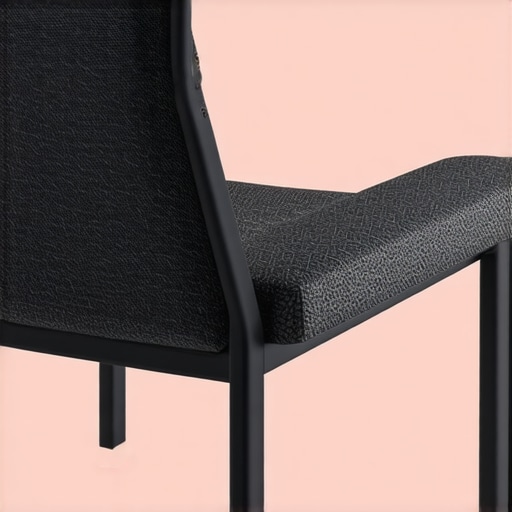
Incorporating smart materials like shape-memory alloys can further enhance longevity and functionality, allowing frames to adapt dynamically to usage stresses, reducing hardware fatigue, and prolonging the seat’s lifespan.
The Future Fabric of Luxury Seating: Merging Sustainability with Advanced Comfort
Innovations in eco-friendly upholstery materials, such as plant-based nano-fabrics infused with stain-resistant polymers, promise durability without ecological compromise. These materials resist scratches and stains, maintaining aesthetic appeal while supporting sustainability goals—a decisive factor for environmentally-conscious consumers seeking long-term value.
How Will Intelligent Seating Transform Personal Media Experiences?
The deployment of embedded sensors and AI-driven adjustment systems paves the way for seats that learn user preferences, automatically optimizing lumbar support, temperature, and recline angles. Integrating IoT connectivity ensures seamless control via smart home ecosystems, elevating comfort and user engagement to unprecedented levels. Industry reports, such as those from Tech Briefs, provide detailed insights into these transformative trends.
Discover the Next-Gen Home Theater Seating Solutions Today
Stay at the forefront of seating innovations by engaging with industry experts and exploring cutting-edge materials and engineering advancements. Whether upgrading your private theater or advising clients, understanding these sophisticated developments helps craft spaces that epitomize resilience, style, and technological sophistication. Subscribe to leading industry journals and participate in specialized forums to deepen your expertise and lead the transformation of luxury viewing experiences.
Expert Insights & Advanced Considerations
Prioritize Modular Design for Future Flexibility
Emphasizing modularity in seat design ensures ease of customization and maintenance, enabling seamless upgrades that extend product lifespan and adapt to evolving technology trends.
Leverage Nanotechnology for Enhanced Durability
Incorporating nanocoatings on fabrics and metal frames creates surfaces resistant to stains, scratches, and wear, significantly prolonging the aesthetic and structural integrity of high-end theater seats.
Integrate Smart Material Innovations for Resilience
Utilizing shape-memory alloys in frame components allows seats to adapt dynamically to usage stresses, reducing fatigue and preventing deformation over time, thus maintaining premium quality standards.
Optimize Load Distribution Through Advanced Engineering
Refined computational modeling facilitates precise load balancing across complex geometries, enhancing safety, stability, and user comfort while minimizing material fatigue.
Explore Sustainable Material Sourcing for Green Manufacturing
Choosing recyclable and eco-friendly materials aligns with global sustainability goals, appealing to environmentally conscious consumers and reducing the carbon footprint of manufacturing processes.
Curated Expert Resources
- Materials & Design Journal: Offers in-depth research on advanced materials and engineering techniques crucial for durability and innovation in high-end seating.
- SAE International Publications: Provides authoritative insights into metallurgical treatments and impact-resistant alloys suitable for luxury furniture frames.
- IEEE Transactions on Consumer Electronics: Features cutting-edge studies on embedded electronics and IoT integration within furniture, vital for smart seating systems.
- U.S. Green Building Council: Outlines sustainability standards and eco-friendly practices impacting modern manufacturing decisions.
- Industry Reports from Tech Briefs: Highlights technological trends and future directions in smart materials and adaptive technologies for premium seating.
Final Perspective from the Industry Vanguard
Mastering the future of home theater seating involves a nuanced understanding of innovation, durability, and sustainability—particularly when integrating advanced materials like nano-fabrics and smart alloys into designs. The convergence of engineering excellence and eco-conscious practices elevates product resilience and aesthetic appeal, setting new industry standards. As professionals and enthusiasts, engaging deeply with these insights and sources empowers us to craft spaces that not only impress visually but also deliver enduring comfort and reliability. To stay at the forefront, consider participating in industry forums, accessing comprehensive expert guides, and continually enhancing your knowledge base regarding the latest advancements in premium seating technology. Your expertise can influence the next wave of excellence in home theater innovation.
More Details