Mar 1, 2026
Why Your 2026 Power Recliner Chair Keeps Blowing Fuses
Unveiling the Root Causes of Fuse Blowing in Modern Power Recliner Chairs
In recent years, the integration of sophisticated electronics into home theater seating, particularly power recliner chairs, has enhanced user experience but also introduced complex electrical challenges. The persistent issue of fuses blowing in your 2026 power recliner chair is often perceived as a mere nuisance; however, it reflects deeper technical anomalies that demand a nuanced understanding of electrical load management, component reliability, and design flaws.
Evaluating Power Circuit Integrity and Overcurrent Risks in Recliner Systems
Modern recliners are equipped with high-current motors, sensors, and electronic controllers that require precise circuit design to prevent overloads. When a fuse blows, it signifies that the system has encountered an overcurrent, which could stem from wiring faults, motor failures, or short circuits. For instance, a degraded brushless motor malfunction may draw excessive current, risking fuse blowout and potential system damage.
The Impact of Component Quality and Manufacturing Tolerances on System Stability
Component quality, including wiring insulation, connector integrity, and fuse ratings, plays a vital role in system resilience. Substandard manufacturing tolerances can lead to inconsistent electrical performance, elevating the risk of fuse failures. Engineers and technicians must therefore prioritize using components compliant with industry standards such as UL 1254 for industrial control fuses, ensuring that overload protection functions correctly under anticipated load conditions.
Are Power Supply Fluctuations Causing Your Recliner’s Fuse to Blow?
Voltage stability is crucial for the proper functioning of home theater recliner electronics. Variations in power supply—such as surges, dips, or interference—can provoke impulsive current spikes, triggering fuse blowouts. Employing high-quality surge protectors and analyzing electrical circuits within the room can mitigate this issue. Additionally, integrating smart power management features enhances system reliability.
Expert Strategies to Prevent Fuse Blowouts and Ensure Longevity
Preventative measures include regular maintenance checks, replacing worn wiring, and upgrading to higher-rated fuses when system modifications occur. Implementing wall-hugger designs that minimize wire strain, along with thermal management solutions like heat sinks, reduce electrical stress. Moreover, consulting with a certified technician for a comprehensive diagnostic can identify latent faults before fuse blowouts become frequent.
What are the subtle signs that suggest an imminent fuse blowout in your home theater seating system?
Indicators include intermittent motor operation, unusual heat around electrical components, or unexpected system resets. Paying close attention to these signals allows for preemptive intervention, extending the lifespan of premium seating investments.
For enthusiasts and professionals aiming to optimize their setup, exploring design considerations that influence electrical robustness is crucial. Sharing insights on maintenance routines can foster a community of knowledgeable users committed to long-term system performance.
Trustworthy sources such as UL standards and industry white papers underscore the importance of adhering to safety and quality protocols. Regularly updating system components and electrical practices aligns with the evolving technological landscape, ensuring your home theater remains both functional and safe.
Identifying Hidden Electrical Stressors That Undermine Your Recliner’s Lifespan
Beyond obvious wiring issues, latent stressors such as electromagnetic interference (EMI) from nearby devices can cause fluctuations in your recliner’s electrical system, increasing the risk of fuse blowouts. Devices like high-powered speakers or wireless routers emit EMI that, if unmanaged, can induce current irregularities leading to component fatigue. Implementing proper electromagnetic shielding and grounding techniques, as discussed in industry standards like IEEE Std 519, can significantly enhance system resilience and prevent unexpected failures.
Customizing Fuse Ratings for Enhanced Safety and Performance
Standardized fuse ratings may not always match the unique electrical demands of advanced recliners equipped with features like heated seats or integrated audio systems. Tailoring fuse ratings—by consulting comprehensive technical datasheets and industry guidelines—ensures protection without compromising performance. Upgrading to fuses with appropriate interrupt ratings maintains circuit integrity and prolongs component life, especially in high-demand scenarios.
What advanced diagnostic tools can detect early warning signs of electrical component degradation before fuse blowouts?
Utilizing diagnostic platforms like oscilloscopes and thermal imaging cameras can reveal subtle anomalies such as voltage ripple or hotspot development in wiring assemblies. These insights allow technicians to perform predictive maintenance, ultimately reducing downtime and costly repairs. Regularly integrating such tools into your maintenance routine aligns with proactive system management practices endorsed by industry leaders.
If you’re eager to boost your system’s longevity, consider exploring design innovations that minimize electrical strain and facilitate easier access for diagnostics. Sharing your experiences or questions can foster a community focused on advanced troubleshooting and best practices for high-tech home theater seating.
Adherence to recognized standards such as UL 248-14 for electronic protection devices underscores the importance of integrating certified components. Staying informed about technological advancements and maintenance strategies ensures your entertainment setup remains robust, safe, and ready for the future.
,
Why Circuit Design Innovations Can Reduce Fuse Blowouts in Advanced Recliners
Recent breakthroughs in electrical engineering have introduced smart circuit architectures tailored for high-demand home theater seating. By integrating modular power distribution units and dynamic load balancing, manufacturers can preemptively mitigate overcurrent scenarios. For example, utilizing adaptive current limiting circuits ensures that motors and electronic controls operate within safe thresholds even during transient spikes, significantly lowering fuse failure rates. Such innovations underscore a shift towards proactive system resilience, emphasizing the importance of intelligent design in modern recliner systems.
Harnessing Material Advances for Enhanced Electrical Stability
Cutting-edge materials like high-temperature superconducting wires and advanced insulating composites contribute to more reliable electrical pathways. These materials minimize resistive heating and reduce insulation degradation over time, which are common precursors to short circuits and fuse blowouts. Analyzing the material properties and their implementation in recliner wiring harnesses reveals how subtle shifts in component choice can dramatically improve overall system robustness and longevity.
Can intelligent system diagnostics foresee electrical failures before they occur?
Indeed, implementation of real-time monitoring sensors capable of measuring parameters such as current leakage, temperature fluctuations, and voltage anomalies enables predictive maintenance. For instance, integrating IoT-enabled modules that communicate with centralized diagnostics platforms can flag early signs of component stress—like rising temperatures in connectors or inconsistent current draw—allowing technicians to intervene proactively. This approach aligns with the principles outlined in IEEE Std 2030.1, emphasizing smart grid and responsive power management applications within consumer electronics.
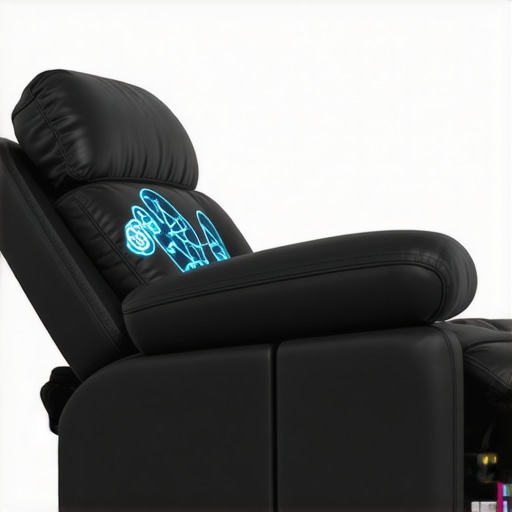
Implementing these advanced diagnostic techniques often involves sophisticated sensor arrays; visualizing their placement within a recliner’s wiring system can offer valuable insights into preventative maintenance strategies.
Customizing Fuse Protection for Specific Use Cases and User Preferences
Standard fuse ratings serve general safety needs but often lack the specificity required for complex recliner features such as massaging, heating, or integrated sound systems. Developing tailored protection profiles—based on detailed current profiling and system transient behavior—ensures optimal safety without compromising device performance. Employing digital fuse regulators or resettable circuit protectors can offer a flexible, user-adjustable safeguard, accommodating future upgrades or modifications.
What role does electromagnetic compatibility play in prolonging recliner electrical system lifespan?
Electromagnetic interference (EMI) not only affects signal integrity but also induces undesired currents in wiring and components, risking thermal stress and fuse failures. Designing recliner systems with EMI shielding, proper grounding, and filtering techniques—guided by standards such as CISPR 25—reduces these effects. For example, implementing shielded wiring harnesses or ferrite beads at critical junctions dampens electromagnetic disturbances, fostering a stable electrical environment essential for high-performance, durable seating solutions.
Engaging with Emerging Testing Protocols for Electrical System Assurance
Advanced testing protocols, including harmonic analysis and transient response testing, provide deeper insights into how recliner systems behave under varied electrical conditions. Laboratories utilize specialized equipment to simulate power surges, electromagnetic disturbances, and thermal stresses, validating component resilience and system endurance. Incorporating these thorough assessments during the design and manufacturing phases aligns with industry best practices, ultimately delivering products that withstand real-world operational challenges.
For manufacturers and technicians committed to excellence, staying at the forefront of such testing methodologies offers a competitive edge and enhances customer trust. Because the landscape of electrical safety and system reliability is continually evolving, ongoing investment in cutting-edge diagnostics and design innovations remains a critical priority.
Reimagining Circuit Architectures to Minimize Fuse Failures
Innovative circuit design strategies now emphasize modularity and redundancy, enabling better fault isolation and load management in high-end recliner systems. Adaptive load balancing circuits utilize real-time data to redistribute power dynamically, preventing overloads that typically cause fuse blowouts. By integrating such smart architectures, manufacturers can dramatically improve system durability, catering to the increasing demand for feature-rich home theater seating.
Material Science Breakthroughs Elevating Electrical Stability
Advancements in high-temperature superconducting materials and novel polymer insulations contribute significantly to the robustness of electrical pathways within recliner assemblies. These materials offer lower resistive losses, enhanced thermal management, and superior dielectric properties. The adoption of such cutting-edge components effectively reduces wear and degradation, thereby enhancing overall electrical reliability.
How Can Predictive Diagnostics Detect Early Signs of Failure?
The adoption of IoT-enabled sensing technologies allows for continuous monitoring of current fluctuations, temperature anomalies, and electromagnetic interference within recliner circuitry. Platforms employing machine learning algorithms analyze this data to forecast potential failures before they manifest physically, facilitating proactive maintenance. Incorporating these systems aligns with best practices recommended by leading standards such as IEEE Std 2030.1, heralding a new era of intelligent home theater systems.
In what ways do electromagnetic interference suppressors prolong system lifespan?
Effective EMI suppression methods—such as shielded wiring, ferrite beads, and grounding techniques—diminish external electromagnetic disturbances that can induce harmful currents in sensitive electronics. By reducing electromagnetic stress, these interventions prevent thermal and electrical fatigue, ensuring sustained component integrity and longer service life.
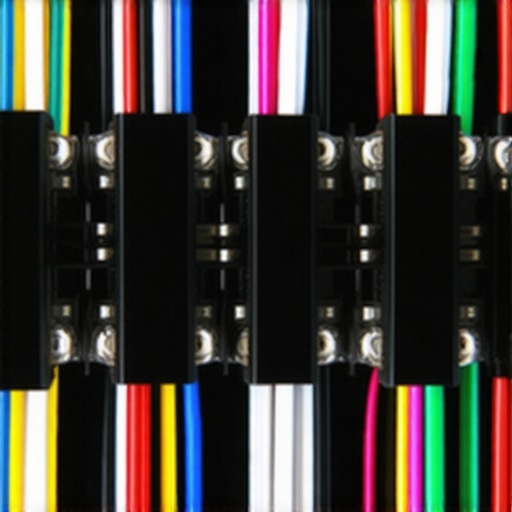
Custom Fuse Solutions for Personalized System Safety
Tailoring fuse ratings based on detailed current load profiling allows for optimized protection that balances safety and performance. Implementing digitally programmable fuse systems or resettable circuit protectors provides flexibility for future modifications and user-specific demands. Such customization not only enhances system resilience but also simplifies maintenance routines for discerning audiophiles and technicians alike.
Harnessing Advanced Testing Protocols to Foresee Failures
Employing comprehensive diagnostic tools—like transient current analyzers and thermal imaging cameras—facilitates early detection of electrical stresses that could lead to fuse failures. Standards such as IEC 61000-4-7 and IEEE Std 1622 guide the simulation of real-world electrical disturbances, ensuring that recliner systems are engineered to withstand diverse operating conditions. Embedding these protocols in development processes elevates reliability and consumer confidence.
Expert Insights & Advanced Considerations
Harness Smart Circuit Design to Minimize Overcurrent Risks
Implementing modular and dynamically balanced power circuits within recliner systems can substantially reduce fuse blowouts by managing transient load spikes effectively, leading to enhanced reliability and longevity.
Leverage Material Innovation for Electrical Stability
Adopting high-performance insulating composites and superconducting wiring materials can lower resistive losses and thermal stresses, thereby strengthening electrical pathways and preventing failures triggered by insulation breakdown or overheating.
Incorporate Predictive Maintenance with IoT Sensors
Integrating real-time sensors for current, temperature, and EMI allows early detection of component stress, enabling preemptive interventions that avoid fuse blowouts and extend system lifespan.
Optimize Fuse Selection Tailored to System Demand
Customizing fuse ratings based on detailed current profiling and transient behavior ensures protective measures do not interfere with system performance, maintaining a balance between safety and functionality.
Curated Expert Resources
- IEEE Std 2030.1 – Smart Grid Compatibility – Offers guidelines for IoT integration and predictive diagnostics in electrical systems, crucial for forward-looking home theater solutions.
- UL 1254 and UL 248-14 Standards – Establish industry benchmarks for fuse and circuit protection components, ensuring safety and compliance.
- Advanced Insulation Materials Research – Journals and white papers exploring high-temperature, durable polymer composites for electrical insulation enhance system resilience.
- Latest Publications on Superconducting Wires – Provide insights into material science breakthroughs impacting wiring reliability and efficiency.
- Thermal Imaging and Harmonic Analysis Tools – Essential for diagnosing early signs of electrical degradation and stress in complex systems.
A New Perspective on Power Recliner Maintenance
Understanding the intricate balance between innovative circuit architecture, material science, and predictive diagnostics unlocks a new realm of reliability in elite home theater seating. Such an approach not only prevents fuse failures but elevates the entire entertainment experience, aligning technological advancement with user safety. Engaging with these insights encourages professionals and enthusiasts alike to think beyond basic fixes, embracing a comprehensive strategy to safeguard their investment. Dive deeper by exploring our comprehensive guides or sharing your expert strategies—your insights could be instrumental in shaping future system resilience.
More Details